- Unique turn-based combat
- Stunning pixel art visuals
- Great and emotional story
- Amazing music and soundtrack
- Story is cliché and weak
- Gameplay is repetitive
Emotions
Archetypes
What players like:
Common complaints:
Gameplay feedback:
Performance notes:
Recommendations:
Other player notes:
- -
No data available
Similar games
Blend with other games





Review evidence
Why players say this
Review evidence
Why players say this
Steam review verdict
Despite a cliché story and repetitive gameplay, this game impresses with unique turn-based combat, stunning pixel art, and an amazing soundtrack.
What players like
Unique turn-based combat: The turn-based combat is praised as unique, simultaneous, and strategic, blending tactical depth with real-time elements and bullet hell mechanics.
Stunning pixel art visuals: The pixel art is consistently praised as beautiful, vivid, and well-crafted, adding artistic value and atmosphere to the game.
Great and emotional story: The story is described as great, well-written, and emotionally impactful, with a revenge theme that keeps players engaged.
Amazing music and soundtrack: The music and soundtrack are consistently praised as amazing, incredible, and memorable, with standout tracks adding to the experience.
Excellent value for price: Players feel the game offers great value for its price, often saying it is worth full price or more.
Common complaints
Story is cliché and weak: The narrative is frequently criticized as cliché, particularly the revenge-driven plot, and players note it lacks innovation or memorable moments.
Skill tree is unimpressive: The skill tree contains mostly generic, uninspired skills, and there is no option to reset points, making experimentation impossible.
Gameplay is repetitive: The gameplay becomes boring and repetitive after a while, with a loop of traveling, talking, and fighting that lacks variety.
Game is too short: The game is very short, around 12 hours, and many players express a desire for more content and a longer experience.
False dialogue choices: Dialogue choices often have no real impact on the story, making them feel meaningless and undermining player agency.
Gameplay and performance
Innovative turn-based combat: Players praise the unique turn-based combat system that blends real-time movement, bullet trajectory foresight, and strategic planning. The system is described as dynamic, puzzle-like, and offering new strategic possibilities.
Unique gameplay blend: The game combines turn-based strategy with real-time elements, bullet hell, and tactical positioning, creating an original and engaging experience that evolves as you play.
Tactical combat depth: Combat is tactical, requiring careful positioning and risk/reward thinking. The blend of turn-based and real-time elements, along with bullet hell mechanics, creates a unique challenge.
Simultaneous turn-based actions: Combat often involves simultaneous actions between player and enemies, encouraging risk/reward thinking. This system is compared to bullet hell with pause mechanics.
Meaningful player choices: Player choices have significant weight, affecting the story, side quests, combat mechanics, and character interactions. The guilt system further ties moral decisions to gameplay outcomes and endings.
Lag despite pixel art: A player experiences unexplained lag despite the game's simple pixel art style, suggesting poor optimization.
Memory issues persist: Memory issues persist even after toggling full-screen to windowed mode, indicating a deeper optimization problem.
Black screen bugs: Bugs cause black screens and event disappearance, hindering progression and user experience.
Long loading times: Loading times are excessively long for a pixel art game with low system requirements, frustrating players.
Crashes on final boss: One player encounters a crash specifically during the secret final boss fight, disrupting completion of the game.
Recommendations
Highly recommended overall: Numerous reviewers strongly recommend the game, praising it as excellent, wholeheartedly, or a must-buy regardless of price. This is the most frequent and emphatic sentiment across the feedback.
Worth the price: Many players affirm that the game is worth the purchase, either at full price or on sale. They consider it a good value and worth every cent.
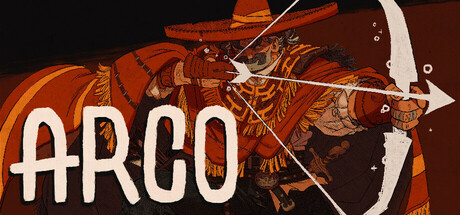
Specific game endorsement: Several reviewers specifically mention the game 'Arco' by name and give a definite yes or recommendation to get it and play it. This shows strong targeted endorsement.
Demo recommended first: Several players recommend trying the demo before buying, noting that progress carries over. This suggests uncertainty but a positive outcome from the trial.
Mixed replayability: Multiple reviews mention the game has low replayability or that it's worth replaying for alternate endings or achievements. The need for multiple playthroughs is acknowledged.
Buying context
Community fair range: $10.00 - $15.00.
Game completion: 20.0h.
Story completion: 10.0h.
Arco presents a steep learning curve for its unique combat system, causing early frustration, but players consistently report that the game becomes deeply enjoyable once they master the mechanics, typically after a few hours of play.
Friction: steep learning curve for combat; unclear that movement and attack require aiming; tedious tutorial length; UI flaws that initially distract.
Unlock drivers: learning the combat system mechanics; understanding movement and aiming; experimentation and replaying early game; combat system 'clicks' for the player.
Player profiles
Tactical Strategy Enthusiast: Methodical, puzzle-solving, optimizing synergies and movement. Motivation: Fresh, challenging tactical combat with unique mechanics. Stance: buy.
Art & Atmosphere Devotee: Exploratory, immersive, driven by visuals and sound. Motivation: Enjoyment of the pixel art style, soundtrack, and atmospheric world. Stance: buy.
Casual Relaxed Player: Laid-back, low-stress, preferring mouse-only controls and short play bursts. Motivation: A cozy, relaxing experience that fits into short gaming sessions. Stance: sale.
Platform notes
Steam Deck: Arco is widely praised as an ideal Steam Deck title with quick combat and compelling story, but suffers from intermittent audio looping, a text rendering bug fixable via Proton, and rare crashes. Overall, experience is mostly seamless with minor technical friction.
Linux and Proton: User feedback indicates that Arco works very well on Linux via Proton or its native port. The only minor issue reported is a text rendering glitch in the native Linux build between acts, which is immediately resolved by switching to Proton. All other Linux/Steam Deck reviews report perfect performance and no compatibility friction.