- Weapon customization is a highlight
- Includes full TimeSplitters 2 port
- Story is interesting and compelling
- Open world like Far Cry
- Story lacks depth and engagement
- Gameplay is repetitive and boring
Emotions
Archetypes
Hardware
What players like:
Common complaints:
Gameplay feedback:
Performance notes:
Recommendations:
Other player notes:
Similar games
Blend with other games







Review evidence
Why players say this
Review evidence
Why players say this
Steam review verdict
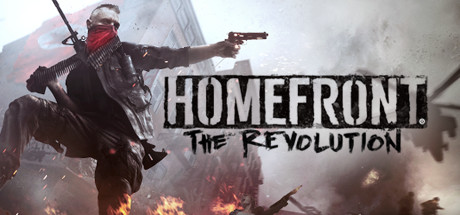
Weapon customization and TimeSplitters 2 port are highlights, but the open world's story lacks depth and gameplay is repetitive.
What players like
Weapon customization is a highlight: Many players praise the deep weapon customization system that allows modifying weapons into different types, such as turning a pistol into a shotgun or flamethrower. This system includes three variants per weapon and on-the-fly modding, adding significant value to gameplay.
Includes full TimeSplitters 2 port: The game includes a full HD port or remaster of TimeSplitters 2 as a bonus, often described as fantastic and a major reason to purchase. Some players note it is hidden as an easter egg or secret PC port.
Story is interesting and compelling: Multiple clusters highlight that the story is good, interesting, and compelling, with some describing it as brilliant or monumental. The premise is also praised as cool.
Open world like Far Cry: Players note the game offers a compelling open-world experience similar to Far Cry, with some considering it a decent clone or even better than recent entries like Far Cry 6.
Stealth gameplay is well done: Stealth mechanics are praised for being engaging and effective, with good takedowns and sections that appeal to stealth game fans.
Common complaints
Story lacks depth and engagement: Multiple clusters (1, 2, 8, 14, 25) highlight that the story is shallow, cliché, forgettable, and fails to engage players. The narrative is described as underdeveloped and lacking impact.
Gameplay is repetitive and boring: Clusters 3, 4, 13, 15, and 24 indicate that core gameplay, missions, and side content are monotonous and lack variety, with many calling it repetitive and tedious.
Side missions are repetitive: Clusters 4, 13, 15, and 24 specifically note that side missions feel copy-pasted and lack diversity, with many being fetch quests that fail to provide meaningful content.
AI is poorly implemented: Clusters 7, 9, and 26 emphasize that enemy and ally AI is stupid, unrealistic, and suffers from poor spawning mechanics, making combat encounters feel unfair or broken.
Characters are forgettable: Clusters 2 and 29 indicate that characters are not engaging, lack charisma, and are often seen as cliché or uninteresting, contributing to a weak narrative.
Gameplay and performance
Far Cry-like open world: The game is frequently compared to the Far Cry series, featuring similar open-world mechanics, first-person shooting, and a structure that blends exploration with mission-based gameplay.
Weapon customization with conversion: The game features a deep weapon customization system allowing players to modify and convert weapons on the fly, with each gun having multiple variants and the ability to switch between types like pistol to SMG.
Weapon modding in combat: Weapon customization can be done on the fly during combat, allowing for quick adaptation to different situations with limited but effective conversion options.
Open world with zone liberation: The open world is divided into zones with red and yellow areas, where players must capture bases and liberate sectors through guerrilla warfare, similar to Ubisoft-style mechanics.
Stealth and shooter hybrid: Gameplay blends stealth with frenetic first-person shooting, allowing players to use tactics like sneaking, urban guerrilla warfare, and open combat to approach objectives.
Significant FPS drops on various hardware: Multiple users report severe frame rate drops, with some experiencing drops to 35-40 FPS or even 4-5 FPS on systems like GTX 1060. These issues occur even on low settings, indicating widespread performance problems.
Smooth performance on some systems: A minority of users report smooth performance with no crashes, and some even achieve 60+ FPS on high settings without top-tier GPUs. This suggests performance varies by hardware or configuration.
Game freezes and requires restart: The game freezes and becomes unresponsive, often requiring a system restart. This crash-like behavior is reported by multiple players, highlighting a critical stability issue.
Persistent performance issues from launch: Performance problems, including stuttering and low FPS, have been present since the game's launch and continue to affect gameplay. This suggests that optimization efforts have not fully resolved core issues.
Crashes occur frequently: Reports of crashes happening every ten minutes or several times during play sessions. This indicates a recurring stability problem that disrupts the gaming experience.
Recommendations
Only buy on sale: Many reviewers strongly recommend purchasing the game only when it is heavily discounted, with suggestions to wait for a sale or buy at a low price like $10-20. They feel the full price is not justified.
Wait for steep discount: Reviewers consistently advise waiting for a deep sale, such as 85% off or 90% discount, before purchasing. They feel the game is entertaining only at a low price.
Good value at low price: Some find the game worth buying when it is cheap, praising it as good value for the price. They recommend it only during sales or at a deep discount.
Buy for TimeSplitters 2 port: Multiple reviews note that the hidden TimeSplitters 2 port is a highlight, while the main game is not recommended. It is suggested only for those interested in this bundled content.
Best on sale only: A consistent theme is to try the game on sale, as it is not recommended at full price. Reviewers suggest giving it a chance when discounted.
Buying context
Community fair range: $10.00 - $15.00.
Game completion: 25.0h.
Story completion: 14.0h.
The game starts with a confusing and repetitive structure, but becomes somewhat satisfying after a few hours through zone liberation and customization, only to then rapidly devolve into a monotonous loop; co-op provides a brief respite but is hard to access.
Friction: Repetitive side activities and mission structure; Initial learning curve and confusing open world mechanics; Technical issues (bugs, performance, freezes); Weak AI and poor matchmaking for co-op.
Unlock drivers: Mastering the zone liberation loop and customization system; Understanding the open world mechanics after tutorials; Playing co-op with a group of friends.
Player profiles
Tactical Stealth Operative: Methodical, cautious: uses environment for ambush, plans loadout and escape routes, relies on stealth and avoidance over firepower, always plays on hardest difficulty with minimal HUD. Motivation: To experience immersive, high-stakes tactical tension and rewarding planning under pressure. Stance: deep sale.
Co-op Buddy Seeker: Team-oriented, social: relies on friends to fill lobbies, plays co-op missions for shared progression and fun, avoids solo matchmaking. Motivation: To share tense, coordinated co-op missions with friends and build synergy. Stance: sale.
Story-Driven Open World Explorer: Explorative, objective-focused: moves through zones, completes map objectives, absorbs atmosphere and story, enjoys weapon customization as part of immersion. Motivation: To experience a compelling resistance narrative and explore a detailed occupied city with meaningful progression. Stance: sale.
Platform notes
Performance is generally positive across higher VRAM configurations, but the under-8GB VRAM cohort reports notable stability and thermal issues.
Windows <8GB VRAM: negative. Users with less than 8GB VRAM report erratic frame rates and excessive GPU heating, indicating poor performance.
Windows 8-11GB VRAM: positive. Users report smooth performance with stable high frame rates and no major issues.
Windows 12-15GB VRAM: positive. Players generally enjoy the game on this hardware, with only minor technical shortcomings mentioned.
Steam Deck: The game Homefront: The Revolution exhibits severe stability problems on Steam Deck due to random crashes and freezing, compounded by mandatory Ubisoft launcher and Denuvo DRM that require extra tinkering and cause performance degradation. While some users report playable experiences, the frequency of critical errors pushes the game out of 'tinkering required' into 'broken' territory.
Linux and Proton: The majority of user feedback shows that the game runs well on Linux/SteamOS with minimal issues. A single severe crash report exists, but both positive and negative reviews point to the same game, suggesting the crash may be isolated or caused by specific settings. The first review confirms a minor workaround is needed for the Timesplitters subgame, but the main game runs fine. Overall, the game is playable and performs well on Proton/Steam Deck with occasional need for extra steps.
Extra review signals
Monetization: audit: no predatory monetization evidence found; any cost complaints refer to base price or DLC value.
External guides: The primary complaint is that the game forces players to consult external guides (wikis) to discover hidden content, secrets, and complex traversal paths. This reflects a need for better in-game hints or discovery systems, rather than issues with farming, inventory management, or bugs.
Other review notes
Included TimeSplitters 2 as bonus: Players note that the game includes a bonus copy of TimeSplitters 2, either as a built-in feature or an extra.
Protagonist voice requires DLC: Players mention that an additional DLC is necessary to unlock the protagonist's voice, which may be seen as a limitation.
Development history background: Feedback provides historical context about the game's development, clarifying reasons behind certain design choices.
Contemporary game references: The review references Dead Rising 3 and Battlefield Hardline as similar titles from the same era, providing a frame of reference.
Hot joining in multiplayer: The multiplayer mode supports hot joining, allowing players to jump into ongoing matches without restarting.