- Highly enjoyable, robust open-world co-op mode.
- Fun and highly replayable overall experience.
- Beautiful, detailed open world, distinct Montana setting.
- Repetitive and shallow core gameplay loop.
- Weak narrative, characters, intrusive story progression.
- Significant technical instability, bugs, and poor AI.
Emotions
What players like:
Common complaints:
Gameplay feedback:
Performance notes:
Recommendations:
Other player notes:
Similar games
Blend with other games







Review evidence
Why players say this
Review evidence
Why players say this
What players like
Highly enjoyable co-op mode: The seamless and full co-op campaign is a major highlight, allowing players to experience the entire story and open world with a friend. This feature significantly amplifies the fun, chaos, and replayability, making it a standout aspect for many.
Highly fun and replayable: Players consistently praise the game for its immersive, fluid, and enjoyable gameplay experience, offering dozens of hours of fun both solo and with friends. Its high quality and engaging content make it difficult to get bored, encouraging repeated playthroughs.
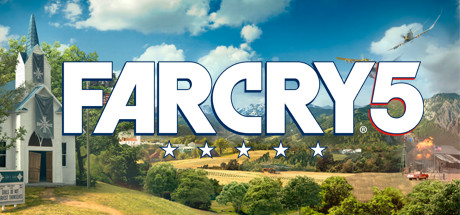
Beautiful, detailed open world: The game is lauded for its gorgeous, photorealistic graphics and meticulously detailed open world, particularly the depiction of rural Montana. Players appreciate the vibrant landscapes, excellent lighting, and overall atmosphere, which contribute to a highly immersive experience that holds up well over time.
Best in Far Cry series: Many players consider this game the pinnacle of the Far Cry franchise, often citing improvements over Far Cry 3 and 4, and being superior to Far Cry 6. It refines classic Far Cry elements while introducing innovations, making it a definitive modern entry.
Gripping narrative and strong characters: The story is consistently described as captivating, well-written, and emotionally impactful, featuring interesting plot twists and a non-linear progression. Characters, both allies and antagonists, are praised for their depth and memorable presence.
Common complaints
Repetitive & Shallow Gameplay: Many players found the core gameplay loop, mission structure, and open-world activities to be highly repetitive and lacking depth. This included endless fetch quests, generic tasks, and a general absence of innovation compared to previous entries, leading to boredom and a feeling of grind.
Weak Characters & Narrative: Players widely criticized the story for being confusing, illogical, and ultimately unengaging, often failing to live up to its potential. The silent protagonist lacked personality, making it hard to connect with the character, while antagonists were frequently described as poorly written, uncharismatic, and unmemorable, unlike previous series villains. The endings were also broadly considered disappointing and unsatisfying.
Intrusive Story Progression: A significant number of players were frustrated by the game's system of forced story progression, particularly the frequent and unavoidable kidnappings by antagonists. These events often interrupted gameplay, broke immersion, and took away player agency, regardless of their current activities.
Significant Technical Instability: The game is plagued by frequent crashes, long loading times, and persistent stuttering across various PC configurations, often making it difficult or impossible to play. Additionally, the mandatory Ubisoft Connect launcher introduced further issues, hindering game launches and overall user experience.
Poor AI & Excessive Spawns: The enemy AI was consistently criticized for being inconsistent, often too simplistic or bugged, leading to a lack of challenge and broken immersion. Frequent, random, and often instant enemy spawns, sometimes directly behind the player, created constant, tiresome encounters that hindered exploration and tactical gameplay.
Gameplay and performance
Robust open-world co-op.: The game is an open-world first-person shooter featuring a significant co-op component, allowing players to complete the entire campaign and side content with a friend. It offers freedom of exploration across diverse environments using various vehicles like cars, planes, helicopters, and boats. Gameplay supports both stealth and direct combat approaches, alongside activities such as clearing outposts and main/side quests.
Engage the Seed family cult.: Players assume the role of a deputy sheriff sent to arrest Joseph Seed, the charismatic leader of the apocalyptic 'Eden's Gate' cult in Hope County, Montana. The core conflict involves confronting Joseph and his three lieutenants (John, Faith, Jacob Seed), who control different regions and terrorize the population. The story explores themes of religious fanaticism, brainwashing, and resistance.
Region liberation progression.: Game progression is driven by accumulating 'resistance points' within three distinct regions, each controlled by a cult lieutenant. Players earn points by completing various tasks like liberating outposts, freeing hostages, destroying cult property, and side missions. Reaching specific resistance thresholds triggers main story missions, including forced abductions and boss encounters, eventually leading to the regional boss fight.
Variable story, moderate difficulty.: The game's story and characters are generally considered average but coherent, with some players finding the story less emphasized than gameplay. Playtime varies from 10-50 hours for the main story, extending with side content. Difficulty is customizable and widely perceived as easy to learn but potentially hard to master, depending on player settings and approach.
Diverse "Guns for Hire" allies.: The game features a "Guns for Hire" system, allowing players to recruit both human and animal companions, each with unique abilities. Notable allies include animal companions like Boomer (dog), Cheeseburger (bear), and Peaches (puma), as well as human specialists such as snipers, pilots, and pyromaniacs, providing tactical support in combat and exploration.
Good Overall Performance, Minor Bugs: Many players report the game is well-optimized, runs stably across various hardware (even budget systems), and maintains consistent framerates. While minor, specific bugs (like flying NPCs or cursor issues) are occasionally noted, they generally do not significantly detract from the experience.
Variable PC Hardware Requirements: There is divided feedback regarding the game's PC hardware demands; some users find it requires a powerful "gaming PC" for optimal settings, while others successfully run it on average or even low-spec machines. This suggests performance can vary widely depending on the desired graphical fidelity and specific system configuration.
Platform-Specific Performance Challenges: Performance varies significantly by platform and settings; the game requires optimization for Steam Deck and can struggle on low-end machines even at minimal settings. The level editor also exhibits notably worse performance than the base game, although users can adjust FOV to potentially improve framerates.
Recommendations
Highly recommended game: A vast majority of players enthusiastically recommend the game, praising its engaging action, chaotic open-world environment, and immersive atmosphere. Many consider it a strong, memorable, and often a favorite entry in the Far Cry series, appealing to both franchise veterans and newcomers.
Best value on sale: While widely recommended, a significant portion of the player base strongly advises purchasing the game during a sale or at a substantial discount. Many feel it offers excellent value at a reduced price, but may not be worth the full retail cost.
Co-op enhances experience: Numerous players emphasize that the game shines when played in co-op mode, stating it significantly boosts enjoyment and chaos. It is widely recommended for those looking for a more dynamic and fun experience with friends.
Mixed series standing: Far Cry 5 is seen as a solid open-world shooter, appealing to many as a typical or even best-in-series entry for its freedom and chaos. However, some players compare it unfavorably to older titles like Far Cry 3 or 4, indicating a divisive opinion on its place within the franchise.
Story and AI are weak: A notable segment of feedback points to the game's story as a significant weakness, describing it as underdeveloped, inconsistent, or frequently interrupting gameplay. Additionally, some players criticized the AI behavior as unrealistic and the overall open-world design as formulaic or repetitive.
Other review notes
Varied series perception: Far Cry 5 draws strong comparisons to previous titles, especially Far Cry 3 and 4, which are often seen as series benchmarks. Player opinion is divided, with some praising FC5 as a highlight and others criticizing its formulaic nature or perceived lack of innovation within the franchise. This indicates a strong desire for evolution and distinctiveness within the series.
FC6 series comparison: Far Cry 6 is frequently mentioned as a comparative title, highlighting its distinct Latin American setting, appreciated music, unique characters, and combat flexibility that allows for stealth. These comparisons provide context on how the series evolves and diverges, influencing expectations for future installments.
Diverse player engagement: Far Cry 5 sees varied player engagement, from short playthroughs to extensive 100% completions across multiple difficulties and replays, often for achievements. Co-op and DLC interest is mixed, with DLC frequently valued primarily for extending achievement hunting rather than its core content. This highlights a flexible but often completionist player base.
Criticized Ubisoft formula: Ubisoft faces significant criticism for its perceived 'formulaic' open-world design, concerns about microtransactions, and alleged incompetence in development and customer care. While some appreciate sales, many express a strong desire for Ubisoft to innovate and care more deeply for its games and players, rather than replicating past successes.
Dark cult narrative: The game's narrative centers on dark themes of religious extremism and cults, set against a plausible rural American backdrop in Montana. It engages with socio-political tropes, though some reviewers feel the story is carelessly constructed or that player choices have minimal impact on the outcome. This aspect is central to the game's identity and appeal.