- Immersive and detailed world design captivates players
- Addictive loot and progression system enhances gameplay
- Tactical and satisfying combat mechanics
- Strong co-op and multiplayer experience
- Weak and forgettable storytelling disappoints
- Repetitive and grindy campaign frustrates players
Emotions
What players like:
Common complaints:
Gameplay feedback:
Performance notes:
Recommendations:
Other player notes:
Similar games
Blend with other games



Review evidence
Why players say this
Review evidence
Why players say this
What players like
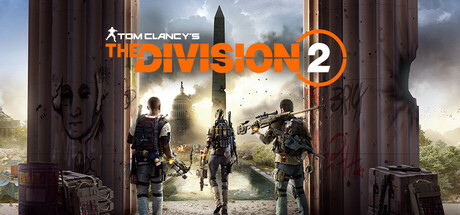
Immersive and detailed world design: Players consistently praise the game's world-building, highlighting its immersive environments, detailed open-world design, and atmospheric elements like dynamic weather and sound. The post-apocalyptic Washington D.C. setting is frequently noted for its realism and attention to detail.
Addictive loot and progression system: The game's progression and customization systems are highly engaging, with players emphasizing the depth of loot grinding, build variety, and rewarding upgrade paths. The system encourages long-term play and replayability through diverse playstyles and gear optimization.
Tactical and satisfying combat: The game blends RPG, tactical shooting, and cover-based mechanics effectively, with players praising the responsive gunplay, strategic depth, and variety of weapons/builds. The combat system is often described as one of the best in third-person shooters.
Strong co-op and multiplayer experience: Cooperative gameplay is a standout feature, with players highlighting its strategic depth, smooth matchmaking, and ability to accommodate both solo and group play. The multiplayer experience is praised for fostering teamwork and offering memorable moments.
Abundant and varied content: The game offers hundreds of hours of content, including main missions, side quests, PvE/PvP modes, and endgame activities like raids and seasonal events. Players appreciate the variety and replayability, especially in post-level 40 gameplay.
Common complaints
Weak and forgettable storytelling: The story is criticized for being generic, shallow, and poorly delivered, with unmemorable characters and fragmented narrative structure. Players find it hard to follow or care about the plot.
Repetitive and grindy campaign: The campaign suffers from repetitive missions, fragmented storytelling, and a lack of engaging content, particularly in late-game and endgame phases. Players report a stale, grindy experience with poor replayability.
Bullet-sponge enemies and poor AI: Enemies are overly tanky, especially on higher difficulties, leading to frustration and ammo depletion. AI is inconsistent, with enemies either being too passive or unfairly aggressive.
Frequent crashes and server issues: The game is plagued by frequent crashes, server disconnections, and instability, making it unplayable for some users. Technical issues disrupt both single-player and multiplayer experiences.
Unbalanced and toxic PvP/Dark Zone: PvP modes, particularly the Dark Zone, are criticized for being unbalanced, toxic, and plagued by cheaters. Solo players struggle with unfair matchmaking and griefing.
Gameplay and performance
Loot-Driven Progression System: Character progression is heavily tied to loot collection, gear customization, and skill unlocks. The grind-based system includes gear sets, exotics, and stat-focused builds, driving replayability.
PvE and PvP Hybrid Modes: The game offers distinct PvE (missions, raids) and PvP (Dark Zone, Conflict) modes, with hybrid PvPvE zones like the Dark Zone adding high-risk, high-reward loot opportunities.
Story Missions and Side Content: The campaign and side missions drive narrative engagement, though some tasks are repetitive. Heroic/Legendary difficulties and seasonal activities extend replayability.
Open-World Exploration: A post-apocalyptic open world (e.g., Washington D.C., New York) encourages exploration with hidden loot, control points, and environmental storytelling. Players enjoy the freedom and collectibles.
Crafting and Gear Optimization: A robust crafting system allows players to refine gear, stats, and builds. Proficiency/Expertise systems further incentivize min-maxing for optimal performance in PvE/PvP.
Mixed hardware optimization: While the game runs well on low-to-high-end hardware (e.g., GTX 1030 to RTX 4080), some players report FPS drops, stuttering, or performance issues at higher resolutions (e.g., WQHD). DirectX 12 improves stability for some.
Input and peripheral issues: High-refresh-rate mice (e.g., 1000Hz) cause sensitivity problems, requiring users to lower polling rates. Some crashes are linked to input method compatibility.
Smooth gameplay on supported systems: Players with compatible hardware (e.g., RX 7900XTX, Linux Manjaro) report flawless performance, high FPS (e.g., 120 FPS), and smooth mechanics, particularly post-fix.
High system requirements: The game demands significant hard drive space and a fast CPU/GPU, which may limit accessibility for players with older or low-spec systems.
Loading and texture issues: Some players experience slow loading screens or missing textures, though these issues are less frequent than crashes or server problems.
Recommendations
Strong recommendation for genre fans: The game is highly recommended for fans of looter shooters, tactical shooters, and action RPGs, particularly those who enjoy cooperative gameplay, deep build customization, and long-term progression. Many reviews emphasize its value for genre enthusiasts.
Scalable for solo or co-op play: The game is praised for its flexibility, allowing players to enjoy it solo or with friends. Co-op play is particularly recommended for long-term enjoyment and teamwork.
Best purchased on sale: The consensus is that the game offers the best value when bought at a discounted price, especially due to its age and potential for boredom or technical issues. Full price is rarely justified.
Ultimate Edition worth it on sale: The Ultimate Edition is frequently recommended for its additional content, but only when purchased at a reduced price (e.g., $20–$30). It is seen as a good deal for genre veterans.
DLCs enhance full experience: The WoNY expansion and other DLCs are recommended for completing the story and progression, but the Brooklyn DLC is advised to be bought only at a discount.
Other review notes
Strong post-launch support desired: Players frequently mention the need for continued developer support and content updates after launch. This includes bug fixes, new features, and expansions to maintain engagement.
Always-online servers disliked: The requirement for constant online connectivity to first-party servers is a major pain point. Players prefer offline or hybrid options to avoid disruptions.
LAN co-op adaptation requested: Many players suggest adding drop-in, drop-out co-op via LAN, which would enhance multiplayer flexibility and reduce dependency on online servers.
Ubisoft Connect mandatory and intrusive: Players dislike the mandatory use of Ubisoft Connect, finding it obnoxious or unnecessary for the gaming experience.
Declining developer testing culture: Players perceive a decline in the quality of developer testing, leading to more bugs and unfinished features at launch.