- Unique time loop core mechanic
- Beautiful art style and discovery
- Engaging fantastical story experience
- Inadequate guidance and clarity
- Poor story presentation and writing
- Softlocks and progression blocking bugs

Emotions
Archetypes
What players like:
Common complaints:
Gameplay feedback:
Performance notes:
Recommendations:
Other player notes:
Similar games
Blend with other games


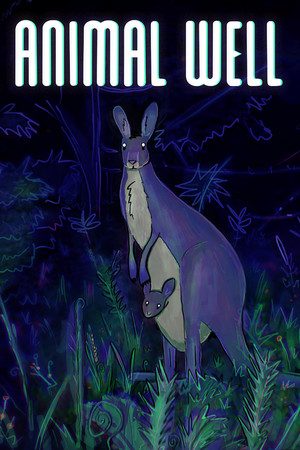
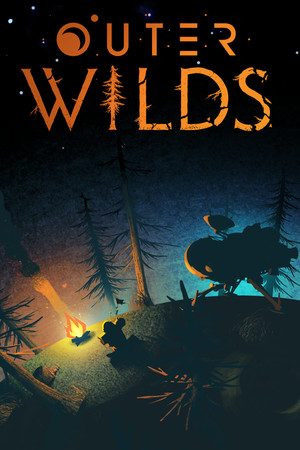

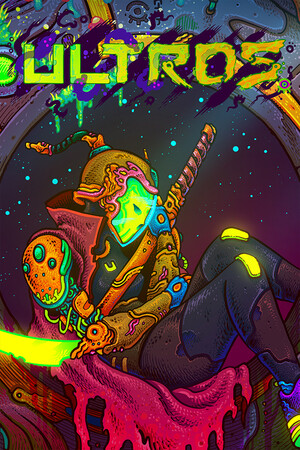


Review evidence
Why players say this
Review evidence
Why players say this
Steam review verdict
Its unique time-loop mechanic, gorgeous art, and fantastical discovery shine, but vague guidance, weak story presentation, and progression-blocking softlocks drag it down.
What players like
Unique and creative mechanics: Players consistently highlight the game's inventive and clever mechanics, particularly the unique approach to navigating the world. Many describe the game as interesting and creative.
Abilities available from start: Players note that all abilities are unlocked from the beginning, but their use must be discovered through experimentation and learning. This design choice is central to the game's knowledge-based progression.
Beautiful art style: The game's art style is widely praised as gorgeous and enjoyable, contributing significantly to the overall experience. Reviewers frequently mention the visual appeal.
Strong sense of discovery: Exploration and making new discoveries are highlighted as top-notch, with every discovery feeling rewarding. The game successfully captures the joy of uncovering secrets.
Engaging and fantastic story: The narrative is described as intriguing, fantastic, and engaging, though one reviewer notes it is interesting only up to a point. Overall, the story is a strong positive for many players.
Common complaints
Inadequate guidance and clarity: The game often fails to provide clear direction, leaving players stuck and forcing guide lookups. Poor communication of abilities and vague clues make progression frustrating.
Poor story presentation and writing: The story is often confusing, poorly explained, and immaturely written, with cringe dialogue and abstract plots. Many reviewers find it unengaging and hard to follow.
Softlocks and progression-blocking bugs: Bugs can cause softlocks, trapping players in walls or blocking progress after events, sometimes wiping quest progress. These issues range from occasional to frequent.
Clunky controls and input issues: Controls feel imperfect, with clunky handling, dropped inputs, and controller drift issues that affect jump feel and precision. Input problems make wall jumps and consecutive jumps difficult.
Easy to sequence break: Players can easily break sequence order, causing confusion and unintended progression. Accidental discoveries and poorly placed interaction points contribute to this issue.
Gameplay and performance
Time loop core mechanic: The game is built around a time loop system with timed runs that reset every few minutes. Players must use knowledge gained across loops to progress.
Metroidbrainia genre blend: The game blends Metroidvania exploration with knowledge-based progression, often called a 'metroidbrainia'. It features a non-linear world gated by information rather than items.
Knowledge-based progression: Progression is gated by player knowledge and understanding rather than items or abilities. Elements present from the start are understood over time.
All abilities available from start: Every ability is unlocked from the beginning, but players do not initially know how to use or access them. Discovery comes through experimentation and learning.
Minimal combat: Combat is not a major focus, with very little enemy fighting or boss encounters. The game emphasizes exploration and puzzles over combat.
Minor launch bugs mostly fixed: Players report a handful of bugs at launch, but developers patched most of them within a week. Feedback notes the issues were never game-breaking.
Input and camera control issues: Specific bugs include a single key press triggering two commands and the camera being too slow at times. Players also report soft locks in the environment and dialogues that loop without an exit.
Runs well on old hardware: One reviewer reports the game ran amazingly on an old PC, indicating solid performance optimization.
Recommendations
Appeals to Outer Wilds Fans: Reviewers consistently recommend the game to players who enjoyed Outer Wilds, highlighting similar knowledge-based progression and exploration. Fans of Outer Wilds are likely to appreciate this game's time-loop and discovery mechanics.
Recommended for Metroidvania Fans: Many reviewers recommend the game to fans of metroidvanias, especially those who enjoy unique twists on the genre. It is frequently described as a must-play for metroidvania enthusiasts seeking something different.
Go in Blind for Best Experience: Many reviewers advise playing with as little prior knowledge as possible, avoiding guides or streams. Figuring out the game's secrets yourself is emphasized as key to enjoyment.
Strong Overall Recommendation: Numerous reviewers give the game a high recommendation without reservations, using phrases like 'highly recommended' and 'can't recommend it enough.' The positive sentiment is widespread and emphatic.
Time Loop Mechanics Appeal: The time loop element is frequently mentioned as a major draw for players who enjoy iterative puzzle-solving and route optimization. It is recommended for those who like repetition with progression.
Buying context
Community fair range: $15.00 - $25.00.
Game completion: 10.0h.
Story completion: 13.0h.
Session length: 7.0h.
Endgame: 16.0h.
Reviewers generally present the game as fun immediately, with smooth platforming and satisfying knowledge-based progression carrying the experience from the start. A prologue/tutorial hurdle and some late-game repetition appear in isolated reports, but no consistent later unlock point is established.
Friction: The prologue/tutorial can make players doubt whether they will stick with the game.; Discovering hidden mechanics out of the intended order can make progression confusing.; Progression-critical doors or points can blend into the background.; Time-loop resets require repeated traversal before reaching a chosen task..
Player profiles
Knowledge-Seeker Metroid Brainia Explorer: Explores carefully, pieces together clues, avoids spoilers, and compares the design to other knowledge-driven metroidvanias. Motivation: Uncovering the game's hidden rules and secrets through knowledge gates and going in blind. Stance: buy.
Time-Loop Route Optimizer: Replays runs, memorizes shortcuts, optimizes movement and puzzle order, and chases first-cycle or speedrun achievements. Motivation: Mastering routes and shaving time through repeated loops and foreknowledge. Stance: buy.
Casual Puzzler With Low Tolerance for Reset Friction: Plays at a casual pace, relies on tutorials and map guidance, and gets frustrated by forced reruns and ambiguous objectives. Motivation: Looking for an approachable puzzle experience but wanting clearer guidance and less repeated traversal. Stance: no buy.
Platform notes
Linux and Proton: The available feedback is limited but positive for Linux/SteamOS compatibility. One user reports the game worked flawlessly on Steam Deck, and another reports playing on both PC and Steam Deck without any Linux-specific issues. No Proton tweaks, crashes, launch failures, anti-cheat blockers, or workarounds are mentioned.
Other review notes
Outer Wilds comparison dominant: Almost all comparisons center on Outer Wilds, especially its time loop and knowledge-based progression. Many reviewers describe the game as an homage or spiritual successor.
Tunic and knowledge-gated inspiration: The game is frequently compared to Tunic for its knowledge-gated mechanics, where acquiring knowledge is the key tool. Several reviewers note structural similarities to Tunic's approach.
Active and responsive developers: The developers are praised for frequent updates, quick bug fixes, and active engagement on Steam forums. They are seen as caring about player experience and responsive to feedback.
Short completion time: The game can be finished in around 6 hours, with a true ending taking roughly 13 hours and 100% completion around 15-16 hours. Length is considered good and does not overstay its welcome.
Knowledge-based progression praised: The game presents everything needed from the start without explaining how to use it, and progression is driven by player knowledge. This design is compared favorably to Outer Wilds and Tunic.