- Incredible soundtrack and immersive sound design.
- Visually stunning and unique psychedelic art style.
- Innovative Metroidvania with unique gardening mechanics.
- Tedious, punishing loop mechanic frustrates players.
- Unsatisfying and easy combat system.
- Confusing, uninspired level design and poor visual clarity.

What players like:
Common complaints:
Gameplay feedback:
Performance notes:
Recommendations:
Other player notes:
Similar games
Blend with other games






Review evidence
Why players say this
Review evidence
Why players say this
What players like
Incredible soundtrack and sound design: The game boasts an incredible soundtrack and sound design that enhances the overall atmosphere. Reviewers highlight the music's ability to create a sense of immersion and complement the game's unique visual style, with some tracks being particularly memorable.
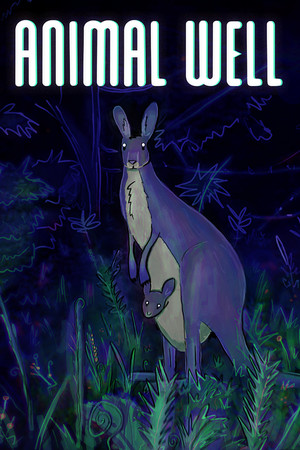
Visually stunning psychedelic art style: The game features a striking and unique psychedelic art style, often drawing comparisons to artists like Moebius and Métal hurlant. This visual style is consistently praised as a major highlight, creating a captivating and immersive experience.
Innovative Metroidvania with unique mechanics: The game is a unique and innovative take on the Metroidvania genre, with some roguelike elements. It emphasizes exploration, intricate map design, and a sense of discovery as players uncover the world's secrets.
Unique and engaging gardening mechanic: The gardening mechanic is a standout feature, allowing players to manipulate the environment, solve puzzles, and create new pathways. This system adds depth to the exploration and provides creative solutions for progression.
Fluid combat with strategic depth: The combat system is fluid and responsive, encouraging strategic thinking and varied attacks. While the difficulty is generally moderate, the game offers options for both challenging encounters and pacifist approaches.
Common complaints
Unsatisfying, easy combat system: Many reviewers found the combat system to be a weak point, citing issues such as clunky controls, lack of challenge, repetitive enemy behavior, and limited variety in attacks and enemy types. Some felt the upgrade tree was wasted because enemies weren't challenging enough to require advanced skills. The combat is often described as easy, trivial, and not a central focus of the game.
Tedious, punishing loop mechanic: The game's core loop mechanic, involving reincarnation or time loops, is widely criticized for resetting player progress, including skills, abilities, and items. This leads to repetitive backtracking, re-earning abilities, and a diminished sense of progression. Some reviewers found this mechanic tedious, frustrating, and ultimately discouraging.
Clunky, unresponsive controls: Several reviewers reported issues with the game's controls, describing them as unresponsive, clunky, and unrefined. Some specifically mentioned problems with keyboard controls, recommending a controller instead. This makes actions like jumping, attacking, and rolling feel awkward.
Confusing, uninspired level design: Reviewers frequently mention poor level design, confusing layouts, and a lack of clear direction, making exploration tedious and frustrating. Areas often look too similar, making it difficult to remember locations and navigate without constant reliance on the map. The game lacks sufficient guidance, leaving players unsure of where to go or what to do next.
Poor visual clarity/eye strain: The game's visuals, while initially appealing, suffer from excessive detail, unclear foreground/background distinction, and an overly vibrant color palette, leading to eye strain, difficulty in navigation, and an inability to focus on key elements. This makes it hard to distinguish interactive elements and enemies from the background. Some reviewers found the art style to be ugly and lacking understanding of color palettes.
Gameplay and performance
Gardening-based Metroidvania puzzle gameplay: The game uniquely blends Metroidvania elements with gardening and puzzle mechanics. Players strategically plant and manipulate plants with unique abilities to solve environmental puzzles, unlock new areas, and progress through the game. This system emphasizes exploration, discovery, and non-violent interaction with the environment.
Simplistic combat, puzzle-focused gameplay: The game's combat is generally considered simplistic and easy, with a focus on methodical play and puzzle-solving rather than challenging encounters. While some depth is added through combo mechanics and varied attacks that influence loot quality, combat is often a secondary focus compared to exploration and environmental manipulation.
Skills unlocked by consuming nutrients: Players unlock skills through a unique system of consuming nutrients obtained from enemies and fruits. The quality and type of nutrients depend on the player's combat approach, encouraging varied and efficient combat. This system adds a strategic layer to both combat and character progression.
Detailed, evolving world map: The game features a detailed and interconnected map that encourages exploration and discovery. The world evolves as plants grow and animals create new fertile patches, changing the explorable environment. The map retains information about previously visited locations, and persistent changes can be made to the world.
Story lacks depth: The story complements the game's theme and graphics but lacks depth, featuring short and basic cutscenes without voice acting. Each zone has a unique gameplay gimmick, but some are poorly implemented and detract from the experience.
Generally solid technical performance: The game's technical performance is generally solid, with many players reporting a lack of significant bugs or crashes. However, some players have encountered minor bugs that, while not game-breaking, can be annoying.
Tedious loading times: The game suffers from frequent and noticeable loading times, especially when transitioning between small rooms or map sections. This negatively impacts the flow of exploration and can become tedious, particularly when backtracking.
Poor performance on some PCs: Some players have reported poor performance, including unstable frame rates and the need to disable post-processing effects to maintain playable performance. Additionally, some players have encountered game-breaking bugs that require a reset.
Runs well on Steam Deck: The game runs well on the Steam Deck, indicating good optimization for that platform.
Frame limiter activates late: The frame limiter only activates once the player is in the game, which may cause issues in menus or other pre-gameplay sections.
Recommendations
Conditional Metroidvania recommendation: Many reviewers offer a conditional recommendation, suggesting the game is worthwhile for fans of Metroidvanias, especially those seeking a unique or experimental experience. However, some caution that it may not appeal to those expecting a traditional Metroidvania with steady progression or challenging combat. Some reviewers suggest trying the demo or waiting for a sale.
Strong art style, flawed gameplay: The game's unique art style, atmosphere, and music are frequently praised as highlights, making it worth experiencing for some players. However, others find the gameplay, combat, and overall design to be flawed, tedious, and frustrating, detracting from the artistic merits. Some suggest that only patient players who appreciate the aesthetics will enjoy the game.
Strongly positive, high scores: Some reviewers express strong positive sentiment, giving the game high scores and praising its overall experience. However, these points lack specific details about what makes the game enjoyable, reducing their constructiveness. The high scores suggest a positive experience for some, but without specifics, it's difficult to understand why.
Compared to other Metroidvanias: The game is compared to other Metroidvania titles like Hollow Knight, Prince of Persia, and Castlevania, suggesting it shares elements with these games. However, some reviewers caution that it may not be a pure Metroidvania experience, especially for those prioritizing excellent gameplay in that genre. This highlights the game's potential appeal to fans of specific games and genres.
Endgame tedium, initial hours better: Several reviewers suggest that the initial hours of the game provide a different experience than the endgame. Some recommend playing through the first ending but advise against pursuing the true ending due to tedious tasks. This suggests a potential pacing or design issue that impacts the overall enjoyment of the game.
Other review notes
Unique psychedelic style and narrative: The game features a unique, psychedelic art style and cryptic narrative set within a bizarre, organic spaceship environment. Players awaken with amnesia and must unravel the mysteries of their surroundings and the cosmic entities within, leading to an unusual and thought-provoking experience.
Low completion/achievement rates: A very low percentage of players have completed the game or even unlocked early achievements. This suggests a high level of difficulty, lack of player engagement, or potential issues with game progression, but could also be a sign of review bombing if the game is being deliberately marked down.
Genre and progression are debated: Reviewers are unsure of the game's genre, with some considering it a 'casual metroidvania'. This ambiguity contributes to the game's uniqueness but may also confuse players about its core mechanics and progression.
Repetitive soundtrack: The game's soundtrack is initially enjoyable but becomes repetitive after extended play. This suggests a need for more variety or dynamic elements in the music to maintain player interest throughout the game.
Map completion requires guide: One reviewer purchased a guide to help with 100% map completion, including locations of collectibles and basic connection strategies. This suggests that the game may have a large map with many collectibles that are difficult to find without assistance.