- Stunning visuals and unique art style.
- Immersive sound and strong atmosphere.
- Engaging story with philosophical elements.
- Good performance on various hardware.
- Technical issues and noticeable bugs.
- Short playtime with limited content.
What players like:
Common complaints:
Gameplay feedback:
Performance notes:
Recommendations:
Other player notes:
Similar games
Blend with other games




Review evidence
Why players say this
Review evidence
Why players say this
What players like
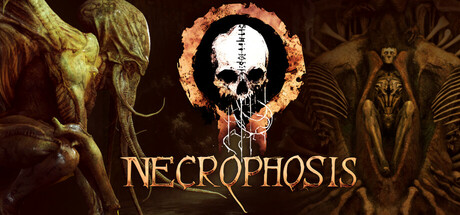
Stunning visuals and art style: The game's visuals, art style, and graphics are consistently praised as stunning, detailed, and beautiful, creating memorable imagery and breathtaking landscapes. The game world is visually striking, prompting players to take screenshots and immerse themselves in the environment.
Immersive sound and atmosphere: The game's sound design, music, and overall atmosphere are highlighted as exceptional, creating a haunting and immersive experience. The soundscape enhances the game's themes and deepens player immersion, with special mention of throat singing.
Engaging, philosophical story and lore: The game features a captivating and thought-provoking story with deep lore, explored through environmental storytelling and philosophical themes. The narrative focuses on death, decay, and existential questions, encouraging player interpretation.
Favorable comparison to Scorn: The game is frequently compared to Scorn, with some reviewers considering it superior in art and item variety, and less frustrating to play. The game shares a similar aesthetic and mood but offers a more fair and enjoyable experience.
Casual, easier puzzle difficulty: The game's puzzles are generally not very difficult, making it a more casual experience. While intricate, they require attention to the environment for solutions.
Common complaints
Technical issues and bugs: Several reviewers reported experiencing technical issues such as FPS drops, softlocks, and visual bugs that sometimes required restarting the game. These technical problems negatively impacted the overall player experience.
Short playtime, limited content: Multiple reviewers felt the game was too short, with some saying it's shorter than similar titles. Some also felt the price was too high for the amount of content offered. This perceived lack of content made some reviewers want more from the experience.
Boring, repetitive gameplay: Some reviewers found the gameplay boring and repetitive, describing it as a walking simulator with nice graphics. They felt the game lacked excitement and that the horror elements were weak.
Incoherent story, confusing world: Several reviewers expressed confusion and dissatisfaction with the game's story and world-building. They found the narrative difficult to follow, the universe incoherent, and certain elements out of place.
Language and control issues: Several reviewers mentioned issues with language support, including missing translations and difficult-to-understand English. Additionally, some players experienced problems with controller support and unreadable text, hindering accessibility and overall enjoyment.
Gameplay and performance
Exploration and light puzzle-solving: The core gameplay loop revolves around exploration, observation, and light puzzle-solving within the environment. Many reviewers describe the game as a 'walking simulator' or 'visual book' due to its emphasis on narrative and environmental interaction over complex mechanics.
Simple inventory and interaction: The game features a simple inventory system with no item limit. Interaction involves centering a crosshair on objects to interact or examine them.
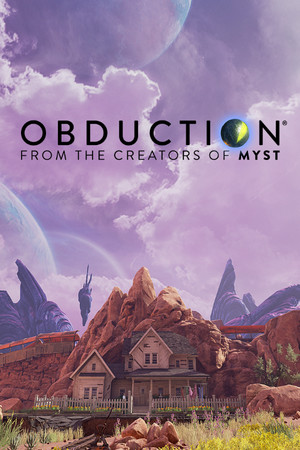
Similar to visual novels/Myst/Riven: The game is compared to visual novels and titles like Myst and Riven, emphasizing visual storytelling and puzzle elements over combat or action-oriented gameplay.
Unique brain-transfer mechanic: A unique brain-transfer mechanic allows players to shift consciousness into different shells at specific locations to perform actions. Once a shell is used, it becomes inactive, adding a layer of strategy to puzzle-solving.
Explores complex, heavy themes: The game explores a range of complex themes, including creation, death, rebirth, purpose, and various emotional states. These themes are primarily conveyed through visual storytelling and environmental design.
Good performance on various hardware: The game generally runs well on a variety of hardware, including the Steam Deck and systems with RTX 2060 and 4060 Ti cards. Some players reported occasional frame drops in certain areas, but overall the game appears to be well-optimized, offers frame rate lock options, and includes DLSS support.
Immersion via black screens: The game uses black screens to avoid animating certain scenes and hides the cursor for maximum immersion. These design choices may affect player experience.
Good DuelSense controller support: The game allows to use DuelSense via USB and map middle mouse button to R3 without issues. This indicates good controller support and customization options.
Recommendations
Strongly recommended overall: Many reviewers recommend the game, often enthusiastically, citing its unique atmosphere and artistic style. Some specifically suggest it's worth the asking price, while others express a desire for more content or similar games from the developer. A few reviewers mention softlocks, but still recommend the game.
Great for specific horror fans: The game is particularly well-suited for fans of Lovecraftian horror, H.R. Giger's biomechanical art style, and Zdzisław Beksiński's surrealist paintings. Reviewers often compare it to games like Scorn and Layers of Fear, recommending it to players who enjoy slow-paced, atmospheric experiences with a focus on art and philosophical themes.
Not for action/horror fans: Reviewers caution that the game is not for everyone, specifically those seeking fast-paced action, intense horror, or a strong narrative focus. It's better suited for players who value artistic direction and immersive experiences over traditional gameplay elements.
Short but solid experience: The game is a short experience, which some reviewers feel makes it a bit expensive for its duration. However, others appreciate that it doesn't overstay its welcome and provides a solid overall experience within its limited scope.
Praise for the developer: The reviewers praise the developer's work and express anticipation for future projects. They find the studio's games to be interesting and amazing experiences, indicating a high level of satisfaction with their artistic vision and execution.
Other review notes
Surreal, post-apocalyptic nightmare world: The game features a surreal, nightmarish world set billions of years after an apocalypse. The narrative centers around escaping an endless cycle of immortality, with disturbing organic environments and creatures.
Needs more language translations: The game features a lot of text and voiced characters, including poetry. This creates a need for translations into other languages, such as Russian.
Personal anecdotes/gratitude: These points are not substantial enough to be included in the summary. They consist of a reviewer mentioning their personal connection to the developer, gifting the game to a friend, thanking the developers for the Steam key, and suggesting other games for inspiration. These points do not provide specific feedback on the game itself.