- Significant sequel improvement over Ghostrunner 1
- Expanded gameplay with new mechanics
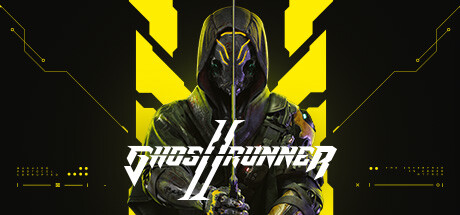
- Stunning visuals and cyberpunk aesthetic
- Motorcycle controls are clunky
- Weak story and characters
- Frequent technical issues and bugs
Emotions
What players like:
Common complaints:
Gameplay feedback:
Performance notes:
Recommendations:
Other player notes:
Similar games
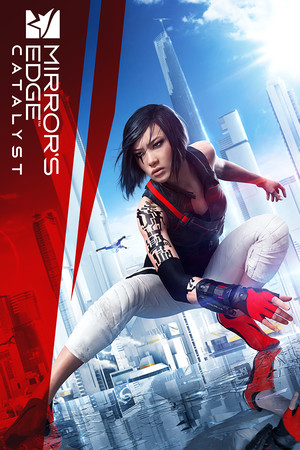
Blend with other games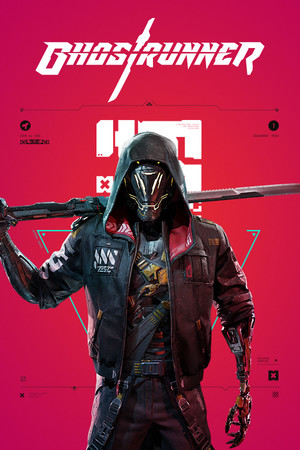






Review evidence
Why players say this
Review evidence
Why players say this
What players like
Significant Sequel Improvement: Reviewers consistently praise the game as a superior sequel, improving upon its predecessor in various aspects such as gameplay fluidity, boss battles, character development, and overall scope. Many found it to be a more enjoyable and refined experience than the first installment.
Expanded Gameplay & New Mechanics: The game introduces a wealth of new features, abilities, and gameplay options, significantly expanding on the original's formula. New mechanics like parrying, blocking, wingsuit, and varied enemy types add depth and replayability, making combat and traversal more diverse and engaging.
Stunning Visuals & Cyberpunk Aesthetic: Reviewers consistently praise the game's impressive graphics, vibrant art style, and strong cyberpunk atmosphere. The detailed environments, neon-lit cityscapes, and overall visual presentation contribute significantly to an immersive and aesthetically pleasing experience.
Excellent Level Design: The game features cleverly designed levels that offer a good balance of action and puzzles, encouraging exploration and creative traversal. Reviewers highlight the varied environments, strategic enemy encounters, and memorable moments, contributing to a dynamic and engaging experience.
Fluid & Satisfying Combat: The core combat experience, combining fast-paced swordplay with parkour, is highly praised for its fluidity, responsiveness, and satisfying feel. Reviewers enjoy the sense of accomplishment from defeating enemies with precise movements and brutal efficiency, embodying the cyber-ninja fantasy.
Common complaints
Inferior to Predecessor: The game is widely considered a significant downgrade from the first Ghostrunner in terms of gameplay flow, combat feel, level design, movement fluidity, and overall polish, often feeling like it misunderstood the original's strengths and introduced unnecessary changes.
Clunky Motorcycle Controls: The motorcycle sections are heavily criticized for terrible, unresponsive controls, awkward camera angles, frequent instances of getting stuck in geometry, and overall clunky handling, making these segments frustrating and unenjoyable.
Weak Story & Characters: The narrative is often described as boring, forgettable, illogical, and poorly written, with bland or annoying characters and unengaging dialogue. The soundtrack is also noted as dull and unmemorable.
Poor Open World & Hub: The introduction of semi-open world levels, motorcycle sections, and a central hub area is widely criticized for disrupting the game's fast-paced flow, being empty, tedious, and poorly designed, often feeling like unnecessary filler.
Technical Issues & Bugs: The game suffers from severe optimization problems, frequent frame drops, stutters, and numerous critical bugs, including crashes, progress loss, and environmental glitches, significantly hindering the gameplay experience.
Gameplay and performance
Evolution from Ghostrunner 1: The game builds upon the core gameplay of Ghostrunner 1, introducing numerous new mechanics, abilities, and content, leading to a more diverse experience. While many aspects like parkour and one-hit-kill combat remain, opinions on overall difficulty are mixed, with some finding it easier and others harder than the original.
Core Parkour & Platforming: The game's core gameplay revolves around fast-paced first-person parkour and platforming, featuring mechanics like wall running, grappling, and new additions such as the wingsuit and motorcycle. These elements are central to traversal, combat, and environmental puzzles, offering a fluid and often challenging experience.
Motorcycle Gameplay Sections: The game introduces motorcycle segments for traversal in semi-open world areas and dedicated racing levels. These sections are described as fast-paced and dynamic, though some players found them less engaging or occasionally buggy.
High Difficulty, Frequent Deaths: The game is characterized by its high difficulty and one-hit-kill mechanics for both the player and enemies, leading to frequent deaths. However, quick respawns and checkpoints mitigate frustration, encouraging trial-and-error learning.
Roguelike Mode & Progression: The game introduces a "Roguerunner" mode, a roguelike minigame offering challenges and upgrades. It also features a progression system with collectibles and a skill tree, alongside semi-open world hub-like levels.
Frequent Performance Issues & Crashes: Many players report significant FPS drops, stuttering, and frequent game crashes across various hardware configurations, including high-end systems. Optimization is often described as poor, especially in open-world sections and specific levels, with issues like low GPU usage and problems with both DX11 and DX12.
Numerous Gameplay Glitches: Players encountered a variety of non-performance related bugs, including boss fight glitches (teleporting, getting stuck), falling through the map, audio issues, motorcycle soft-locks and clipping, incorrect checkpoints, and achievements not registering. Some issues involve late loading of assets or enemies.
Demanding System Requirements: The game is perceived to have higher system requirements compared to its predecessor, Ghostrunner 1, despite similar graphics quality. Players note that a decent to high-end PC is needed for optimal performance.
Mouse Input Settings Issues: The game has default mouse smoothing/acceleration that cannot be changed via in-game UI, requiring manual configuration file editing. Some players also reported general latency issues, which could be related to input responsiveness.
Recommendations
Recommended on sale: A significant number of reviewers recommend purchasing the game only when it's heavily discounted, often advising against buying it at full price.
Sequel quality debated: While some find it a worthy or even superior sequel, many reviewers prefer the original Ghostrunner, citing its fluid movement, linear design, and overall feel as better.
Play GR1 first: Many reviewers strongly advise new players to experience the first Ghostrunner game before playing the sequel, often for story context or to understand core mechanics.
Divided GR3 expectations: Reviewers have mixed feelings about a potential Ghostrunner 3, with some hoping for it to fix issues and return to the original formula, while others express disinterest or hope for no further sequels.
Progression-blocking bugs: Several reviewers report progression-blocking and other malicious bugs, leading to strong non-recommendations.
Other review notes
Sequel Evolution & Changes: The game is frequently compared to its predecessor, with many noting it as a "bigger, faster, more complex" evolution featuring improved graphics and wider environments. However, some aspects like humor, puzzle complexity, and collectibles are perceived differently or less favorably than in the first game.
Mixed Story & Narrative Quality: The story is generally considered secondary to action, often described as simple, functional, or "okay," but sometimes criticized for being disjointed, overloaded with lore, or having unmemorable characters and cringe humor. Hub dialogues are also a point of contention.
Strong Cyberpunk Aesthetic & Audio: The game is highly praised for its stunning cyberpunk visuals, neon lights, futuristic atmosphere, and excellent synth-techno soundtrack, creating an immersive and cinematic experience. Some minor dissent regarding brown/gray wasteland sections exists.
Game Length & Replayability: The main storyline typically takes 7-12 hours to complete, with full achievement completion extending playtime to 15-31 hours. This indicates a moderate game length with significant replayability for completionists.
Varied Level Design Quality: Level design receives mixed feedback, with some levels being criticized for being too large, exhausting to traverse, or lacking continuity. The in-between level hub-world is also seen as uninteresting.