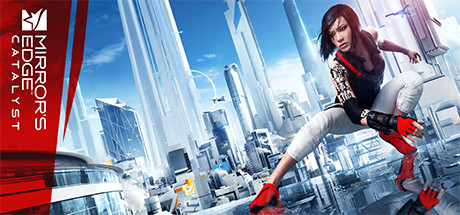
- Stunning visuals and graphics
- Enjoyable parkour mechanics
- Improved and satisfying combat
- EA shut down servers
- Weak story
- Game launch issues
Emotions
Archetypes
What players like:
Common complaints:
Gameplay feedback:
Performance notes:
Recommendations:
Other player notes:
- -
No data available
Similar games
Blend with other games






Review evidence
Why players say this
Review evidence
Why players say this
What players like
Stunning visuals and graphics: The game features mesmerizing and impressive graphics that have stood the test of time. Players consistently praise the beautiful game world, stunning visuals, and incredible aesthetics.
Enjoyable parkour mechanics: The parkour system is highly praised for being fluid, satisfying, and well-integrated with combat. Players enjoy the fast-paced and unique parkour gameplay, which stands out as a key feature.
Engaging and enjoyable gameplay: The overall gameplay is described as enjoyable, fun, and relaxing. Players appreciate the engaging story, enjoyable side quests, and the interesting and enjoyable narrative.
Improved and satisfying combat: Combat mechanics have been significantly improved and are described as satisfying and enjoyable. Players appreciate the responsive and dynamic combat system that integrates well with parkour.
Dynamic and atmospheric soundtrack: The soundtrack is highly praised for being dynamic, atmospheric, and well-integrated with the gameplay. Players enjoy the excellent and relaxing music that enhances the overall experience.
Common complaints
EA shut down servers: EA has shut down the servers for the online component of the game, affecting players who couldn't play or complete achievements at launch.
Weak story: The story is criticized for being predictable, not engaging, and not as gripping as the original game.
Game launch issues: The game struggles to launch, with issues such as infinite loading screens, crashes, and troubleshooting requirements.
EA launcher issues: The EA launcher is problematic, causing issues such as forced sign-ins, troubleshooting requirements, and preventing the game from launching.
Boring open world: The open world is criticized for feeling dead, empty, and monotonous, lacking engaging content and player impact.
Gameplay and performance
Parkour and movement mechanics: The game heavily features parkour and free-running mechanics, including wall running and using a rope. The parkour is described as smooth, fast, and immersive, forming the core of the gameplay experience.
Story and missions: The game includes a linear story mode with main storyline missions and additional side missions. There are also time trial missions and other side activities.
Open world structure: The game offers an open-world experience with free-running and parkour mechanics. Players can explore the open world and engage in various missions and activities.
Combat mechanics: Combat is a significant part of the game, with a focus on melee and acrobatic evasions. The combat system has been enhanced with new enemies and a skill tree, relying on momentum and environment.
Movement and physics: The game features a robust movement system with high-speed and fluid movement mechanics. The physics of movements are well-designed, contributing to the overall gameplay experience.
Server shutdown problems: EA has shut down the game's servers, affecting leaderboards, achievements, and overall gameplay. This has led to connectivity issues and crashes.
Infinite loading screen issues: Many players report being stuck on an infinite loading screen, especially after the initial video. This issue seems to persist without the community patch.
Good performance on lower-end hardware: The game runs well on lower-end and mid-range gaming computers, with some users reporting smooth performance and stable FPS on modern systems.
Miscellaneous issues: Various other issues are reported, including the need to modify firewall/hosts files to launch the game, driver errors, and issues with online features being discontinued.
Game crashing on launch: Several users experience crashes when trying to launch the game. This includes the game not booting or crashing on startup.
Recommendations
Buy only on sale: Many players suggest that the game is only worth purchasing when it is discounted or on sale.
Mixed purchase recommendations: Opinions vary widely, with some players strongly recommending the game and others advising against purchasing it.
Recommended for parkour fans: Players who enjoy parkour and open-world games are likely to appreciate this game.
Recommended for fans of the original: The game is highly recommended for those who enjoyed the first game in the series.
Worth playing despite flaws: The game is recommended for its enjoyable gameplay, graphics, and soundtrack, despite its flaws.
Buying context
Community fair range: $5.00 - $10.00.
Game completion: 20.0h.
Story completion: 9.0h.
Session length: 4.0h.
The game starts fun with engaging parkour mechanics and a well-designed tutorial system, but the enjoyment drops after a few hours due to repetitive quests and a small map.
Reported time to anchor: 1h.
Friction: Repetitive quests; Predictable story; Small map.
Player profiles
Frustrated Veteran: Critical and analytical, focusing on the game's flaws and corporate decisions. Motivation: To experience a well-functioning game without technical issues. Stance: no buy.
Parkour Enthusiast: Enjoys the movement and exploration aspects of the game, appreciating its unique mechanics. Motivation: To enjoy the unique parkour mechanics and the game's themes. Stance: sale.
Cautious Recommender: Balanced, enjoying both the gameplay and the story but aware of the game's shortcomings. Motivation: To enjoy a game with improved mechanics and a reasonable price. Stance: deep sale.
Platform notes
Steam Deck: The analysis of user feedback for the Steam Deck experience of the game reveals several significant issues. The most prominent problem is the mandatory use of the EA App or Origin Launcher, which introduces additional steps and potential issues such as repeated launching attempts and firewall adjustments. Performance issues, including excessive fan usage and poor optimization, also affect the gaming experience. The game has problems with offline mode and server connectivity, leading to endless loading screens and crashes. Additionally, users have criticized the gameplay and narrative elements, including predictable dialogues and a weak narrative. The EA App launcher is reported to be unreliable, often requiring multiple attempts to work and forcing users to go through additional steps like double launching from Steam to Origin.
Extra review signals
External guides: The primary issues identified from user feedback include a significant reliance on external resources for bug fixes and navigation of technical problems. Additionally, there is notable frustration with game mechanics and story elements, suggesting a need for improved in-game explanations and mechanics.