- Highly addictive roguelike gameplay
- Satisfying combat and weapon variety
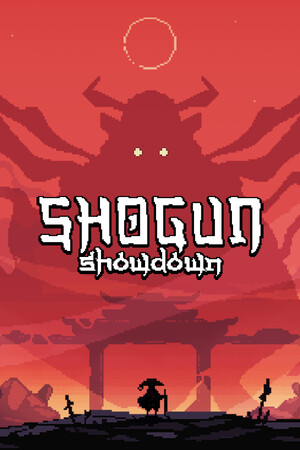
- Challenging boss fights with pixel art
- No mid-run save feature
- Imbalanced items and builds
- Technical issues and bugs

Emotions
Archetypes
What players like:
Common complaints:
Gameplay feedback:
Performance notes:
Recommendations:
Other player notes:
Similar games
Blend with other games






Review evidence
Why players say this
Review evidence
Why players say this
Steam review verdict
Addictive roguelike combat with satisfying weapon variety and challenging pixel-art bosses, though the lack of mid-run saves, imbalanced builds, and technical bugs hold it back.
What players like
Game is highly addictive: Players consistently describe the game as addictive and fun, with many noting it constantly draws them back for another round. This feedback appears across multiple clusters, indicating a strong hook.
Excellent turn-based roguelike gameplay: The turn-based roguelike mechanics are praised for being fast-paced, tile-based, and a unique twist on the genre. Players find the gameplay loop solid and engaging.
Fun and well-made game: Overall, players find the game fun, well-made, and worth the price. The gameplay and play-style feel good, and the game is considered phenomenal.
Great weapon variety: The game offers a wide array of weapons, relics, and upgrades that keep each run fresh and exciting. Players appreciate the multitude of options and how they modify builds.
Satisfying combat system: The combat system is described as novel, addicting, and satisfying, with depth that encourages planning several turns ahead. It starts simple but offers hours of strategic gameplay.
Common complaints
No mid-run save feature: Players cannot save mid-run, losing all progress when quitting. This is a major quality-of-life issue, especially for a roguelike with long sessions.
Imbalanced items and builds: Certain items and builds are significantly stronger than others, discouraging experimentation and leading to repetitive optimal strategies. Some relics are broken or useless.
Weapon and relic variety limited: The game offers too few weapons, relics, and relic slots, leading to repetitive runs and a lack of build diversity. Players often end up using the same setups.
Technical issues and bugs: The game suffers from frequent bugs, including freezes, unresponsiveness, and effects not working. These issues can cause loss of progress and ruin the experience.
Upgrade system punishes unlocks: Upgrading weapons is tied to finding duplicates, so unlocking more weapons dilutes the pool and makes upgrades harder, weakening the character. This design flaw discourages progression.
Gameplay and performance
Roguelike with meta-progression: The game blends traditional roguelike elements with roguelite permanent upgrades and unlockable tools. This hybrid approach provides both challenging runs and long-term progression.
Weapon and relic build system: Builds consist of weapons and relics collected during runs, with categories and subtypes. Relics provide passive effects, can be upgraded, and tailor builds, while weapons can be upgraded by equipping duplicates.
Directional weapons tied to movement: Core mechanic assigns four different weapons to cardinal movement directions, so moving triggers attacks. This unique system combines movement and combat into a single action, with some weapons causing displacement or locking the player in place.
Fast-paced action-strategy hybrid: The game mixes fast-paced action with turn-based strategy, moving quickly to feel like an action game. It is easy to learn but very difficult to master, with a 'one-more-run' appeal.
Turn-based combat with simultaneous enemy movement: The game is fundamentally turn-based, with enemies moving in sync with the player each turn. This creates a tactical, grid-based experience where every move matters.
Startup loading issue: The game may fail to start on first launch, getting stuck on the loading screen. This is a common technical problem that can prevent players from accessing the game.
File verification fixes startup: Verifying the integrity of game files can resolve the startup loading issue. This suggests the problem may be related to corrupted or incomplete installation files.
Crash on exit: The game crashes when the player exits to the desktop. This is a stability issue that can lead to frustration and potential data loss.
Recommendations
Recommended for genre fans: Multiple reviewers recommend the game to fans of turn-based strategy, roguelites, and chess-like puzzle games. The game blends these genres effectively, appealing to players who enjoy grid-based combat and roguelike mechanics.
High overall recommendation: Several reviewers strongly recommend the game, describing it as highly recommended, easy to recommend, and a terrific game. This indicates a generally positive reception among players.
Worth trying out: Reviewers suggest giving the game a try, noting it is worth trying out and a good pick for about 10 hours of gameplay. This suggests the game offers a worthwhile experience for those interested.
Mixed recommendation status: Some reviewers have a hard time recommending the game currently, while others changed to positive for the time being. This reflects a divided opinion among players.
Good value on sale: Some reviewers mention the game is worth it on sale and recommend waiting for a 50-70% discount before purchasing. This indicates that while the game is enjoyable, its full price may not be justified for all players.
Buying context
Community fair range: $10.00 - $12.99.
Game completion: 10.0h.
Session length: 0.5h.
Endgame: 45.0h.
The game is immediately engaging and addictive, but its fun declines as difficulty spikes and late-game punishment frustrate players.
Player profiles
Completionist Perfectionist: Avoids choices that lock out content, grinds to overcome difficulty, and seeks to experience every ending. Motivation: To unlock and see all content without being forced to choose between fun and completion. Stance: sale.
Tactical Synergy Seeker: Experiments with weapon loadouts, plans moves carefully, and optimizes relic synergies. Motivation: To explore deep combat mechanics and create powerful synergistic builds. Stance: buy.
Roguelike Newcomer: Plays casually, learns mechanics gradually, and may use Steam Deck for portability. Motivation: To experience a new genre in a casual, accessible way. Stance: buy.
Platform notes
Steam Deck: The game performs well on Steam Deck with excellent controller support and low power consumption, but suffers from two stability issues: an exit menu bug that forces a restart, and a first-launch hang that requires file verification. These issues make the experience playable but not seamless, requiring minor troubleshooting.
Other review notes
Developer responsiveness and patches: The developers are praised for responding professionally and kindly to feedback, and they released updates that reduced grindy achievements and fixed balance issues shortly after reviews. This responsiveness positively influences reviewer sentiment.
Comparisons to Crypt of the Necrodancer: Multiple reviewers compare the game to Crypt of the Necrodancer, noting a unique twist on Bard mode and that it does not force constant movement. One reviewer also mentions enemy scaling is too high compared to Necrodancer.
Positive price-to-value ratio: Reviewers consistently mention the game is fairly priced, with some noting it is a low price for a well-made small-scale game. The game is considered decent for its price, though one reviewer feels content is slightly lacking for the cost.
Developer identity and platform: The game is developed by FairPlay Studios, a Thai developer, and published by Dear Villagers and Gamirror Games. It is being made for mobile and runs well on the ROG Ally, with gamepad support.
Balance concerns and patches: Reviewers mention balance issues, particularly with enemy scaling and weapon balance, but note that patches have addressed some concerns. One reviewer believes nerfs are intended to extend playtime.