- Praised artwork and unique style blend.
- Engaging deck-building and gameplay loop.
- Challenging and clever Norse mythology gameplay.
- Repetitive loops and limited content variety.
- Slow progression and cluttered UI issues.
- Excessive randomness and feels unfinished.
Emotions
Archetypes
What players like:
Common complaints:
Gameplay feedback:
Performance notes:
Recommendations:
Other player notes:
- -
No data available
Similar games
Blend with other games


Review evidence
Why players say this
Review evidence
Why players say this
What players like
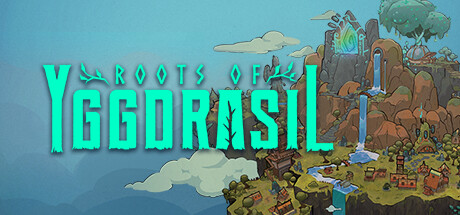
Praised Artwork and Style: The game's artwork and visual design received significant praise for being beautiful, stylish, and well-directed. Players appreciated the overall presentation and art style.
Unique Genre Blend: The game successfully combines multiple genres, including deck-building, roguelike, city-building, and turn-based strategy, creating a unique and engaging experience.
Chill and Enjoyable Experience: The game is described as chill and enjoyable, with city-building elements that add to the overall experience.
Deep and Engaging Deck-Building: The deck-building mechanics offer depth and complexity, allowing players to experiment with different strategies and adapt their playstyle. The progression system keeps the experience fresh.
Challenging and Clever Gameplay: The game is praised for its clever design and challenging gameplay, offering a twist on familiar card game mechanics and providing a fun puzzle experience.
Common complaints
Repetitive loops and gameplay: The loops in the game grow repetitive quickly, and the overall gameplay lacks variety, making it monotonous.
Limited content variety: The game suffers from a limited number of buildings, cards, and maps, which reduces the variety and replay value.
Slow unlock and progression: The game has a very slow unlock rate and progression, which can make it feel grindy and tedious.
Building placement is difficult: Many players find the process of placing buildings to be finicky and more tedious than necessary.
Cluttered and frustrating UI: The user interface is often described as cluttered and frustrating, leading to a poor user experience.
Gameplay and performance
Roguelike deckbuilder with city-building elements: The game combines roguelike mechanics with deckbuilding and city-building elements, creating a unique hybrid experience. Players engage in turn-based strategy, building and upgrading their city while managing a deck of cards that influence gameplay.
Resource management and progression: The game features a resource management system where players gather resources to unlock new areas and progress through the game. This includes managing resources to meet objectives and advance the story.
Strategic building placement: Players must optimize the placement of buildings to maximize resources and bonuses. This involves careful planning and strategy to ensure buildings are placed in the most effective locations.
Home base improvement and upgrading: Players can upgrade and improve their home base, which serves as a central hub for progression. This includes unlocking new abilities, buildings, and permanent upgrades that enhance gameplay.
Comparison to other games: The game is often compared to other popular titles like 'Slay the Spire' and 'Islanders'. These comparisons highlight similarities in mechanics and gameplay style, providing a reference point for potential players.
Good performance on low-end hardware: The game runs well on older computers and Steam Deck, indicating good optimization for low-end hardware.
Presence of bugs: Several players reported encountering bugs, although the severity and frequency of these bugs vary.
Camera movement issues: Some players experienced stuttering with camera movement, which can affect gameplay.
Limited graphical options: There are few graphical options available, which may limit the ability to optimize the game for lower-end computers.
Recommendations
Recommended with reservations: Many players tentatively recommend the game, especially for fans of deckbuilding. However, some suggest buying it only if it's on sale and you are aware of its flaws.
Game is enjoyable: Several players found the game enjoyable and suitable for killing a couple of hours. It seems to provide a decent amount of entertainment.
Buying context
Community fair range: $5.00 - $15.00.
Game completion: 24.0h.
Story completion: 3.0h.
Session length: 1.5h.
Players generally find the game fun initially due to its core mechanics and meta progression, but the enjoyment drops after a few hours due to repetitiveness and slow progression.
Friction: Repetitive gameplay; Slow meta-progression; Grindy mechanics.
Unlock drivers: Core mechanics; Meta progression.
Player profiles
Casual Creative Strategist: Casual, creative, and strategic. Motivation: Enjoyment of a relaxing and creative gaming experience. Stance: buy.
Challenge-Seeking Deckbuilder: Strategic, challenging, and complex. Motivation: Enjoyment of overcoming challenges and mastering complex mechanics. Stance: buy.
Grind-Averse Critic: Critical, selective, and progression-focused. Motivation: Seeking a game with satisfying progression and minimal grind. Stance: deep sale.