- Highly enjoyable and addictive gameplay
- Innovative city-builder roguelike blend
- Appealing art style and visuals
- Repetitive and unengaging gameplay
- Major technical and performance issues
- Frustrating card draw mechanics
Emotions
What players like:
Common complaints:
Gameplay feedback:
Performance notes:
Recommendations:
Other player notes:
Similar games
Blend with other games





Review evidence
Why players say this
Review evidence
Why players say this
What players like
Highly enjoyable and addictive gameplay: Players find the game highly enjoyable, addictive, and replayable, especially considering its early access/demo state. Many highlight its strong potential and unique blend of genres.
High anticipation for full release: There is significant anticipation for the full release, with players eager for more content, especially new gods, difficulty levels, and overall variety to enhance replayability.
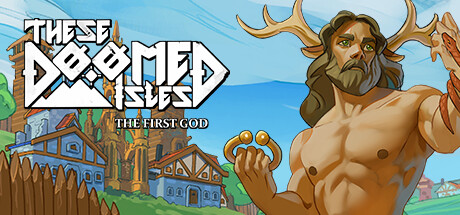
Appealing art style and visuals: The game's art style, particularly its semi-pixel or simple yet effective aesthetic, is consistently praised for being appealing and charming.
Innovative genre blend: The game's innovative genre blend, combining deck-building, roguelite, city-building, and resource management elements, is a major draw and contributes to its addictive nature.
Well-balanced and challenging difficulty: The game's difficulty level is well-received, with players enjoying the challenge posed by enemies and invasions, finding it perfectly balanced.
Common complaints
Repetitive and unengaging gameplay: The core gameplay loop is perceived as repetitive and unengaging, leading to boredom quickly. Players feel the game lacks depth, continuous motivation, and sufficient content to maintain interest beyond the initial stages. The roguelike elements and card system do not add enough variety or strategic depth.
Major technical and performance issues: The game suffers from significant technical issues, including frequent crashes, poor optimization, and severe lag, especially in mid-to-late game with more buildings and population. Display issues like incorrect fullscreen behavior and mouse control problems further detract from the experience.
Frustrating card draw mechanics: The card drawing and shop refresh mechanics are highly frustrating. Players report having to spend excessive gold and perform numerous refreshes to obtain desired cards, which feels cumbersome and overly reliant on luck rather than strategy. The limited display slots in the shop exacerbate this issue.
Clunky building placement: Building placement and management are clunky and restrictive. Players are frustrated by the inability to rotate, move, or freely remove buildings, leading to messy layouts and forced placements. There's also a desire for more variety in building types.
Inadequate tutorial: The tutorial is insufficient, failing to adequately explain core mechanics and game options. This leaves players feeling unprepared and confused, hindering their initial understanding and enjoyment of the game.
Gameplay and performance
Hybrid City-Builder Roguelike: The game is a unique hybrid, primarily a city-builder with strong rogue-like and card-based mechanics. It blends elements of Tetris, tower defense, and resource management, where players expand an island, manage resources, and defend against monsters using a card-drawing system.
Core Card-Based Mechanics: Card mechanics are central to gameplay, used for building, attacking, and resource generation. Players unlock new cards over time, but some feel certain cards are impractical or useless, and there's a desire for more control over card availability and a larger card library.
Strategic Island Expansion: Island expansion is a key strategic element, with players needing to decide between expanding their current island or connecting to new ones. Monster spawns are fixed to eight directions, and expanding quickly can push these spawn points further away, influencing defensive strategy.
Gradual Difficulty Progression: The game features five distinct difficulty levels, which gradually increase the challenge and require strategic engagement. While the highest difficulty can be demanding, overall player sentiment suggests the game's difficulty is well-paced and not excessively high.
Gold Management Priority: Gold is paramount, especially in the early game, and should be maximized before harvest season. Panning huts are noted as a more efficient early-game gold source than gold mines, with gold cards becoming important in the mid-game.
Performance issues with large settlements: Players are experiencing significant performance issues, specifically frame rate drops and lag, as their settlements grow and more structures are built. This indicates a need for optimization, especially in handling increased object counts.
Good Steam Deck performance: Despite being in early access, the game reportedly runs very well on the Steam Deck. This is positive feedback for portability and accessibility, suggesting good initial optimization for that platform.
Recommendations
Suggests quality-of-life improvements: Players frequently suggest various quality-of-life improvements and optimizations, ranging from UI/UX enhancements like clearer tutorials and display of information (e.g., building ranges, card costs) to core gameplay mechanics like card drawing and monster pathing. These suggestions aim to make the game more intuitive and user-friendly.
High anticipation for full release: Many players express excitement and anticipation for the full release of the game, indicating a strong interest in its future development and content. They are hopeful that the full version will address current issues and expand on existing features.
Generally recommended by players: The game receives general recommendations from players, who find it interesting and promising, especially for fans of tower defense and card game genres. This indicates a positive initial impression and a solid core gameplay loop.
Desire for more game modes: Players are keen on seeing more diverse gameplay modes and features, such as a PvP element, an endless mode, or a story mode. There's also a desire for combat acceleration options and more depth to unit mechanics beyond simple walls.
Wants more deity options: Players specifically request more variety in the 'deities' or 'gods' available in the full version, suggesting an interest in expanding the strategic options and lore related to these elements.
Other review notes
Game is a demo/prologue: Many players noted that the game is a demo or prologue version, not a full release. This context influenced their expectations and feedback, with some explicitly stating they wouldn't give a negative review due to its free, test nature.
Indie roguelike game: Players identified the game as an indie title, specifically within the roguelike genre. This categorization helps set expectations for its scope and gameplay mechanics.
Good content for demo: Despite being a demo, some players were impressed by the amount of content already available. This suggests a promising start for a game in its early stages.
Small file size (93MB): A specific technical detail mentioned was the game's small file size of 93MB. This could be relevant for players with limited storage or internet bandwidth.