- Exceptional RPG gameplay with deep customization
- Fun and unique art style praised widely
- Balanced length with high-quality DLC content
- Dark humor and satire enhance storytelling
- Bland story and unengaging characters criticized
- Technical issues and performance inconsistencies reported
Emotions
What players like:
Common complaints:
Gameplay feedback:
Performance notes:
Recommendations:
Other player notes:
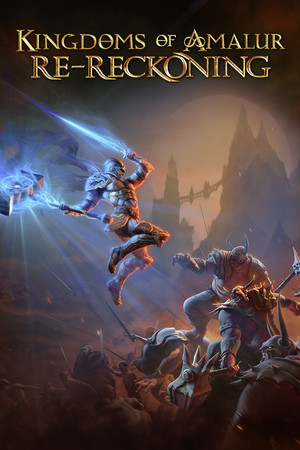
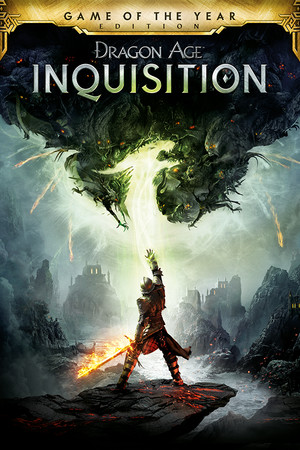
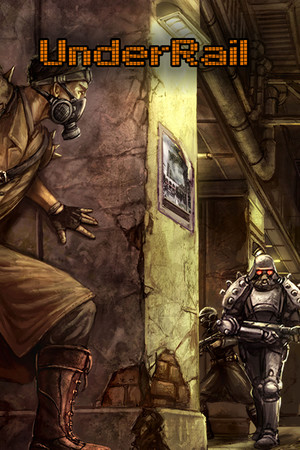
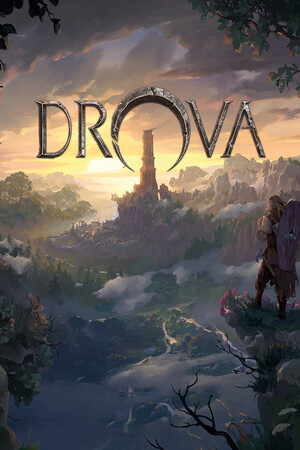
Similar games
Blend with other games




Review evidence
Why players say this
Review evidence
Why players say this
What players like
Exceptional RPG Gameplay: The game is praised for its well-crafted CRPG mechanics, including combat, stealth, and dialogue systems. Players highlight its depth, replayability, and nostalgic charm, comparing it favorably to classics like Fallout and Elder Scrolls.
Fun and Unique Art Style: The game's art style and atmosphere are praised for their creativity, charm, and nostalgic influences. Players enjoy the blend of sci-fi and RPG aesthetics, as well as the environmental storytelling.
Balanced and Enjoyable Length: The game offers a tight, engaging experience with a playtime of 30-60 hours, avoiding burnout. Players appreciate the lack of padding, enjoyable side quests, and substantial DLC content that extends replayability.
Smooth Performance and Visuals: The game runs well on various platforms, including PC, Steam Deck, and consoles, with minimal performance issues. Players appreciate the stable framerates, high-resolution visuals, and improvements in the Spacer's Choice Edition.
High-Quality DLC Content: DLCs are widely praised for adding meaningful content, including new areas, characters, and stories. Players note that DLCs like 'Peril on Gorgon' enhance world-building and often surpass the base game in quality.
Common complaints
Shallow and Unengaging Gameplay: Players consistently report dull, repetitive, and uninspired gameplay mechanics, lacking depth, variety, or memorable moments. Combat, exploration, and RPG elements are criticized as mediocre or underdeveloped, failing to create engagement or replay value.
Bland Story and Characters: The narrative is described as barebones, unengaging, or rushed, with forgettable characters and underdeveloped themes. Pacing issues, tonal whiplash, and lack of depth contribute to a weak storytelling experience.
Lack of Challenge and Meaningful Choices: The game is perceived as too easy, even on higher difficulties, with gear choices and player decisions feeling arbitrary or inconsequential. This undermines replayability and engagement.
Weak Combat and Progression Systems: Combat is criticized as unsatisfying, floaty, or overly simplistic, with minimal enemy variety and trivial difficulty. Progression systems (e.g., loot, upgrades) feel tedious, meaningless, or lacking in customization and impact.
Linear and Unimmersive Open World: The open-world design is perceived as linear, shallow, and lacking the immersion or scale of comparable titles. Side quests often feel like repetitive fetch/kill tasks, and the world fails to inspire exploration or storytelling depth.
Gameplay and performance
Flexible Progression and Customization: Character progression includes a respec-able skill system, perks (e.g., time-stopping mechanics), and weapon/armor upgrades. The level cap (99, functionally ~45) and optional disadvantages allow for diverse builds.
Multiple Quest Solutions: Quests often support varied approaches (combat, stealth, persuasion) with binary or multi-tiered outcomes (e.g., good/bad/very good). However, some tasks are criticized as repetitive or marker-driven.
Companion System with Depth: Companions are a standout feature, offering unique questlines, dynamic interactions, and combat assistance. Players can swap crew members, equip them with gear, and engage in companion-specific scenarios, adding replayability.
Open-World Exploration with Limits: The game adopts a semi-open-world design, dividing exploration across planets/zones with loading screens. While not fully seamless, it encourages loot collection, side quests, and freedom within linear quest structures.
DLC and Game Length Variability: The base game spans ~20 hours, with DLCs (e.g., Spacer’s Choice Edition) adding significant content like new weapons, armors, and multiple endings. Total playtime can reach 60+ hours with side quests.
Optimization inconsistencies: While the game is well-optimized for many systems, poor optimization is noted on specific setups (e.g., PS5, Linux, or high-end PCs). Performance varies significantly between platforms and hardware configurations.
Performance improvements over time: Patches (e.g., v1.51, 1.4) have resolved choppiness, stuttering, and other bugs, improving stability and performance. However, some issues persist, particularly in the Spacer’s Choice Edition.
Stuttering and FPS drops: Stuttering and frame drops are reported on high-end hardware (e.g., RTX 3070/4090, RX 9070XT), even post-patch. Overheating and flickering scenery exacerbate the issue, though some improvements have been noted in recent updates.
Steam Deck compatibility: The game performs well on Steam Deck, achieving 60 FPS at medium settings. Optimization for the platform is praised, though some performance tweaks may be required.
Graphical and lighting bugs: Shadow loading issues, screen darkening, and crashes related to 'Screen Space Global Illumination' are common. Disabling certain graphical features (e.g., global lighting) can mitigate crashes but affects visual quality.
Recommendations
Strong RPG for genre fans: The game is highly recommended for fans of classic RPGs, Fallout-style gameplay, and story-driven experiences with meaningful choices. Its creativity and role-playing freedom are frequently praised.
Best purchased on sale: The game is frequently recommended at a discounted price, with many suggesting it is only worth buying during sales or with DLC included. Full price is often deemed too high for its value.
Mixed reception, niche appeal: While the game is considered solid, it is often described as middle-ground or only worth playing for genre enthusiasts. It lacks the depth or polish to be a masterpiece but is still enjoyable for its target audience.
Not for action-focused players: The game is not recommended for those seeking fast-paced action, complex combos, or 'thoughtless' shooter mechanics. It is better suited for story-driven and role-playing experiences.
Sequel anticipation and replayability: Players express excitement for a sequel with improvements, though opinions differ on the game's replayability. Some find it worth multiple playthroughs, while others see it as a one-time experience.
Other review notes
Save transfer issues between editions: Players report difficulties transferring save files between the original and remastered versions of the game. Manual copying of save games is required, which can be cumbersome for some users.
Satirical narrative and tone: The game's satirical tone, corporate doublespeak, and commentary on real-world corporate control are frequently praised for their cleverness and relevance.
Retro-futurism and nostalgic setting: The game's retro-futuristic and space Wild West setting, along with nostalgic flair similar to Bioshock, resonates strongly with players.
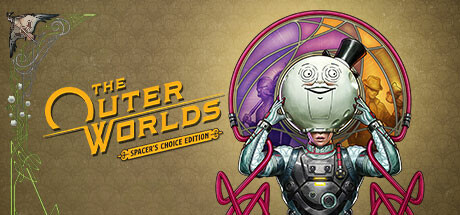
Spacer's Choice Edition as remaster: The Spacer's Choice Edition is recognized as a remaster with slightly improved textures and bundled DLCs, though some question its necessity for high-end hardware.
Pricing concerns and adjustments: Some players expressed dissatisfaction with the game's pricing, though others noted that price adjustments were honored after post-purchase sales.