- Engaging story with impactful choices
- Beautiful and immersive open world
- High replayability and customization
- Repetitive open-world design frustrates players
- Poor quest design and unrewarding content
- Clunky combat and excessive grinding issues

Emotions
What players like:
Common complaints:
Gameplay feedback:
Performance notes:
Recommendations:
Other player notes:
Similar games
Blend with other games 87%Avowed
 87%Kingdoms of Amalur: Re-Reckoning
 86%Tyranny
 85%Baldur's Gate 3
 85%Gothic® 3
 84%GreedFall
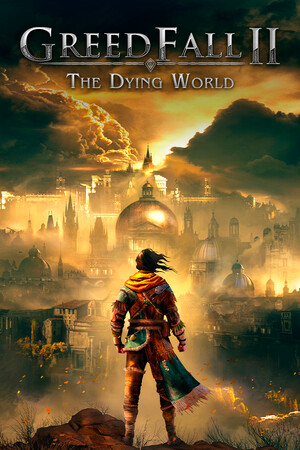 84%GreedFall II: The Dying World
 84%Dragon Age: Origins - Ultimate Edition
 84%Dragon Age™: The Veilguard
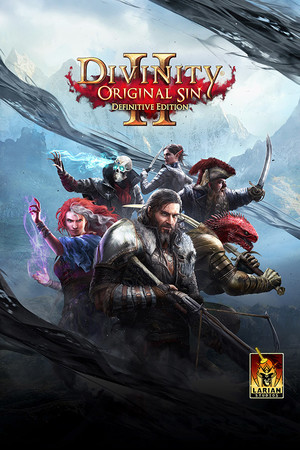 83%Divinity: Original Sin 2 - Definitive Edition
 83%Pathfinder: Wrath of the Righteous - Enhanced Edition
 83%DRAGON QUEST® XI S: Echoes of an Elusive Age™ - Definitive Edition
Review evidence
Why players say this
Review evidence
Why players say this
What players like
Engaging story with impactful choices: The game is praised for its rich, layered narrative with meaningful choices that significantly impact the story and endings. Players highlight the political intrigue, moral decisions, and replayability due to varied outcomes.
Beautiful and immersive open world: The game features a visually stunning, lore-rich open world with diverse regions, meaningful NPC interactions, and engaging exploration. The art style and environmental design are frequently highlighted as strengths.
High replayability and customization: The game offers extensive replayability through difficulty scaling, party customization, multiple playstyles, and mod support. Character creation and class systems are flexible, allowing for unique experiences per playthrough.
Rich lore and world-building: The game excels in immersive world-building, with deep lore woven into the plot, ambient dialogue, codex entries, and environmental storytelling. Fans appreciate the connections to previous games in the series.
Graphics hold up well over time: Despite its age, the game's graphics are still considered impressive, with detailed environments, striking landscapes, and strong artistic direction that remain visually appealing.
Common complaints
Repetitive Open-World Design: The game's open-world is criticized for being repetitive, filled with fetch quests, and lacking meaningful content. Players feel the world is large but empty, with side quests disrupting narrative urgency and pacing.
Poor Quest Design and Rewards: Quests are often criticized for being repetitive fetch tasks with little narrative value or meaningful rewards. Many feel like filler content designed to pad playtime.
Excessive Grind and Time-Wasting: The game forces players into repetitive grind mechanics, such as resource gathering, war table missions, and mandatory zone clearing, which disrupts gameplay flow and extends playtime artificially.
Clunky and Uninspired Combat: Combat is described as slow, clunky, and lacking depth, often feeling like button-mashing or a chore. Many players find it less engaging compared to previous entries in the series.
EA App Dependency Issues: The mandatory EA app causes technical problems, including crashes, mod-breaking issues, and performance degradation, making the game unplayable for some players.
Gameplay and performance
Hybrid Combat Mechanics: The combat system blends real-time action with tactical pause and turn-based elements, offering strategic depth. However, some players feel it lacks the depth of previous tactical RPGs in the series.
Rich Quest System Design: The game features a robust quest system with main storylines, side quests, companion quests, and optional content like collectibles. While praised for variety, some side quests are criticized for being repetitive or fetch-based.
Party-Based Progression: Character progression includes leveling, skill trees, gear customization, and companion interactions. The system is grind-heavy but allows for deep build customization and party management.
Companion-Driven Storytelling: Companions play a central role with unique quests, relationships, and banter. Romance options and approval systems add depth to interactions, though some mechanics feel underdeveloped.
Impactful Player Choices: Dialogue choices and decisions significantly alter the narrative, relationships, and endings. Replayability is enhanced by branching storylines and multiple outcomes.
Game launch failures common: Multiple users report the game failing to boot or launch, often due to launcher issues (EA/Origin/Steam) or crashes during early gameplay. This affects both high-end and mid-range PCs.
Frequent crashing: Crashes occur during gameplay, when switching audio devices, or due to launcher conflicts. Some users experience save corruption or system instability.
Performance varies by hardware: The game runs well on mid-range/high-end PCs (e.g., MX150, i5 8th gen) but struggles on low-spec systems. Some users achieve 120 FPS at 4K ultra, while others face FPS drops.
30 FPS cutscene lock: Cutscenes are locked at 30 FPS, creating a jarring contrast with higher-FPS gameplay. Some users note lip-sync issues and the need for third-party fixes or Origin settings adjustments.
Long load times: Extended startup and loading screens are common, often tied to server connectivity requirements or menu/store transitions. Some users report settings resetting after closing the game.
Recommendations
Must-play for RPG fans: The game is widely recommended for its deep storytelling, immersive world-building, and emotional character arcs, making it a standout title for RPG enthusiasts. Many reviews highlight it as a timeless classic or a must-play for both newcomers and veterans of the genre.
Focus on main story: Players advise prioritizing the main quest and companion quests to avoid tedium, grind fatigue, or repetitive side content. This approach is often recommended to enhance enjoyment, especially for those primarily interested in the narrative.
Best for Dragon Age fans: The game is highly recommended for fans of the *Dragon Age* series, *Skyrim*, or narrative-driven RPGs with political themes. Many reviews emphasize its value as a triumphant return to the world of Thedas, though some note it may not surpass *Dragon Age: Origins*.
Mixed reception on side content: Opinions on side content vary: some players recommend exploring it for a richer experience, while others advise avoiding non-essential quests to prevent boredom or grind fatigue.
Discount purchase advised: Reviews frequently suggest buying the game at a discounted price (e.g., $15 or below) due to its age, technical limitations, or mixed reception of side content. Full price is often deemed unjustified for a 2014 title.
Other review notes
Comparisons to other RPGs: The game is often compared to other CRPGs (e.g., Baldur’s Gate 3, Divinity: Original Sin 2, Skyrim) and previous *Dragon Age* titles, with some players preferring this entry over others.
Sequel and DLC context: Players discuss the game’s relationship to its sequel (*Veilguard*) and consider *Trespasser* DLC as the true ending to *Inquisition*. Some dismiss *Veligard* as the series finale.
Nostalgia and replay value: Players highlight the game's nostalgic appeal, citing long playtimes (e.g., 404 hours) and plans for second playthroughs. The narrative depth is praised for encouraging replayability.
Criticism of EA policies: Players express frustration with EA’s anti-consumer practices, such as mandatory Origin accounts, anti-modding policies, and external stressors like the EA app or localization issues.
Lore and cultural depth: The game’s exploration of systemic oppression, racial lore, and cultural themes resonates with players, particularly those who relate to historical marginalization.