- Unique weapon swap mechanic praised
- Challenging but manageable difficulty appreciated
- High replayability with satisfying meta progression
- Weapon system lacks incentive and depth
- Combat feels stiff and unresponsive
- Lack of content and variety
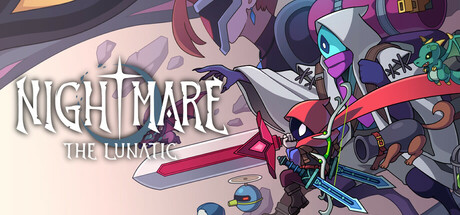
Emotions
Archetypes
What players like:
Common complaints:
Gameplay feedback:
Performance notes:
Recommendations:
Other player notes:
Similar games
Blend with other games





Review evidence
Why players say this
Review evidence
Why players say this
Steam review verdict
Praised for its unique weapon-swap hook, manageable challenge, and replayable meta progression, though shallow weapon depth, stiff combat, and limited content hold it back.
What players like
Unique weapon swap mechanic: A distinctive weapon-swapping gimmick is highlighted as well-executed and fun, encouraging diverse tactics and builds. It sets the game apart from similar titles.
Challenging but manageable difficulty: Players report completing the hardest difficulties, including nightmare, while also noting the difficulty is manageable after a few tries. It can be enjoyed casually.
High replayability: A large number of items and the roguelite structure contribute to high replayability. Reviewers find it highly replayable.
Highlight boss fights: Boss fights are a major highlight, described as challenging but fair and really cool. They stand out as a key positive aspect.
Satisfying meta progression: The meta progression system is described as excellent and very satisfying. It provides a strong sense of advancement between runs.
Common complaints
Weapon system lacks incentive: The three-weapon system feels underutilized, with little reason to switch as one weapon often suffices. Swapping is cumbersome, limited by resources, and weapons lack distinct feel or combos.
Combat feels stiff and unresponsive: Controls and movement feel slow, stiff, and frustrating, with clunky animation and combat that lacks fluidity. Hit feedback is also weak, making combat unsatisfying.
Lack of content and variety: Reviewers note limited enemy types, few bosses, and repetitive room designs. The game is criticized for not offering enough content or innovation for a roguelike.
Meta progression is grindy: Unlocking items and upgrades requires significant grinding, with many meta-unlocks and repetitive boss kills. This can lead to burnout and feels unrewarding.
Mediocre and forgettable: Many describe the game as average, lacking standout features or lasting appeal. It is often compared unfavorably to other roguelikes like Dead Cells and Skul.
Gameplay and performance
Core parry combat mechanic: Parrying is a central and frequently mentioned combat system, appearing across many clusters. Players highlight parry timing, counterattacks, and boss interactions as core gameplay elements.
Three-weapon loadout system: Players carry up to three weapons into battle and can swap between them during combat. This three-slot weapon system is a defining structural feature.
Roguelike action platformer genre: The game is widely described as a roguelike or roguelite action platformer, often with side-scrolling elements. This genre framing is consistent across many reviews.
Real-time weapon switching core: Combat revolves around constantly swapping weapons in real time, with each weapon filling a different role. This mechanic is repeatedly described as central to the game's design.
Dodge and parry defenses: Combat offers both dodging and parrying as answers to enemy attacks, with dashing and repositioning integrated into the flow. These defensive options are core to survival.
Efficient low wattage 60fps: The game achieves 60fps at remarkably low power consumption, around 6 to 10 watts. This indicates excellent energy efficiency, making it ideal for portable gaming devices.
Runs amazing: Players praise the game's performance, stating that it runs amazingly well. This positive feedback highlights the game's optimization and smooth experience.
Recommendations
Strong fit for roguelite fans: Many reviewers strongly recommend the game to anyone who enjoys roguelite or roguelike games and considers it a must-play for genre enthusiasts. This is one of the most frequently recurring positive themes across the feedback.
General recommendations and thumbs up: Many simple positive endorsements appear, such as big thumbs up, highly recommend, and would play again. These indicate broad satisfaction without detailed critique.
Not worth it for some players: A few reviewers explicitly do not recommend the game, citing better alternatives or unmet expectations. This counterpoint is present but less frequent than positive recommendations.
Recommended for action roguelite players: Reviewers recommend the game to fans of side-scrolling action roguelites, fast-paced combat, and layered progression. It is seen as a fun, unique, and challenging entry in the genre.
Mixed reception from genre veterans: Some reviewers who have played many similar games do not recommend this title, saying they would rather play other, more enjoyable alternatives. This contrasts with the enthusiastic recommendations from other genre fans.
Buying context
Community fair range: $14.99 - $19.99.
Game completion: 40.0h.
Story completion: 16.0h.
Endgame: 17.0h.
Players often enjoy Nightmare: The Lunatic from the start because its roguelite meta-progression and pacing feel rewarding, but enjoyment tends to drop later due to tedious late-game bosses, repetitive mashing, imbalanced difficulty, and grind.
Friction: Repetitive button mashing to kill enemies; Imbalanced difficulty curve; Heavy grind for out-of-game unlock content.
Unlock drivers: Unlocking many content items may make the game more interesting later; Better weapon affixes obtained as the game progresses greatly increase combat power; Meta-progression makes runs feel worthwhile rather than wasted; Long-term progression loop keeps players invested after repeated failures.
Player profiles
Roguelite Genre Connoisseur: Approaches each new roguelite as a genre critic, benchmarking its pacing, visual clarity, difficulty curve, and progression against past favorites. Motivation: Finding new roguelite entries that live up to or surpass established genre benchmarks. Stance: buy.
Hardcore Challenge Seeker: Grinds hard bosses and difficulty tiers, mastering combat through repetition and chasing completionist unlocks. Motivation: Conquering brutal difficulty and completing achievements to prove mastery. Stance: buy.
Meta-Progression Build Crafter: Experiments with weapon-swap combinations and item synergies to tailor builds while valuing permanent unlocks that reward every run. Motivation: Crafting diverse builds and feeling constant forward progress through meta-progression. Stance: buy.
Other review notes
Frequent Comparisons to Skul and Dead Cells: Many reviewers compare the game to dead cells and skul: the hero slayer, noting similarities in combat, aesthetics, and progression. Some consider it a mix of those games but with its own identity.
Difficulty and nightmare levels: Reviewers mention a challenging difficulty curve with multiple nightmare levels. Some find it relatively easy among metroidvanias, while others note high difficulty and grinding.
Stylized pixel art and animations: The game features a stylized pixel art aesthetic with smooth attack animations. Many reviewers praise the art style, animations, and sound design.
Grindy meta-progression and unlocks: The game features extensive out-of-run unlocks and meta-progression, which some reviewers find grindy. However, others appreciate the large amount of content to unlock.
Early access with limited content: The game is in early access and currently offers limited content, such as only two stages per run. Despite this, many see potential for a solid roguelike with future updates.