- Enjoyable roguelike experience with stunning art style
- Charming characters, humor, diverse bosses
- Excessive randomness and poor progression
- Unfair, frustrating boss design
- Unbalanced, uninspired item system
- Weak story and repetitive level design
Emotions
What players like:
Common complaints:
Gameplay feedback:
Performance notes:
Recommendations:
Other player notes:
Similar games
Blend with other games





Review evidence
Why players say this
Review evidence
Why players say this
What players like
Highly Enjoyable Roguelike Experience: Players overwhelmingly praise the game as an incredibly fun, engaging, and addictive roguelike experience. Many compare it favorably to genre giants like Hades and Dead Cells, highlighting its strong core mechanics, high replayability, and overall quality.
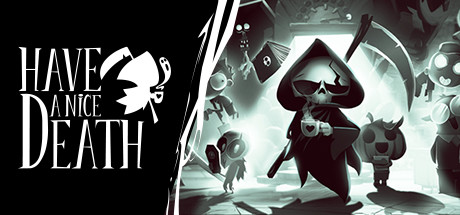
Stunning Art Style and Animations: The game's art style, visuals, and animations receive widespread acclaim. Reviewers consistently describe them as beautiful, unique, charming, and incredibly polished, often drawing comparisons to Tim Burton or high-quality cartoons. The visual design is frequently cited as a major strength and a key factor in player immersion.
Charming Characters and Humor: The game's humor, particularly its dark and self-aware satire, is a significant highlight. Characters are described as charming, funny, and full of personality, with engaging dialogues and banter that contribute to the game's unique atmosphere and make the world feel alive.
Diverse Bosses and Weapon Variety: The variety and design of bosses, enemies, and weapons are highly appreciated. Bosses are noted for their creative designs, readable attack patterns, and challenging yet fair fights. The wide selection of weapons and abilities allows for diverse and fun build experimentation, enhancing replayability.
Immersive Soundtrack and Atmosphere: The game's soundtrack and overall atmosphere are highly praised. The music is described as exquisite, fitting, and enhancing the game's dark yet playful mood, while the sound design and environmental details contribute to an immersive and cohesive experience.
Common complaints
Excessive randomness and poor progression: Players frequently express frustration with the game's excessive randomness, which dictates run success and makes progression feel arbitrary. This leads to a lack of meaningful permanent upgrades and replayability, making the game feel repetitive and unrewarding compared to other roguelikes.
Unfair and frustrating boss design: Boss encounters are a major source of frustration due to unfair mechanics, high damage, and often unavoidable attacks. The difficulty spikes are significant, and the lack of a practice mode means players must repeatedly slog through levels to learn patterns, making runs feel like a waste of time.
Unbalanced and uninspired item system: The balance of weapons, spells, and curses is severely criticized, with many items being ineffective or offering negligible benefits. This imbalance, combined with a lack of control over item acquisition, hinders build diversity and makes it difficult to create synergistic playstyles.
Weak story and repetitive level design: The game's narrative, characters, and humor are largely considered mediocre or uninteresting, often leading players to skip dialogues. Level design is criticized for being linear, repetitive, and lacking variety, contributing to a monotonous experience.
Insufficient and problematic healing system: The healing system is severely lacking, with infrequent and inconsistent drops of healing items that restore very little health. The 'gray health' mechanic further limits recovery, forcing players into a 'one-hit-kill' mentality and greatly reducing fault tolerance.
Gameplay and performance
Dynamic and Varied Combat System: The combat system is described as fast-paced, dynamic, and skill-based, emphasizing dodging, combos, and quick reflexes. Players utilize Death's scythe (with multiple variations), secondary weapons, and spells, all of which can be chained together for fluid attacks. The game offers a good variety of weapons and spells, each with unique movesets and super attacks, contributing to diverse combat experiences.
Roguelike with Corporate Death Theme: The game is consistently identified as a 2D action roguelike/roguelite, drawing comparisons to titles like Dead Cells and Hades. Players control Death, the CEO of 'Death, Incorporated,' dealing with corporate bureaucracy and burnout. While it features typical roguelike elements like random drops and starting fresh each run, there are also roguelite aspects with permanent progression and unlockable items that influence subsequent runs.
Varied and Adaptive Difficulty: Player feedback indicates a wide range of difficulty experiences, from challenging to manageable, with many modes available. The game offers various difficulty settings, including an 'easy' mode that some find more akin to 'normal,' and higher difficulties that significantly increase challenge by boosting enemy stats and reducing player power. The game also features adaptive difficulty, where dying can make the game easier, and options to skip parts of runs.
Engaging and Replayable Game Loop: The game's core loop is generally found enjoyable and engaging, with many players appreciating the fresh feeling of each run due to randomized elements. Despite some feedback suggesting a lack of replayability, the majority indicates a strong replay value, with a compelling story that extends beyond the first playthrough and a gameplay loop reminiscent of popular roguelikes.
Strategic Grey Health System: The game incorporates a 'grey health' system, where a portion of damage taken can only be recovered through specific means, adding a layer of strategic resource management. This system, along with limited health storage slots and health drops, makes healing a critical aspect of survival during runs.
Inconsistent technical performance: Despite numerous technical issues, some players report a surprisingly smooth experience, with good fluidity, impeccable technical performance, and even successful gameplay on lower-end hardware. This indicates an inconsistent experience across the player base.
Poor optimization and high resource use: The game appears to have poor optimization, with reports of high power usage and system requirements that seem disproportionate to the actual GPU and memory utilization. This suggests inefficient resource management.
Specific progression-blocking bugs: Players have encountered specific bugs, including missing command buttons and progression-blocking errors, which significantly hinder gameplay and the ability to advance.
Steam Deck compatibility issues: Steam Deck users need to manually force compatibility with Proton 7.0-6 to get the game running properly, indicating a lack of native or seamless support for the platform.
Music skipping bug: A temporary fix for music skipping involves pausing the game for about 30 seconds to force a music track change, suggesting an audio-related bug.
Recommendations
Mixed player reception: Player sentiment is highly divided, with many recommending the game for specific audiences (e.g., roguelike fans, those who enjoy grinding) while an equal number express disappointment, advise against purchase, or even regret buying it. This suggests the game's appeal is niche and not universally enjoyed.
Strong appeal for roguelike fans: Many players recommend the game specifically to fans of the roguelike/roguelite genre, often comparing it favorably to popular titles like Hades, Dead Cells, and Hollow Knight. This indicates that the game successfully caters to the core audience of this genre.
High potential for future growth: Players frequently mention the game's strong potential, especially considering its Early Access status. They anticipate future updates will improve the game, add more content, and address current issues, potentially elevating it to a genre highlight.
Balancing and content variety needed: Players hope for improvements in game balancing, including adjustments to probabilities, monster feedback, curse distribution, and weapon/spell drop rates. They also desire more variety in bosses, levels, cosmetics, and weapon upgrades.
Difficulty level is high: The game is perceived as very difficult, with some suggesting that even 'easy' mode feels like 'normal.' Players recommend adjusting difficulty settings for a better experience and desire a 'cruel but fair' challenge similar to other popular roguelikes.
Other review notes
Engaging Dark Humor and Satire: The game's narrative, particularly its dark, humorous, and satirical take on corporate culture, resonates strongly with players. The premise of Death as a burnt-out office worker and the witty writing are frequently cited as enjoyable aspects.
Unique and Humorous Premise: The core premise of Death managing a corporation and dealing with unruly subordinates is a major draw. Players appreciate the novel storyline where Death is tired of work and must regain control by fighting employees.
Strong Roguelike Comparisons: Many players compare the game favorably to popular roguelike titles like Hades, Hollow Knight, and Dead Cells. This suggests the game successfully delivers a similar gameplay experience within the roguelike genre.
Desire for More Content: Players express a desire for more content, including potential sequels, updates, and new game modes. Specific suggestions include an 'All Departments' mode and an 'Upgraded Training Room' for advanced practice.
Difficulty and Price Concerns: Some players found the game's initial difficulty challenging or felt overwhelmed by its mechanics, leading them to stop playing. There's also a perception that the game can be expensive unless purchased on sale.