- Unique pigment combat praised
- Outstanding soundtrack and art
- Entertaining with compelling story
- Excessive RNG frustrates players
- Poor balance and progression
- Unclear mechanics and UI

Emotions
Archetypes
What players like:
Common complaints:
Gameplay feedback:
Performance notes:
Recommendations:
Other player notes:
Similar games
Blend with other games
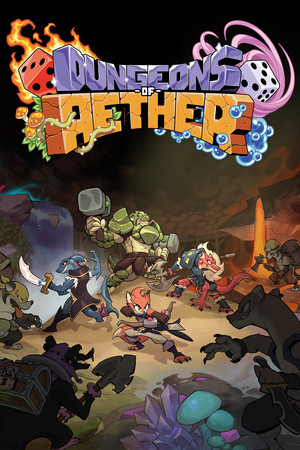
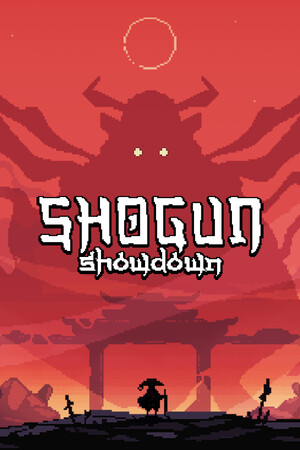


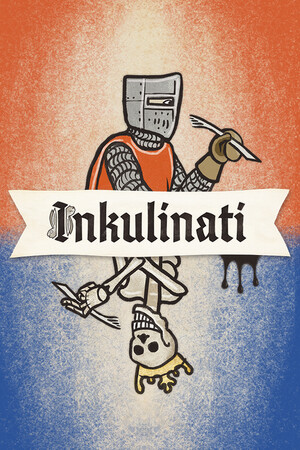
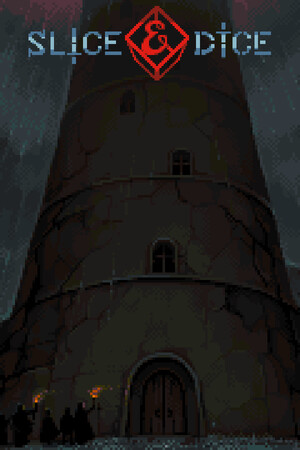


Review evidence
Why players say this
Review evidence
Why players say this
Steam review verdict
Unique pigment combat, outstanding soundtrack and art, and a compelling story entertain, while excessive RNG, poor balance, unclear mechanics, and clunky UI frustrate.
What players like
Combat system is praised: Players appreciate the combat system for being fun, tactical, and well-balanced, with some calling it the best turn-based combat they've experienced. This feedback spans multiple clusters, indicating strong appreciation.
Game is highly entertaining: Players consistently praise the game for being fun, charming, and well-designed, with enjoyable gameplay and humor. This feedback is widespread and detailed, indicating strong overall satisfaction.
Soundtrack is outstanding: The soundtrack receives high praise for being delightful, catchy, and genre-diverse, with many players citing it as a favorite aspect. This feedback is consistent and enthusiastic across multiple clusters.
Story and narrative compelling: The narrative is described as resonant, emotionally powerful, and deeply compelling, with interesting stories and well-executed dialogue. This feedback highlights the game's strong storytelling elements.
Unique and innovative gameplay: The game is lauded for its unique mechanics and innovative approach, particularly within the roguelike genre. Players find the gameplay fresh and distinctive, setting it apart from other titles.
Common complaints
Excessive RNG mechanics: The game relies heavily on randomness, including random party members, pigment drops, enemy actions, and coin-flip mechanics. This makes outcomes feel decided by luck rather than skill, leading to frustration and unwinnable situations.
Lack of strategic depth: Players feel the game offers little in the way of meaningful choices or strategy, instead relying on random outcomes. Character customization is nearly nonexistent, and progression often just adds more complex options rather than increasing power.
Poor balance and progression: The game's balance is criticized, with some characters being nearly useless and enemies having one-shot kills. Progression feels grindy and locked behind RNG, and difficulty doesn't scale smoothly, making runs feel empty or unfair.
Game is excessively hard: Multiple clusters highlight the game's punishing difficulty, with some saying it 'hates the player' and is 'brutal'. The difficulty spikes significantly, especially in later areas, and mistakes lead to long downward spirals.
Combat is tedious and boring: Combat is described as repetitive, slow, and overly complicated, with too many status effects and abilities to track. The required manual pigment assignment and lack of speed-up options make battles feel like a chore.
Gameplay and performance
Unique pigment combat system: The combat features a unique pigment system where enemies drop colored pigment based on their health bars. Players collect and manage this resource to use abilities, adding a distinctive layer to battles.
Turn-based roguelike RPG: The game is largely described as a turn-based roguelike with RPG elements and strategy. Players engage in tactical turn-based combat while progressing through randomized runs.
Pigment resource management: Players must manage pigment as a resource, using specific colors for abilities. Collecting unwanted colors can cause damage, and using incorrect pigments leads to recoil damage.
Strategic tactical battles: Battles require balancing offense, defense, and long-term planning, with tactical positioning on a field or zones. The game is described as a strategy game with a punishing attitude.
Limited character skills: Characters have a limited set of skills—typically up to three, with two available in a run. This adds depth to character builds and run variability.
Missing Steam Deck controller support: Players on the Steam Deck report that the game lacks proper controller support, making it difficult or impossible to play without additional configuration.
Recommendations
Highly recommended for turn-based roguelike fans: Multiple clusters strongly recommend this game to fans of turn-based RPGs and roguelikes, praising its tactical depth and engaging gameplay. Specific references to similar titles like Slay the Spire and Binding of Isaac suggest it fits well within the genre.
Art style is a major selling point: Many reviewers highlight the game's unique, weird, and gruesome art style as a key reason to play, appealing to art enthusiasts and those who appreciate surreal aesthetics. Some even say the experience of seeing all the art is worth the price alone.
Strongly endorsed as a must-play: Several reviewers express strong enthusiasm, calling it a masterpiece, must-play, or telling readers to buy it immediately. These are high-praise recommendations that suggest a standout experience.
Combat is strategic and thinking-intensive: Reviewers emphasize that the game's combat requires careful planning and thinking, making it appealing to players who enjoy strategic depth. It is compared to games like Into the Breach and Cobalt Core, suggesting a cerebral experience.
Appeals to fans of specific games: Recommendations are made for fans of games like Cobalt Core, Slay the Spire, Into the Breach, and Binding of Isaac, indicating the game shares mechanics or themes with these titles. This helps set expectations for similar players.
Buying context
Community fair range: $15.00 - $20.00.
Game completion: 9.0h.
Session length: 1.0h.
Endgame: 100.0h.
The game is engaging but only after a steep learning curve and a slow start; most players report it 'clicks' after several hours of play, at which point the strategic depth and combat satisfaction emerge.
Reported time to anchor: 5h 30m.
Friction: steep learning curve; slow and tedious early game; progression locking restricts strategy; limited starting character selection; confusing UI for enemy intents.
Player profiles
Tactical Roguelike Strategist: Analyzes each encounter, experiments with party builds, and optimizes runs through careful planning. Motivation: Mastering intricate turn-based combat and clever roguelike mechanics. Stance: buy.
Art & Atmosphere Enthusiast: Explores lore and details, appreciates visuals and music, and engages with the game's thematic depth. Motivation: Immersive and thought-provoking artistic expression. Stance: buy.
Completionist / Unlock Hunter: Replays runs to try new builds, optimizes for achievements, and seeks out every piece of content. Motivation: Unlocking all characters/items and achieving full completion. Stance: buy.
Platform notes
Steam Deck: The game runs natively on the Steam Deck without requiring Proton tweaks or launcher workarounds. The main complaints revolve around missing controller support and cloud saves, but the game is fully playable with the touchpad as a mouse. Users report a highly positive experience overall, with no crashes or unreadable UI issues.
Other review notes
Bosch-inspired art style praised: Multiple reviewers highlight the game's visual style as directly inspired by Hieronymus Bosch, particularly 'The Garden of Earthly Delights'. This is frequently cited as a standout feature, with some calling the game a work of art.
Compared to several acclaimed titles: Reviewers frequently compare the game to classics like Slay the Spire, Undertale, Darkest Dungeon, and Lisa: The Painful. These comparisons are generally positive, emphasizing the game's unique blend of mechanics and atmosphere.
Frequent comparisons to Binding of Isaac: The game is often compared to The Binding of Isaac, both in terms of addictive gameplay and satisfying unlock loops. Some reviewers note that this game offers a better story and combat that they prefer over Isaac.
Strong modding community support: The game features official Workshop support and a robust modding community, with many high-quality mods available. This extends replayability and is highly valued by players.
Active development and updates: Even five years after release, the developer continues to add free content, including new enemies and expansions. The developer is responsive to feedback and has promised future updates, fostering a supportive community.