- Overall fun and improved experience
- Ideal Monster Hunter/Pokémon blend
- Rich, engaging Monstie mechanics
- Poor, repetitive story and writing
- Uninspired map design
- Critical performance issues, crashes
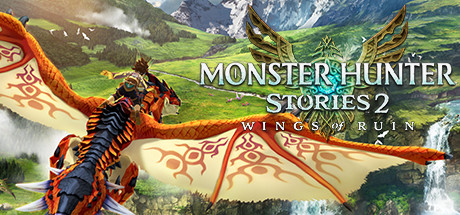
Emotions
What players like:
Common complaints:
Gameplay feedback:
Performance notes:
Recommendations:
Other player notes:
Similar games
Blend with other games 83%Cassette Beasts
 83%Yaoling: Mythical Journey
 82%Nexomon: Extinction
 82%DRAGON QUEST MONSTERS: The Dark Prince
 82%Monster Crown
 80%Mamon King
 80%Monster Sanctuary
 80%DRAGON QUEST TREASURES
 79%Monster Hunter Wilds
 79%LumenTale: Memories of Trey
 79%Monster Hunter Stories 3: Twisted Reflection
 79%Dokimon: Quest
Review evidence
Why players say this
Review evidence
Why players say this
What players like
Significant Overall Improvement & Fun: Players overwhelmingly praise the game as a highly enjoyable and addictive experience, representing a substantial improvement over its predecessor in almost every aspect. It offers robust gameplay, significant quality-of-life enhancements, and provides many hours of engaging content with high replayability.
Ideal Monster Hunter/Pokémon blend: The game expertly combines the Monster Hunter universe with Pokémon-like creature collection and turn-based combat, making it accessible for newcomers while delighting veterans. Many reviews highlight it as a superior monster-collecting experience compared to recent Pokémon titles and a refreshing take on Monster Hunter lore.
Rich and engaging Monstie mechanics: The monster taming, collecting, riding, and breeding systems are a major highlight, with particular acclaim for the deep gene customization and the addictive egg-hatching loop. Players appreciate the wide variety of Monsties, the strong sense of companionship, and the strategic depth they add to combat.
Strategic and dynamic turn-based combat: The turn-based combat system, built on a well-implemented rock-paper-scissors mechanic, is praised for its strategic depth, dynamic presentation, and excellent animations. It strikes a good balance between accessibility and complexity, requiring tactical thought about monster weaknesses and weapon types.
Stunning visual and monster design: Reviewers noted a substantial upgrade in graphical quality, featuring beautiful cel-shaded aesthetics, vibrant environments, and highly detailed character and monster models. The monster designs and their fluid animations are particularly praised for their charm and personality, enhancing the game's immersive world.
Common complaints
Poor, Repetitive Story & Writing: The overall narrative is widely criticized as bad, boring, illogical, childish, and inferior to the first game. Players found the plot repetitive, often skipping cutscenes, and felt it lacked depth, emotional connection, and engaging characters.
Protagonist Lacks Agency: Players felt the protagonist was constantly overshadowed by their legendary grandfather, 'Red', being treated more as a tool or 'Red's DNA carrier' than an individual. NPCs, and even the character Ena, excessively referenced the grandfather, undermining the protagonist's importance and growth.
Uninspired Map Design: The map design is criticized for being shallow, unnecessarily large, empty, and repetitive, with many areas feeling like reskins. Players found exploration unrewarding due to linear progression, confusing layouts, and tedious back-and-forth travel.
Critical Performance & Crashes: Numerous players reported severe technical problems, including frequent crashes, freezing, and persistent black screen issues upon launch. These problems often rendered the game unplayable, even on high-spec PCs, leading to lost progress and immense frustration.
Simple, Repetitive Combat: The turn-based combat, heavily reliant on a basic 'rock-paper-scissors' system, is criticized for lacking depth and becoming predictable and boring over time. Battles are described as tedious and unengaging, especially in later stages or boss fights.
Gameplay and performance
Monster collecting JRPG core: The game blends Monster Hunter and Pokémon, focusing on players as 'Riders' who collect, tame, ride, and battle with 'Monsties.' The core gameplay loop involves finding monster eggs, hatching them, and raising a customizable team.
Extensive Monstie gene customization: A deep gene system allows players to customize Monstie abilities, skills, and elemental types through a 3x3 grid. Transferring genes, creating 'bingo' bonuses, and investing in unique builds are central to developing powerful and personalized Monsties.
Multiplayer and endgame grind: The game offers online co-op missions for exploration and boss fights, as well as PvP. The endgame primarily consists of extensive grinding to optimize Monstie builds for competitive online play.
Kinship Gauge powers skills: The Kinship Gauge is a vital in-battle resource that fills through combat actions, especially 'Head-to-Head' wins. A full gauge allows players to ride their Monstie and unleash powerful Kinship Skills, enhancing the bond between Rider and Monstie.
Material-based crafting, part-breaking: Players gather materials from defeated monsters to craft weapons and armor, a system reminiscent of classic Monster Hunter. Breaking specific monster parts during combat yields extra materials and can temporarily stun the enemy.
Runs Perfectly for Some Users: Despite prevalent technical complaints, a segment of the player base reports a perfectly stable and bug-free experience on their PC, with no crashes, black screens, or visual glitches. This suggests that the reported issues may be configuration-specific rather than universal.
Character Creation Multiplayer Bug: A critical bug during character creation can inadvertently lock a save file out of multiplayer if a specific skin tone from the palette option is chosen. This significantly impacts the intended social and cooperative aspect of the game for affected players.
Controller Compatibility Issues: The game exhibits issues with recognizing inputs from certain modern controllers, specifically mentioning the DualSense. This limits input options for players who prefer gamepads and can hinder their gameplay experience.
Borderless Mode UI Bug: A specific user interface bug prevents damage numbers from displaying when the game is played in borderless mode. This impacts combat feedback and clarity for players utilizing this display option.
Recommendations
Strongly recommended for genre fans: The game receives high recommendations, especially for enthusiasts of turn-based RPGs, monster collecting games akin to Pokémon, or the Monster Hunter franchise. It's seen as an accessible entry point to the Monster Hunter universe, and a free demo is available for curious players to try before buying.
Core appeal: monster collecting: A major draw for many players is the robust system of monster collecting, taming, and egg breeding, frequently drawing comparisons to Pokémon. This mechanic is often cited as the game's strongest feature, with some players even prioritizing it over the story content.
Best value on sale: Many players recommend purchasing the game during a sale, noting that it offers good value at a discounted price (e.g., around $20 or less). Conversely, it is often advised against buying at full price, with some reviewers suggesting the game might not be worth the initial cost.
Debate on MHS1 vs MHS2: There is an ongoing discussion among the fanbase regarding the merits of Monster Hunter Stories 1 versus its sequel. Some players recommend playing the first game for a better understanding of the universe, while others suggest skipping it entirely. There are also requests for a PC release of MHS1.
Mixed input method preferences: Player opinions are divided regarding the optimal input method for the PC version. Some recommend playing with a gamepad, while others prefer the mouse and keyboard setup, with a suggestion to buy on console if a controller is preferred.
Other review notes
High Anticipation for MHS3: Players express significant eagerness for a third Monster Hunter Stories game, with many specifically hoping for more monsties, improved multiplayer options, and refinements to systems like egg hatching. There's an expectation that a third entry is coming, with some mentioning a potential 2026 release.
High Replayability & Value: Players frequently mention completing the game multiple times, investing hundreds of hours across different platforms, and engaging with endgame content and achievements. This indicates a high level of player engagement and value for money, with average completion times ranging from 50-60 hours for the story to over 400 hours for 100% completion.
Unique Monster Hunter Spinoff: The game is widely recognized as a relaxed, turn-based spin-off of the main Monster Hunter series, often compared to Pokémon. It appeals to players who enjoy creature collection RPGs and offers a different, more accessible entry point to the Monster Hunter universe.
Family-Friendly Cartoon Aesthetic: The game's cartoonish art style and story cater to a younger audience, making it suitable for children, but it remains enjoyable for teens and adults alike. Graphics are generally described as decent or serviceable, complementing its family-friendly presentation without being visually groundbreaking.
Expansive Monstie Roster: The game boasts a significant roster of 81 Monsties (excluding DLC), incorporating all from the first game, new additions from Monster Hunter World, and variations from Generations. Players appreciate this large selection, with some expressing a desire for even more Monsties in future installments.