- Exceptional value for price point
- Engaging and polished turn-based combat
- Accessible for newcomers and veterans
- Frustrating gacha and inheritance systems
- Lacks depth and replayability
- Limited monster variety and individuality
Emotions
What players like:
Common complaints:
Gameplay feedback:
Performance notes:
Recommendations:
Other player notes:
Similar games
Blend with other games 84%The Monster Breeder
 84%Monster Crown
 83%Monster Girl Manager
 83%Yaoling: Mythical Journey
 82%Monmusu Gladiator
 82%Cassette Beasts
 82%Nexomon: Extinction
 80%DRAGON QUEST TREASURES
 80%Monster Care Simulator
 80%Monster Girls and the Mysterious Adventure Remastered Edition
 80%Monster Hunter Stories 2: Wings of Ruin
 80%Aethermancer
Review evidence
Why players say this
Review evidence
Why players say this
What players like
Engaging and immersive monster-raising mechanics: The game offers a well-crafted monster-raising system with smooth training, fast-forward features, and a variety of unique monsters. Players appreciate the depth of skill customization, the ability to inherit skills, and the engaging progression from raising weak monsters to powerful ones. The system is both accessible to beginners and satisfying for fans of the genre.
High replayability and variety: The game offers significant replayability through diverse monster types, unique skill combinations, random events, and multiple build potentials. Features like expeditions, gacha mechanics, and evolving skills add unpredictability and depth, keeping the gameplay fresh and engaging across multiple playthroughs.
Highly accessible and stress-free gameplay: The game is designed to be beginner-friendly, with intuitive controls, a stress-free UI, and no hidden mechanics like stamina or stress values. This makes it accessible to players of all skill levels, including newcomers to the genre. The absence of frustrating elements ensures an enjoyable first playthrough.
Nostalgic appeal for fans of classic games: The game successfully captures the essence of classic monster-raising and breeding simulations like *Monster Farm* and *Digimon World*. Fans of these series appreciate the modernized mechanics, streamlined gameplay, and nostalgic feel, making it a highly enjoyable experience for both veterans and newcomers.
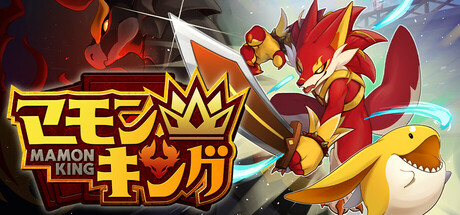
Strong emotional attachment to monsters: Players develop a deep sense of attachment to their monsters (Mamons) due to visible growth, customizable builds, and unique designs. The progression from raising a weak monster to a powerful one fosters a strong emotional connection, making the gameplay experience highly rewarding.
Common complaints
Combat lacks strategic depth: Players consistently criticize the combat system for being overly simplistic, repetitive, and reliant on luck rather than strategy. The absence of meaningful mechanics like positioning, hit rates, or damage indicators further diminishes engagement. Late-game battles devolve into damage races or luck-based evasion, reducing satisfaction and replayability.
Poor monster design and individuality: Monster designs are described as unappealing, inconsistent, and lacking variety. Stats max out too easily, reducing uniqueness, and the gacha-based summoning system feels uninspired. Players also note that monsters lack individuality due to shared skills and limited build diversity, making encounters feel repetitive.
Unbalanced and ineffective builds: Certain builds (e.g., evasion-focused) are rendered ineffective due to poor balancing, while others (e.g., high-durability) dominate. Players report frustration with probability-based mechanics like debuffs and status effects, which often fail or feel unfair. This limits strategic diversity and player agency.
Underutilized mechanics and UI issues: Key systems like the card and inheritance mechanics are underdeveloped, with limited evolution options and unclear rules. The UI is criticized for being unintuitive, dated, and tedious, with poor mouse/keyboard controls and missing features (e.g., stat displays during battles). These issues hinder accessibility and engagement.
Frustrating tournament and progression systems: Tournament difficulty is unpredictable, with steep difficulty spikes and unfair mechanics (e.g., far-expedition bosses appearing in regular tournaments). Progression feels punishing, as promoting too early can stall growth, and lower-rank tournaments are inaccessible. This creates a frustrating and unbalanced experience.
Gameplay and performance
Core monster-raising mechanics: The game revolves around raising, training, and battling monsters in tournaments, with a strong emphasis on inheritance, fusion, and lifespan management. Players strategize to maximize monster potential, inspired by classic titles like *Monster Farm*. The system is accessible but retains depth for long-term progression.
Gacha and summoning system: Monsters are acquired via gacha summoning, with rare characters influencing single-run strategies. Summon Portals and inheritance mechanics add layers to monster acquisition, though variability is limited by fixed skills for some monster types (e.g., Mamons).
Expeditions and tournaments: Expeditions provide resources and new cards, while tournaments serve as the primary progression system. Ranking up introduces stronger enemies and restricts participation, creating a structured challenge loop.
Mamon-specific mechanics: Mamons have fixed skills, limited lifespans, and training efficiency drops with age. They are consumed after one run, either as resources or for inheritance, adding a layer of strategy to their management. Training a Mamon to 'Mamon King' takes ~5 hours.
Quality-of-life features: Game speed adjustments, dialogue skipping, and animation fast-forwarding improve pacing. However, some mechanics (e.g., manual animation skipping) remain cumbersome, requiring repetitive inputs.
Stable performance with minor bugs: The majority of players report smooth gameplay with no critical bugs or performance issues, especially on portable devices. However, a few isolated incidents of crashes or freezes (e.g., during dice mechanics or specific in-game events) were noted, indicating room for optimization in edge cases.
Healing item display inconsistency: Some players observed that healing items occasionally fail to show their numerical effects, which could lead to confusion or miscalculations during gameplay. This is a minor but noticeable UI/UX issue.
Recommendations
Ideal for genre newcomers and fans: Players frequently recommend the game to beginners in the monster-raising genre or fans of similar games (e.g., Monster Farm). The accessibility, casual experience, and quick playtime per monster are cited as key strengths. This point is actionable for marketing and targeting specific audiences.
Strong value recommendation at low price: The majority of players highlight the game's strong value proposition, especially at lower price points (e.g., 900–2000 yen). Many recommend purchasing during sales or for its affordability, noting it provides solid enjoyment despite simplicity or minor flaws. This feedback is highly constructive and specific, focusing on concrete purchasing decisions.
Potential for sequels and updates: Several players express enthusiasm for sequels or additional content, indicating strong engagement. Some mention they would replay the game if updates add more depth or features. This feedback suggests opportunities for long-term player retention and expansion.
High praise with reservations: Some players describe the game as a 'masterpiece' or 'divine,' indicating exceptional satisfaction. However, this feedback is often tempered by reservations about simplicity or flaws, suggesting the game excels in specific areas but may not appeal universally. Based on limited high-praise feedback.
Minor UI/UX improvements suggested: Players provide specific, actionable feedback on minor but impactful improvements, such as binding the spacebar to a mouse button for skipping animations or adjusting volume settings. These suggestions are highly constructive and easy to implement.
Other review notes
Strong sequel anticipation: Many players express excitement for a future sequel, hoping for improvements like deeper combat mechanics, online multiplayer, and additional content. The developer's public plans for a sequel further fuel this sentiment.
Character attachment and charm: Players highlight the endearing support character 'Nami' and compare the game favorably to others like *Monfah* for fostering emotional connections with monsters. The quirky tone resonates with fans of the genre.
Gacha and unlock mechanics frustrations: Players criticize the gacha system for requiring multiple attempts to unlock all monsters, which feels tedious. Suggestions include streamlining unlocks or adding breeding benefits for monster lifespans.
Quality on a modest budget: The game is recognized for delivering a polished experience despite its 25 million yen budget. Players appreciate its value, especially at a discounted price point.
Minor technical and censorship issues: Players note minor flaws like text censorship and potential action-based programming limitations. These issues are not game-breaking but detract from the overall experience.