- Rich historical immersion, engaging and addictive gameplay
- Deep strategic complexity, character-driven gameplay
- Active developer support, unique concept
- Poor UI/UX design, unpolished and niche game
- Frustrating bandit mechanics, cumbersome micromanagement
- Highly recommended for niche historical appeal
Emotions
What players like:
Common complaints:
Gameplay feedback:
Performance notes:
Recommendations:
Other player notes:
Similar games
Blend with other games




Review evidence
Why players say this
Review evidence
Why players say this
What players like
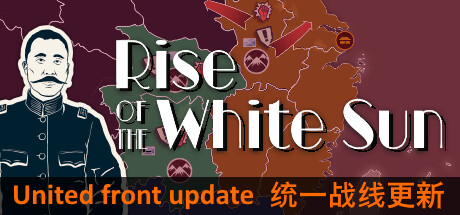
Rich Historical Immersion: The game is highly praised for its deep historical accuracy and immersive portrayal of the Chinese Warlord Era, a period rarely explored in video games. Players appreciate the detailed research, unique setting, and the ability to learn about this specific historical context.
Engaging & Addictive Gameplay: Reviewers find the game to be fun, engaging, and highly addictive, offering a rewarding experience despite its initial complexity. The gameplay loop and overall design contribute to a compelling and enjoyable experience that keeps players coming back.
Deep Strategic Complexity: The game offers a complex and deep strategic experience, focusing on the management of armies, provinces, and characters. Players appreciate that the game prioritizes strategic thinking over micromanagement, providing a challenging yet rewarding experience.
Active Developer Support: The developer is highly praised for their active engagement with the community, consistent updates, and dedication to improving the game. This responsiveness and commitment to development contribute significantly to the game's positive reception and future prospects.
Unique Concept & Potential: The game is recognized for its unique concept and innovative mechanics, particularly in its approach to resource management and character interactions. Reviewers see significant potential for future growth and improvement, indicating a strong foundation for continued development.
Common complaints
Poor UI/UX Design: The user interface is consistently described as messy, unintuitive, and cumbersome, making basic operations difficult and hindering player understanding. Many players found it frustrating to navigate menus and access information.
Unpolished and Niche Game: The game is perceived as unpolished, incomplete, and having subpar execution, with some comparing it unfavorably to other titles. It is considered niche and not suitable for all players due to its flaws and lack of meaningful gameplay.
Frustrating Bandit Mechanics: Bandit mechanics are highly frustrating due to their unrealistic speed, unsuppressable nature, and tendency to flee immediately upon engagement. This leads to tedious and ineffective bandit suppression efforts, disrupting gameplay flow.
Cumbersome Micromanagement: Managing multiple provinces, factions, and units becomes overly complex and tedious, especially in the mid to late game. The interface design exacerbates this issue, requiring excessive clicking and making it difficult to track information across regions.
Repetitive and Unchallenging Gameplay: After the initial stages, the game quickly becomes unchallenging and repetitive, leading to a lack of excitement and a feeling of 'garbage time'. The gameplay loop can become stale due to simplistic mechanics and easy objectives.
Gameplay and performance
Character-Driven Gameplay: The game features a character-centric system where players control historical figures with unique traits and loyalties. This adds depth through RPG elements, allowing for betrayals and complex faction dynamics.
Pervasive Bandit Mechanic: Bandits are a pervasive and central game mechanic, constantly appearing and posing a significant challenge. They interact with other systems like loyalty and desertion, making province management difficult due to their unpredictable nature and impact on stability.
Crucial Army Loyalty/Morale: Army loyalty and morale are critical mechanics, directly impacting unit performance, obedience, and the likelihood of desertion or rebellion. Low loyalty can lead to troops looting, refusing orders, or even defecting, emphasizing the importance of managing military pay and morale.
Complex Province Management: Province and district management is a core but often cumbersome aspect of the game, especially when controlling multiple territories. Players must manage local construction, bandit issues, and maintain control over key assets like railways and capitals.
Challenging Shanghai Scenario: The Shanghai Uprising scenario is particularly challenging, with unclear troop movement rules and difficulties in achieving objectives even with high influence. The scenario highlights the importance of political organization but often leads to frustrating outcomes.
Frame drops during messages: Players experience significant frame rate drops specifically when action result message boxes appear on screen. This issue disrupts gameplay flow and can be particularly noticeable during intense moments.
Recommendations
Highly Recommended Game: Many players highly recommend the game, praising its strategic depth and historical focus. Some reviews are general positive sentiments or expressions of enjoyment.
Niche Historical Appeal: The game is strongly recommended for players interested in modern Chinese history, particularly the Warlord Era, and those who enjoy deep historical strategy or role-playing experiences.
Strategic Gameplay Tips: Players provide specific strategic advice for in-game challenges, such as recommended army compositions for dealing with bandits and methods for political maneuvering and crisis management.
Multiplayer Mode Request: Players frequently request the addition of a multiplayer mode, including hotseat, to enhance replayability and dynamic interactions.
End-Turn Report Suggestion: A player suggests implementing an end-turn report for large factions to provide clarity on AI-managed character actions.
Other review notes
Desire for New Content: Players are eager for new content, including DLCs, scenarios, historical figures, and factions, to expand the game's replayability and historical scope. There's also a desire for features like custom character/faction creation and workshop integration.
Simplistic Visuals: The game's visual presentation, including UI, textures, and assets, is frequently described as simplistic, crude, or resembling older flash games. This suggests a need for graphical improvements.
Similar to Other Simulations: The game is compared to other historical simulation titles like 'Mao's Legacy' and 'Crisis in the Kremlin,' particularly in its focus on modern Chinese history. It's noted for having a stronger economic simulation aspect.
Quality of Life Features: Players suggest quality-of-life improvements such as adding more hotkeys for efficiency and implementing an in-game load function to avoid returning to the main menu.
Pricing Concerns: Some reviewers feel the game's price is too high for its current state, especially after experiencing significant price drops post-purchase. This indicates concerns about value for money.