- Polished and immersive gameplay experience
- Best Total War game in the franchise
- Distinct and balanced clans mechanics
- AI cheats and unfair behavior issues
- Broken diplomacy system frustrates players
- Frequent crashes and stability problems occur
Emotions
What players like:
Common complaints:
Gameplay feedback:
Performance notes:
Recommendations:
Other player notes:
Similar games
Blend with other games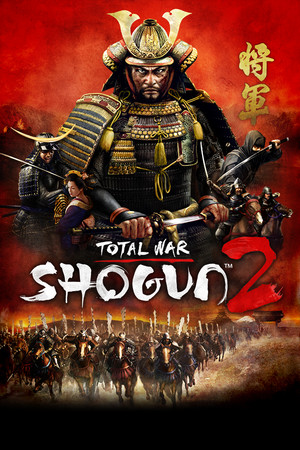 90%Total War: SHOGUN 2
 84%Total War: THREE KINGDOMS
 83%Rome: Total War™ - Collection
 81%Mount & Blade II: Bannerlord
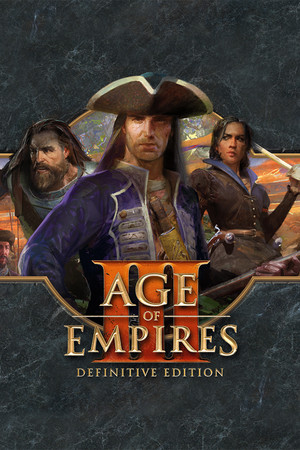 81%Age of Empires III: Definitive Edition
 80%Ancient Warfare: The Han Dynasty
 80%Age of Empires IV: Anniversary Edition
 80%Crusader Kings II
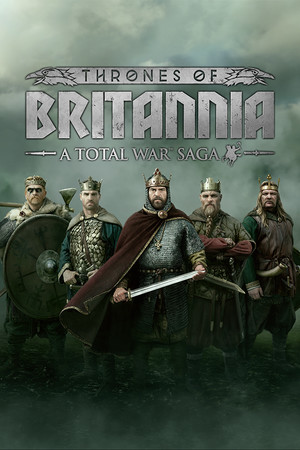 79%A Total War Saga: THRONES OF BRITANNIA
 79%Heroes' Vow: Three Kingdoms
 78%Crusader Kings III
 78%ROMANCE OF THE THREE KINGDOMS XIV
Review evidence
Why players say this
Review evidence
Why players say this
What players like
Polished and immersive gameplay: The game is widely praised for its smooth, refined, and deeply satisfying gameplay, with tight tactical battles and a well-balanced pace. Players highlight its elegance, precision, and ability to remain engaging even after years.
Best Total War game in franchise: Many reviewers consider this the pinnacle of the Total War series, citing its near-perfect blend of turn-based strategy and real-time battles, historical respect, and unmatched replayability. It is often called the best or most polished entry.
Distinct and balanced clans: Each clan offers unique strengths, playstyles, and bonuses, adding variety and strategic depth. The balance between clans ensures diverse and replayable campaigns without overpowering any faction.
Fall of the Samurai DLC excellence: The Fall of the Samurai expansion is frequently cited as one of the best DLCs in gaming, introducing gunpowder warfare, steamships, and a fresh take on the era. It enhances replayability and tactical variety.
Superior mechanics to newer titles: Many players argue that its mechanics, such as clan management, unit balance, and tactical battles, are more refined and enjoyable than those in newer Total War games like Warhammer 3 or Empire.
Common complaints
AI Cheats and Unfair Behavior: The AI frequently cheats by spawning overpowered units (e.g., 'Maō Zedong 5-level armies') without economic support, exhibits anti-player bias, and employs illogical tactics (e.g., sending archers to die). This undermines gameplay balance and fairness, particularly in battles and diplomacy.
Broken Diplomacy System: Diplomacy is inconsistent, unpredictable, and often illogical, with AI factions frequently breaking agreements or declaring war regardless of player actions. This frustrates long-term campaign planning and immersion.
Poor Siege Mechanics and Design: Siege battles suffer from unrealistic castle designs, limited destruction, and ineffective defensive walls. AI struggles with siege logic, further reducing immersion and tactical depth.
Limited Faction and Unit Diversity: The base game lacks unique faction units and strategies, with repetitive unit rosters (e.g., over-reliance on Yari Ashigaru) and minimal differentiation between factions. This reduces replayability and tactical depth.
Frequent Crashes and Stability Issues: The game suffers from persistent crashes, especially on modern systems, during campaigns, battles, and even at startup. These issues render the game unplayable for many users, regardless of hardware or patches applied.
Gameplay and performance
Hybrid turn-based and real-time strategy: The game combines turn-based empire management on a campaign map with real-time tactical battles, offering a layered strategy experience. Players make strategic decisions each turn while engaging in dynamic combat scenarios.
Historical feudal Japan setting: The game is set in feudal Japan, particularly during the Sengoku Jidai, Gempei Wars, and Meiji Restoration eras, featuring samurai, ninjas, and other period-specific units and mechanics.
Deep diplomacy and clan systems: Players engage in complex diplomacy, including alliances, vassal management, and political marriages, alongside managing clan intrigues, family trees, and faction-specific bonuses.
Tactical battle mechanics: Battles emphasize terrain, morale, unit matchups (e.g., rock-paper-scissors), and formations like the Yari Wall. Players must leverage positioning, flanking, and unit abilities for victory.
Naval combat and sieges: The game includes naval battles with ship management, boarding tactics, and bombardment, alongside land sieges with castle defense and assault mechanics.
Frequent crashes on modern systems: The game crashes or fails to launch on newer hardware, including Windows 11, high-end PCs, and Mac devices with M-series chips. Issues are linked to architecture incompatibility and missing dependencies like older C++ versions.
Hardware-specific workarounds: The game may require launching directly from the game folder or running in windowed mode to avoid crashes. Some users report needing better graphics cards than advertised.
Loading issues and glitches: Users experience long loading times, glitches during loading scenes, and extended delays after crashes. Some report hangs during installation.
Sound and menu technical bugs: Sound stuttering occurs even on high-end rigs, while menu options (e.g., single-player campaigns) are grayed out due to technical issues, limiting functionality.
Mod and multiplayer instability: Mod compatibility issues and conflicts with mod managers are common. Multiplayer sessions suffer from crashes, incompatibility between macOS/Windows, and general instability.
Recommendations
Ideal for strategy and history fans: The game is highly recommended for strategy game enthusiasts, fans of Japanese culture, and those interested in historical settings. It offers deep tactical gameplay and province management, making it a standout for the genre.
Best entry point for Total War series: This game is widely regarded as the best starting point for newcomers to the Total War franchise due to its accessible mechanics and strong gameplay. Veterans also praise it as one of the series' strongest entries.
Highly recommended despite flaws: Many players strongly recommend the game for its depth, replayability, and multiplayer competitiveness, even though it has some technical issues or minor flaws.
DLCs enhance the experience: The Fall of the Samurai DLC and other major DLCs are frequently recommended as must-buys for adding modern battles, unique factions, and overall value to the game.
Technical issues may deter players: Several reviews advise against purchasing the game until online functions, crashes, and sound issues are fixed, as these can significantly impact gameplay.
Other review notes
Modding support highly valued: Players frequently discuss detailed mod installation, troubleshooting, and community templates, indicating strong engagement with modding. This suggests the game’s modding ecosystem is a major draw for long-term playability.
Historical setting enhances immersion: The 16th-century feudal Japan setting (Sengoku Jidai) and attention to historical parallels (e.g., Opium Wars) are praised for enriching the game’s strategic and narrative depth.
Expansion suggestions for regions: Players express interest in expanding the game’s scope to include additional historical regions like Korea, China, and Eastern Russia, reflecting a desire for broader strategic depth.
Localization issues reported: Language localization problems are noted, which may hinder accessibility for non-English speakers or disrupt immersion for players relying on translated content.
Modding impact on multiplayer: Discussions note how modern Creative Assembly (CA) policies affect multiplayer and modding communities, suggesting these aspects are critical to player satisfaction.