- Immersive visuals, sound design, strategic battles.
- Streamlined Total War gameplay, focused experience.
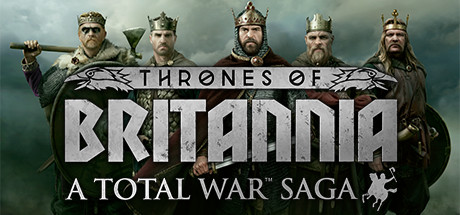
- Engaging, immersive Viking-era historical setting.
- Tedious loyalty system detracts from gameplay.
- Limited scope, content, and replayability.
- Poor AI, unfair army spawning, technical instability.
What players like:
Common complaints:
Gameplay feedback:
Performance notes:
Recommendations:
Other player notes:
Similar games
Blend with other games 85%Total War: PHARAOH
 83%Mount & Blade: Warband - Viking Conquest Reforged Edition
 83%Rome: Total War™ - Collection
 82%Ancient Warfare: The Han Dynasty
 82%Mount & Blade II: Bannerlord
 82%Crusader Kings II
 82%Hegemony III: Clash of the Ancients
 82%Mount & Blade: Warband
 82%Field of Glory: Kingdoms
 81%Total War: THREE KINGDOMS
 81%Imperator: Rome
 81%Kingdom, Dungeon, and Hero
Review evidence
Why players say this
Review evidence
Why players say this
What players like
Immersive visuals and sound design: The game features immersive visuals, a well-designed map, and excellent sound design that enhances the historical setting. The atmosphere effectively captures the essence of the Viking Age and Dark Age Britain, making the game captivating.
Engaging, strategic battles and sieges: Battles are engaging due to strategic army placement, realistic formations, and satisfying combat mechanics. Sieges are a highlight, featuring varied fortress designs and ample room for maneuver. The game rewards tactical thinking and careful resource management.
Streamlined, focused Total War gameplay: The game streamlines Total War gameplay by reducing micromanagement and supply line penalties. It offers a more focused and faster-paced experience, while still retaining the core elements of the series. This makes it accessible and enjoyable for players seeking a more direct strategic experience.
Enjoyable, immersive historical experience: The game is enjoyable, especially for those interested in the historical period it's set in. It provides a captivating and immersive experience, with a well-done economic system and engaging historical basis.
Strategic recruitment and territory systems: The game features a strategic recruitment system that requires careful planning and resource management. Unit replenishment takes time, making army losses impactful and encouraging diverse army compositions. The territory system adds depth to construction and economic decisions.
Common complaints
Limited scope, content, replayability: The game is criticized for its limited scope, including a small map, reduced unit variety, and a lack of overall content compared to other Total War titles. Many reviewers feel it resembles a DLC or a simplified version of previous games, such as Attila: Total War, rather than a full-fledged release. This limited scope impacts replayability and overall enjoyment for veteran players.
Tedious, frustrating loyalty system: The loyalty system is a major source of frustration, requiring constant micromanagement and gold expenditure to maintain the loyalty of generals and governors. The mechanics surrounding loyalty, such as granting estates and managing influence, feel tedious and out of place, often leading to civil wars and rebellions. This system detracts from the overall strategic gameplay and makes the game feel like a "Civil War Simulator."
Unfair AI army spawning: The AI's ability to spawn numerous armies, often behind player lines, and its tendency to target undefended settlements creates a frustrating and unbalanced experience. Random campaign events and rebellions further disrupt the gameplay, making it difficult to progress and maintain a stable empire. These issues contribute to a sense of artificial difficulty and detract from strategic decision-making.
Technical issues, instability: The game suffers from various technical issues, including frequent crashes, performance problems, and bugs that can disrupt gameplay. These issues make the game feel unpolished and unstable, detracting from the overall experience. The short update lifespan and lack of quality-of-life improvements further exacerbate these problems.
Lacks key historical elements: The game is criticized for lacking key historical elements, such as a religion system and significant historical events like the Battle of Hastings. The absence of these features detracts from the game's immersion and historical accuracy, making the setting feel less engaging. Some reviewers also feel the game's focus on the British Isles is too similar to Attila, leading to a sense of repetition.
Gameplay and performance
Unique, strategic unit recruitment: The game features a unique recruitment system where units are instantly available but start with reduced strength, replenishing over time. This system affects army composition and encourages strategic decision-making, as players must balance immediate needs with long-term unit effectiveness. This system was later used in Warhammer 3 for demon recruitment.
Limited unit variety/diversity: Unit variety is limited, with many units being cosmetic variations and lacking distinct faction-specific traits. This homogenization reduces strategic depth and makes factions feel less unique compared to previous Total War titles. The game also loses unique features from Rome 2 and Attila.
Focused, detailed historical setting: The game is set in the British Isles during the Viking Age, offering a more focused and detailed historical experience compared to other Total War games. The map is scaled to a decent size, but the scope is smaller, limiting technological advancements and troop diversity. The game also allows you to start a new campaign as Wessex, the Welsh, Scotland or even the Vikings.
Simplified internal politics: The game features internal politics and character loyalty mechanics, requiring players to manage nobles, distribute estates, and prevent rebellions. However, the impact of these mechanics can feel superficial, with estates lacking inherent value and the system feeling like pointless busywork. Nobles require conquered lands (estates) to remain loyal.
Crucial resource management: Resource management (Gold, Food, Loyalty, Supplies) is crucial for maintaining faction stability. Balancing these resources directly impacts the kingdom's stability, requiring players to carefully manage their economy and internal affairs. All units cost 10 food to recruit, requiring players to develop farms before building large armies.
Inconsistent performance and optimization: The game's performance and optimization are mixed. While some players report smooth gameplay and optimized performance, especially compared to 'Attila: Total War,' others experience crashes, lag, and FPS drops, particularly during large battles or on specific maps. Some reviewers note that the game runs well even on lower-end hardware.
Game crashes randomly: Several reviews mention random crashes that interrupt gameplay. This is a critical issue that directly impacts the player experience and should be addressed.
Slow turn times: Some players are experiencing long turn times, which can interrupt the flow of gameplay. This is a specific, actionable issue that impacts the player experience.
Broken achievements: Some players have reported that achievements are not working as intended. This is a specific issue that detracts from the player experience.
Wants more detailed mountains: One reviewer expresses a desire for more detailed and impressive mountain ranges, similar to those in 'Warhammer,' particularly for the 'Three Kingdoms' setting. This is a specific suggestion for enhancing the game's visual appeal and world-building.
Recommendations
Buy only on sale: A common sentiment is that the game is only worth purchasing at a significant discount due to perceived shortcomings or lack of content for the full price. Many suggest waiting for a sale before buying, with specific price points mentioned.
Recommended for series/era fans: Many reviewers recommend the game, especially to Total War fans interested in the specific historical setting. Some suggest it's a good entry point for newcomers or those seeking a more focused experience. However, opinions vary, with some considering it among the best or worst in the series.
Alternatives offer better experience: Several reviewers suggest that other Total War titles, particularly Attila, Rome 2, or Shogun 2, offer a better or more complete experience. Some feel this game lacks depth or is too similar to Attila, recommending those games instead.
Underrated; try with open mind: Some reviewers feel the game is underrated or that initial negative reviews are no longer accurate. They see potential in the game's mechanics and encourage players to try it, especially with an open mind.
Extremely negative, lacks detail: Some reviews express strong negative opinions, calling the game "garbage" or a "pathetic TW game". These reviews often lack specific details and may be examples of review bombing.
Other review notes
Engaging Viking-era historical setting: The game is set in medieval England during the Viking invasions and focuses on internal conflicts and cultural struggles. Many reviewers appreciate the historical setting and art style, drawing comparisons to Viking dramas and historical texts. However, some suggest that the historical aspects could be further exploited.
Built on Attila Total War engine: The game is built on the same engine as Attila: Total War. This has implications for both performance and gameplay, with some reviewers noting similarities in the main menu theme and overall feel.
Limited province customization options: The game features province customization through major town buildings and minor village development paths. However, province customization is extremely limited, and province edicts are nonexistent.
Thematic but indistinct art style: The game employs a distinctive stained-glass art style. While thematic and visually appealing, this art style can make it difficult to quickly differentiate units based on their icons during gameplay.
Missing historical battles: The game lacks historical battles, a feature present in many other Total War titles. The presence of a button for historical battles in the main menu suggests that they may be added in a future update, but their absence is noted.