- Emotionally profound and impactful storytelling
- Immersive soundtrack enhances emotional experience
- Memorable, relatable characters drive connection
- Repetitive and grindy gameplay loop frustrates
- Slow pacing may bore action-oriented players
- Technical issues and bugs disrupt immersion
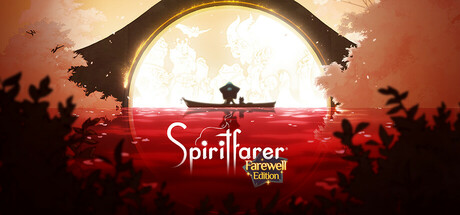
Emotions
What players like:
Common complaints:
Gameplay feedback:
Performance notes:
Recommendations:
Other player notes:
Similar games
Blend with other games
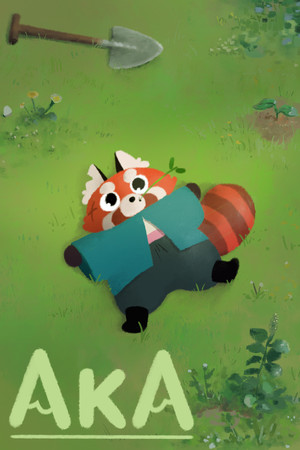
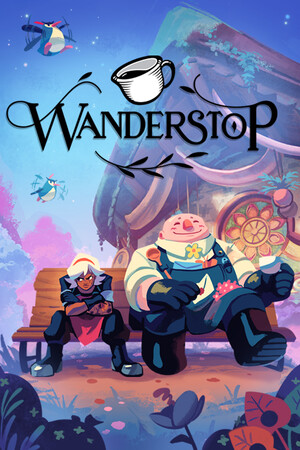


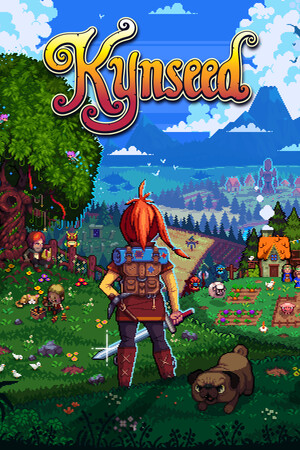


Review evidence
Why players say this
Review evidence
Why players say this
What players like
Emotionally profound storytelling: The game excels in delivering a deeply emotional narrative centered on themes of love, loss, and life’s inevitabilities. Players consistently highlight the touching, nuanced, and impactful storytelling that resonates on a personal level, often evoking strong emotional reactions like grief and reflection.
Immersive soundtrack and music: The soundtrack is highly praised for enhancing the game’s emotional and atmospheric tone. The music adapts seamlessly to scenes, elevating moments of joy, sadness, and reflection, and contributing to the overall immersion.
Memorable and relatable characters: Characters are well-developed, unique, and emotionally resonant, with players forming strong attachments to their stories and arcs. The depth and authenticity of character interactions make them a standout feature of the game.
Beautiful art and animation: The hand-drawn art style, fluid animations, and cohesive visual design are frequently praised for their beauty and attention to detail. The visuals enhance immersion and complement the game’s emotional tone, creating a visually stunning experience.
Masterful game design and polish: The game demonstrates exceptional attention to detail, from its seamless integration of art, music, and narrative to its well-balanced gameplay mechanics. Players highlight the high level of craftsmanship and care put into its creation.
Common complaints
Repetitive and grindy gameplay loop: Players consistently report that the gameplay becomes repetitive, grindy, and tedious, particularly in the mid-to-late stages. Tasks like resource gathering, fetch quests, and repetitive animations contribute to a lack of engagement and frustration.
Slow and unengaging pacing: The game's pacing is criticized for being overly slow, with excessive travel times, long animations, and drawn-out quests. This makes the experience feel tedious and uninspiring, particularly in the later stages.
Lack of challenge for action-oriented players: The game is not suitable for players seeking fast-paced, action-packed, or challenging gameplay. Its relaxed pace, lack of combat mechanics, and repetitive tasks may alienate those looking for more intensity or variety.
Frustrating NPC and spirit interactions: NPCs and spirits are often described as demanding, ungrateful, or annoying. Their interactions feel mechanical, lack meaningful contributions, and can detract from the overall experience, particularly when they pester the player.
Emotionally heavy and depressing tone: The game's themes of grief and character departures are emotionally challenging for many players. While some appreciate the bittersweet tone, others find it overwhelming, depressing, or unsuitable for their preferences.
Gameplay and performance
Resource gathering and crafting system: Players engage in resource gathering (e.g., mining, fishing, farming) and crafting (e.g., smelting, cooking, weaving) through minigames and production mechanics. These systems are central to gameplay and tied to progression.
Spirit care and afterlife guidance: A core mechanic involves interacting with spirits, fulfilling their last wishes, and helping them cross over to the afterlife. This includes mood management, cooking their favorite foods, and completing quests tied to their emotional needs.
Mini-games and character quests: The game features mini-games tied to resource gathering, crafting, and narrative themes. Players complete quests and tasks for characters, often involving platforming or interactive sequences.
Exploration and open-world design: Players explore a wide world via ship-based travel, unlocking new areas through upgrades and discovering hidden triggers, resources, and collectibles. Exploration is tied to narrative and progression.
Management and farming sim elements: The game blends management sim mechanics (e.g., resource allocation, NPC care) with farming and crafting. Players balance tasks like cooking, farming, and mood management in a non-overwhelming way.
Highly optimized for low-end hardware: The game is praised for running smoothly on low-end PCs, old notebooks, and even outdated consoles like the PS1. This makes it accessible to a broader audience with limited hardware capabilities.
Control and input responsiveness issues: Multiple reports highlight control problems, including unresponsive inputs, controller connectivity issues (especially on Steam), and bugs in co-op mode. Some players must forcefully close the game due to frozen inputs.
Frequent game freezes and crashes: Players experience freezes during specific actions (e.g., building mode) and crashes on platforms like Mac. Interface freezing and progress bar disappearances are also reported.
Persistent in-game bugs and glitches: Players report recurring bugs, such as characters getting stuck in corners and minor issues requiring game reloads. Some bugs have persisted since 2021, indicating unresolved technical debt.
Co-op and camera-related issues: Co-op mode suffers from camera bugs and control inconsistencies, disrupting multiplayer experiences. These issues are specific to collaborative gameplay.
Recommendations
Overwhelmingly positive recommendations: The game receives high praise for its emotional depth, storytelling, and relaxing gameplay. Many reviewers strongly recommend it for fans of narrative-driven and cozy experiences, often calling it one of their favorite games.
Ideal for casual and patient players: The game is praised for its slow-paced, relaxing, and low-stakes gameplay, making it suitable for players who enjoy unhurried, story-driven experiences rather than action-packed ones.
Aesthetic and nostalgic appeal: The game's art style, music, and storytelling are frequently compared to Studio Ghibli or Miyazaki anime, evoking a warm, nostalgic, and comforting experience.
Best played at a discount: While many recommend the game, some suggest waiting for a sale due to its niche appeal or pricing concerns, particularly in regions like Brazil.
Unique blend of management and narrative: The game stands out for combining cozy management gameplay (e.g., farming, crafting) with a deeply emotional narrative, appealing to fans of games like Stardew Valley.
Other review notes
Sensitive themes may trigger players: The game covers heavy topics like mental illness, death, and loss, which may not be suitable for players with depression or poor mental health. Players should approach it with caution.
Achievement and gameplay tips: Players share specific strategies for unlocking achievements, such as fishing with the mushroom character or avoiding interactions with Elena. These tips enhance gameplay efficiency.
Spirit Flowers as memories: The Spirit Flowers in the game symbolize memories of departed spirits, adding emotional weight to the narrative and gameplay mechanics.
Indie game passion over profit: The game is perceived as a passion project rather than a commercial product, reflecting the indie game ethos of prioritizing creative ideas over financial gain.
Affordable with high content value: Players highlight the game's significant content relative to its low price point, often purchased for less than $5, making it a great value.