- Expansive, detailed world with nostalgic elements.
- Engaging, skill-based combat system.
- Deep character customization and builds.
- Generally recommended; enjoyable gameplay loop.
- Clunky, difficult, and unpolished combat.
- Repetitive, uninspired quest design.
What players like:
Common complaints:
Gameplay feedback:
Performance notes:
Recommendations:
Other player notes:
Similar games
Blend with other games





Review evidence
Why players say this
Review evidence
Why players say this
What players like
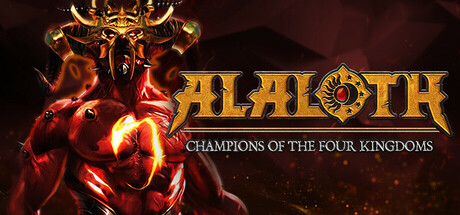
Expansive, detailed, nostalgic world: The game features a large, detailed world with a retro RPG aesthetic reminiscent of Baldur's Gate, Pillars of Eternity, and other classic titles. It boasts unique locations, extensive lore, and a day/night cycle, creating an immersive and nostalgic experience for fans of old-school RPGs.
Engaging, skill-based combat system: The game features engaging, skill-based combat, often compared to Souls-like games, but with its own unique isometric twist. Players must utilize dodging, parrying, and strategic maneuvers to succeed, with satisfying feedback and a balanced challenge.
Deep character customization and builds: The game offers a high degree of character customization and build variety, allowing players to experiment with different skills, abilities, and playstyles. The game also features unique items and loot to further enhance character builds.
Meaningful companion system: Companions play a key role in the game, providing valuable support in battles and adding depth to the gameplay experience. Players can recruit companions with different alignments and abilities, and even play co-op with friends.
Active development and updates: The developers are actively supporting the game with frequent updates, new content, and bug fixes, demonstrating a long-term commitment to improving the player experience. This dedication has resulted in significant improvements since the game's initial release.
Common complaints
Clunky, difficult, and unpolished: The game is criticized for being clunky, janky, and unpolished, with a steep learning curve and a slow start. Combat is often described as difficult and unforgiving, with repetitive enemy attack patterns and a lack of clear guidance or tutorials. The game's difficulty can be unbalanced, with the early game being overly punishing and later stages becoming trivial.
Repetitive, uninspired quest design: The game suffers from repetitive and uninspired quest design, often involving simple fetch or kill tasks with minimal player agency or meaningful rewards. Many quests lack clear direction or map markers, and the quest log is poorly organized, leading to player frustration and a lack of engagement with the game world. The story is generic and delivered through walls of text from nameless NPCs.
Empty, generic world; uninspired story: The game world feels empty and generic, with a lack of interesting content and repetitive environments. The story and lore are uninteresting and fail to engage the player, with excessive amounts of text that feel like filler. The game also suffers from excessive backtracking and a lack of clear direction, leaving the player unsure of where to go and why.
Restrictive inventory, repetitive dungeons: Inventory management is restrictive and cumbersome, with limited inventory slots and the inability to access the inventory during combat or in dungeons. Dungeons are small and repetitive, with a linear structure and limited exploration. These restrictions add unnecessary busywork and disrupt the flow of the game.
Punishing death and durability mechanics: The game features punishing death mechanics, with penalties such as time penalties, equipment damage, and the loss of items. The durability system is also poorly implemented, requiring frequent equipment repairs and adding unnecessary busywork to the gameplay. These mechanics can lead to frustration and discourage exploration.
Gameplay and performance
Isometric, real-time, Souls-like combat: The game features isometric, real-time combat with a focus on melee, drawing inspiration from both Souls-like games (parrying, dodging, stamina-based combat) and classic CRPGs like Baldur's Gate. The combat system emphasizes strategic thinking, timing, and player skill, with a mix of active abilities and character stats. The game also incorporates elements of Diablo-like ARPGs.
Recruit companions with alignment restrictions: The game features a companion system where players can recruit up to 4 companions with varying alignments and personal questlines. However, the number of companions that can join combat is limited, and some reviewers found the system poorly explained. Alignment affects which companions can be recruited.
Competitive and solo game modes: The game features a competitive mode where players race against AI-controlled champions to complete the main quest. Defeating rival champions grants access to their unique equipment. There is also a single-player mode with more time for questing and exploration.
Extensive lore, dialogue-heavy narrative: The game features a story told through NPC interactions and environmental storytelling, with a focus on lore. Some reviewers found the amount of lore and dialogue overwhelming, leading them to skip through it. The narrative is presented through codex entries found throughout the world.
Tactical combat, predictable enemy AI: Combat involves tactical decision-making, timing, and exploiting enemy AI. Some reviewers found the enemy AI predictable, with regimented attack patterns. Combat is restricted to specific areas, requiring players to defeat all enemies or die.
Solid performance and optimization: The game generally exhibits good optimization, running smoothly on various PC configurations, including the Steam Deck. Some reviewers noted exceptional performance even on lower-end hardware. Fast loading times further contribute to the positive technical experience.
Excellent Steam Deck/ROG Ally support: The game is highly compatible with the Steam Deck and Asus ROG Ally, providing a seamless handheld gaming experience. Reviewers specifically praised the game's performance on these devices, indicating a well-optimized port.
Customizable and complete control options: The game offers comprehensive control options, including fully rebindable keyboard and mouse controls, controller support, and correct on-screen prompts. This allows players to customize their experience and ensures accessibility across different input methods.
Good visual clarity and skippable cutscenes: The game avoids headache-inducing visual effects and maintains good on-screen readability. While in early access, any bugs encountered are not game-breaking, and pre-rendered cutscenes are skippable.
Frequent loading screens: The game's hub-based structure results in frequent loading screens, even for simple transitions. This can disrupt the flow of gameplay and become a minor annoyance for players.
Recommendations
Generally recommended; enjoyable gameplay loop: Many reviewers recommend the game, citing its potential, enjoyable gameplay loop, and unique blend of RPG and Souls-like elements. Some describe it as a hidden gem or a labor of love, while others highlight its addictive qualities and the desire to explore its world. The game is considered a worthwhile experience for fans of the genre.
Recommended for niche audiences: The game is recommended for specific audiences, such as fans of classic RPGs, Souls-like games, or those seeking a challenging experience. Some reviewers suggest that casual players or those looking for a traditional co-op experience may not enjoy the game. Some reviewers recommend the game to fans of Stranger Things and D&D.
Hope for future improvements: Many reviewers express hope for future updates and improvements to the game, acknowledging its potential and the developers' efforts. They look forward to seeing how the game evolves and expands over time. This point reflects optimism about the game's future.
Only worth buying on sale: Several reviewers suggest that the game is only worth buying on sale due to its shortcomings or in comparison to other games on the market. Some reviewers feel the game is overpriced for what it offers. This point is about value for money.
Co-op mode is actually PvP: The game's co-op mode is actually PvP, which may disappoint players expecting a cooperative experience. This point warns players about a potential misunderstanding regarding the game's multiplayer features.
Other review notes
Extensive but inconsistent lore: The game features extensive lore, accessible through a codex and in-game notes. However, some reviewers find the lore inconsistent in quality, with some parts being dull or generic, and lacking voice overs.
Requests for language localization: Several reviewers have requested language support for specific regions (Czech, Brazil, Taiwan/China). The lack of these localizations may limit the game's accessibility and appeal in those markets.
Sekiro-like leveling system: The leveling system is similar to Sekiro, requiring clearing a single dungeon to gain a single 'level up' point.
Weight/encumbrance system present: The game features a weight system that requires players to manage their inventory and stash unused items to avoid being encumbered.
AI-generated content: The game's content uses AI for voice overs and designs.