- Strong concept, initially fun evil god gameplay
- Unfinished, shallow, and abandoned game state
- Simplistic villager AI, unbalanced repetitive abilities
- Deep villager manipulation, cults, afflictions
- Numerous persistent bugs, poor confusing UI
- Wait for sales or significant updates
Emotions
What players like:
Common complaints:
Gameplay feedback:
Performance notes:
Recommendations:
Other player notes:
Similar games
Blend with other games





Review evidence
Why players say this
Review evidence
Why players say this
What players like
Strong Concept & Initial Fun: Players consistently praise the game's unique concept and initial promise, finding it fun and engaging for several hours. The game is noted for its strong foundation, creative systems, and ongoing development with regular updates and UI improvements, leading to a generally positive early experience.
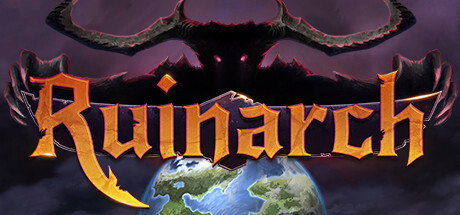
Engaging Evil God Gameplay: A core appeal of the game is the ability to play as an evil, manipulative entity, offering diverse and creative ways to torment villagers and destroy communities. Players enjoy the sandbox nature, the emergent storytelling, and the unique satisfaction of orchestrating chaos through various indirect and direct methods, from spreading plagues to inciting affairs.
Creative Plague & Affliction Systems: The plague and affliction systems are highlighted as particularly enjoyable and well-designed mechanics. Players appreciate the creativity and customization options available within these systems, finding them to be among the most entertaining aspects of the game.
Good Language Localization: The game's localization into multiple languages, specifically Japanese and Spanish, is noted and appreciated by players. This indicates a positive effort in making the game accessible to a wider audience.
Difficulty May Be Too Easy: Feedback indicates that the game's difficulty has been adjusted, with some players finding it a bit too easy now. This suggests a potential need for rebalancing to provide a more challenging experience.
Common complaints
Unfinished, shallow, and abandoned: Players consistently report that the game feels unfinished, lacks content, and offers shallow, repetitive gameplay. Many believe it was released prematurely and subsequently abandoned by developers, leading to a poor value proposition for its price.
Villager AI is simplistic: The AI of villagers is criticized for being robotic, lacking meaningful interaction, and often leading to self-destructive behavior. This diminishes the strategic depth and the feeling of being an impactful villain.
Unbalanced and repetitive abilities: The game's spell and ability system is unbalanced, with a few overpowered options making other abilities redundant. This leads to repetitive gameplay loops and a lack of strategic variety.
Poor and confusing UI: The user interface is frequently described as unclear, cumbersome, and visually unpolished, making it difficult for players to navigate and understand important game mechanics.
Numerous and persistent bugs: Players report a significant number of bugs, which can accumulate over longer play sessions, negatively impacting the overall game experience.
Gameplay and performance
Deep Villager Manipulation: Players highly value the deep and sophisticated villager interaction system. The ability to manipulate individual personalities, relationships, and secrets to sow discord and chaos is a core appeal, allowing for creative and indirect methods of destruction.
Cults & Affliction Mechanics: A significant aspect of the game involves establishing and growing cults, as well as spreading various afflictions like vampirism, lycanthropy, and zombification. This allows players to convert villagers into minions or transform them into monstrous entities.
Villager Extermination Focus: The primary objective often revolves around destroying or subverting all villagers, using a variety of destructive tools and powers. This includes direct attacks, plagues, and environmental hazards to achieve the goal of total annihilation.
Threat Level & Retaliation: The game features a 'threat level' system that increases with player actions, leading to retaliation from villagers or external forces. This mechanic adds a strategic layer, requiring players to manage their visibility and impact to avoid overwhelming opposition.
Monster & Demon Deployment: Players can deploy and manage various monsters and demons to carry out their will, including stealing villagers, attacking settlements, and causing general mayhem. Recent updates have improved the ability to field larger groups of these minions.
Stable performance, few bugs: Players report minimal technical issues, with very few crashes or significant bugs encountered during gameplay. This suggests a generally stable game experience.
Charming graphics: The game's visual style is frequently praised for being aesthetically pleasing and comfortable to look at for extended periods.
Low system requirements: The game is noted for its low system requirements, allowing it to run smoothly even on older or less powerful computers.
Recommendations
Wait for sale/updates: Many players do not recommend buying the game at full price in its current state, suggesting it's better to wait for a sale (around $5-$15) or for further development. Expectations should be managed as the game is not yet complete.
Appeals to villainous playstyle: The game is highly recommended for players who enjoy being a villain, creating misfortune, or fulfilling sadistic fantasies. It appeals to those who like the concept of an 'evil godsim' or 'anti-colony' game.
Limited content/playtime: The game offers limited content, providing about 10-20 hours of gameplay. While some find it fun for a short period, others hope for more long-term content and a longer format in the future.
Casual/experimental gameplay: The game is recommended for casual players looking to kill time, experiment, or set their own objectives. Players should be comfortable with a less-than-optimal experience.
Unique and enjoyable experience: Despite some criticisms, a segment of players found the game to be fantastic, unique, and highly enjoyable, with some even calling it their favorite.
Other review notes
Premature release, Early Access feel: Many players feel the game was released prematurely and is still in an Early Access state, lacking content and polish expected from a full release. This perception is strong despite the game's official release.
Potential for future development: Despite current shortcomings, players acknowledge the developers' dedication and the game's potential. There's hope for future improvements, with some noting positive changes since initial reviews and an ambitious roadmap.
Unique 'Inverse Rimworld' concept: The game is frequently compared to 'Rimworld' and 'Dwarf Fortress', often described as an 'inverse Rimworld' where the player acts as the antagonist or random event generator. This comparison highlights its unique premise but also sets high expectations.
Mixed localization status: Localization efforts are mixed; Japanese localization is mostly complete, but Chinese localization is planned for later. There were initial issues with Japanese support that have since been resolved.
Inspiration from other games: Some players express a desire for other developers to revisit the game's core idea or suggest drawing inspiration from similar titles like Norland and Songs of Syx to improve the experience.