- Innovative 3D dungeon building mechanics
- Charming art style with humor elements
- Active and responsive developer updates
- Buggy and unpolished gameplay experience
- Limited and confusing mechanics design
- Frequent crashes and instability issues
Emotions
What players like:
Common complaints:
Gameplay feedback:
Performance notes:
Recommendations:
Other player notes:
Similar games
Blend with other games




Review evidence
Why players say this
Review evidence
Why players say this
What players like
Innovative 3D Dungeon Building: The game introduces multi-layered dungeon construction with verticality, cave-ins, and hydraulics, adding complexity and creativity to the gameplay. This feature is frequently highlighted as a unique and engaging twist on traditional dungeon management.
Solo Developer Achievement: The game is celebrated for being primarily developed by one person, showcasing impressive scope, quality, and innovation. Players admire the developer's dedication and the game's ability to compete with larger studio productions.
Active and Responsive Development: The developer is praised for consistent updates, community engagement, and transparency. Players appreciate the long-term dedication, bug fixes, and implementation of community suggestions, which enhance the game's quality and longevity.
Charming Art and Humor: The game's unique art style, dark humor, and incidental animations contribute to its charm and personality. Players enjoy the corny dialogue, minion behaviors, and overall atmosphere, which set it apart from AAA titles.
Customization and Creativity: The game provides extensive customization options for dungeon design, minion loadouts, and room types. Players appreciate the freedom to experiment and create unique gameplay experiences, supported by tools like the map editor and Steam Workshop.
Common complaints
Limited and confusing mechanics: Core mechanics like minion control, combat, and building are unintuitive or limited. Players struggle with unclear tutorials, lack of tooltips, and confusing 3D navigation.
Poor graphics and presentation: Graphics are described as bland, low-resolution, and outdated compared to competitors. The presentation, including menus and UI, is rough and lacks polish.
Missing or broken features: Key features like multiplayer, Steam achievements, and minion control mechanics (e.g., slapping imps) are missing or broken, detracting from the core experience.
UI and UX shortcomings: The user interface is outdated, unintuitive, and lacks modern features like tooltips, hotkeys, and clear HUD elements. This contributes to a frustrating experience.
Buggy and unpolished gameplay: Numerous bugs, including pathfinding issues, unit AI flaws, and broken mechanics, make the game feel unplayable or frustrating. Some bugs are game-breaking or leave players stuck.
Gameplay and performance
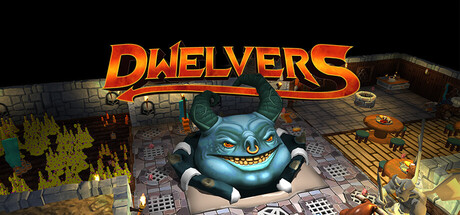
Dungeon Keeper-inspired gameplay: The game is heavily inspired by *Dungeon Keeper*, featuring dungeon management, minion control, and resource collection. Players build and defend dungeons while expanding vertically and horizontally, with mechanics like trap placement and creature training.
Minion needs and happiness system: Minions require food, sleep, and equipment, with their happiness affecting productivity. Players must build specialized rooms (e.g., kitchens, bedrooms) and manage resources to sustain their workforce, similar to *Dwarf Fortress* or *The Settlers*.
3D vertical dungeon building: The game emphasizes verticality, allowing players to dig multi-layered dungeons, manage fluids (lava/water), and navigate cave-ins. This adds depth to dungeon design and resource management, distinguishing it from traditional 2D dungeon builders.
Crafting and equipment customization: Minions can be individually equipped with crafted gear (weapons, armor), and players can customize rooms with furniture and decorations. This adds depth to troop management and dungeon aesthetics.
Resource production chains: Resources are gathered, refined, and used in complex production chains (e.g., farming → cooking → feeding minions). This system requires strategic planning to maintain efficiency and avoid bottlenecks, akin to *The Settlers* series.
Autosave disrupts gameplay: Players report that autosave interrupts camera control, making the game frustrating to play during critical moments. This issue is compounded by cursor movement problems in fullscreen mode.
Lightweight performance: Several reviews highlight the game as generally lightweight, suggesting it runs well on lower-end hardware or without significant performance overhead.
Recommendations
Highly recommended for genre fans: The game is frequently recommended for fans of dungeon management, RTS, and Dungeon Keeper-inspired games, particularly those seeking a sandbox experience. Many reviewers highlight its unique twists and potential despite being in early access.
Mixed early access reception: Feedback is divided on whether to buy now or wait. Some praise its potential and enjoyability despite flaws, while others feel it’s not ready for purchase due to glaring issues or limited content.
Support dev but wait for updates: Several reviewers suggest buying the game to support the solo developer but advise waiting for updates, sales, or beta completion due to its incomplete state. Graphics, QoL features, and a speed slider are commonly requested improvements.
Price-sensitive recommendations: The game is often recommended at a lower price point (e.g., $10) or during sales, as some feel it lacks content or polish for its current price. Others argue it’s worth the full price for genre enthusiasts.
Alternatives suggested: Some reviewers recommend alternatives like *Dungeons 2*, *War for the Overworld*, or *Dungeon Keeper* on GOG, citing better polish or value. This is often tied to the game’s early access limitations.
Other review notes
Long development timeline: Players frequently mention the game's extended development period, including a 10-year completion time and a year-long halt due to resource constraints. This highlights the challenges faced during production.
Passion project perseverance: The developer's commitment to finishing the game despite financial difficulties is noted as a significant achievement. This reflects dedication to the project and its community.
Small team limitations: The game is perceived to have a 'small team' feel, which may impact aspects like polish or scope. This is a common observation among players.
Requested content additions: Players suggest adding features like gem mining and treasure chambers, indicating interest in expanded gameplay mechanics.
Community-driven localization: The French translation was contributed by community members, showcasing player involvement and support for accessibility.