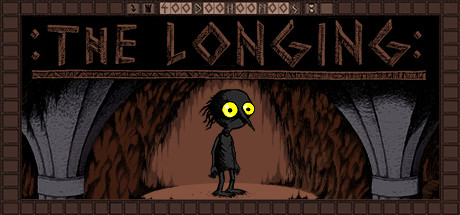
- Strong emotional connection to Shade character
- Thought-provoking themes of time and solitude
- Rewarding exploration and hidden secrets
- Real-time 400-day waiting mechanic unique
- Slow pacing frustrates some players
- Lack of clear objectives reduces engagement
Emotions
What players like:
Common complaints:
Gameplay feedback:
Performance notes:
Recommendations:
Other player notes:
Similar games
Blend with other games







Review evidence
Why players say this
Review evidence
Why players say this
What players like
Strong emotional connection to Shade: The Shade character is deeply endearing, fostering emotional attachment and companionship over time. Players appreciate the subtle interactions, dialogue, and the character's growth as they decorate their home.
Thought-provoking themes of time and solitude: The game encourages reflection on existential themes like patience, loneliness, and the passage of time. Its narrative structure and slow pacing create a meditative experience that resonates deeply with players seeking meaning in stillness.
Rewarding exploration and secrets: Exploring caves, uncovering secrets, and discovering hidden details are central to the experience. Players enjoy the sense of achievement from mapping the world, solving puzzles, and finding collectibles that enhance gameplay.
Immersive and cozy atmosphere: Players consistently praise the game's unique, meditative atmosphere, describing it as cozy, immersive, and reminiscent of 90s fantasy films. The art style, ambient sound, and slow-paced design create a calming and emotionally engaging experience.
Home decoration and customization: Decorating the Shade's home is a joyful and rewarding mechanic. Players enjoy collecting items, painting walls, and arranging furniture, which not only speeds up time but also deepens their connection to the game world.
Common complaints
Slow pacing frustrates players: The game's deliberately slow movement, long travel times, and lack of immediate feedback frustrate players who prefer faster-paced or more dynamic experiences. Many describe the pace as tedious, requiring excessive patience.
Lack of clear objectives reduces engagement: Players report feeling directionless due to unclear goals, repetitive activities, and a lack of meaningful progression. This leads to boredom, especially in later stages or underground areas.
Underdeveloped world and mechanics: The game lacks sufficient world-building, relevant in-game books, and feedback for actions. Some areas feel empty, repetitive, or mechanically simple, reducing immersion.
Time mechanics feel punishing: The 400-day wait premise and time acceleration mechanics are seen as misleading or cruel, especially if players miss events or cannot engage frequently. Some report bugs with the timer.
Depressing or unfair tone: The narrative's brutal reality, unforgiving decisions, and lack of humor cohesion create a depressing or unsettling experience for some players. Mechanics like the pickaxe breaking are seen as unfair.
Gameplay and performance
Real-time 400-day waiting mechanic: The game features a core mechanic where players must wait 400 real-time days for key events, such as awakening the king or unlocking endings. This design emphasizes patience and long-term engagement, even when the game is closed.
Slow-paced exploration and discovery: Gameplay revolves around deliberate, slow-paced exploration of underground caves, with no fast travel or sprinting. Players uncover secrets, hidden treasures, and environmental details through observation and patience.
Multiple narrative-driven endings: The game offers multiple endings (e.g., 'Bad Well,' 'Wake the King') based on player choices, actions, and patience. Some endings require specific conditions, such as waiting 400 days or discovering hidden paths.
Time manipulation and acceleration: Players can manipulate time by decorating their cave, reading books, or engaging in activities like drawing. These actions speed up the in-game clock, reducing the 400-day wait or triggering events faster.
Puzzle-solving through waiting: Many puzzles require players to wait for environmental changes, such as moss growth, water filling a hole, or spider webs forming. This design reinforces the game's focus on patience and observation.
Multi-monitor display issues: Players report brightness inconsistencies and full-screen mode locking on secondary monitors, along with difficulties adjusting screen size. These issues disrupt immersion and usability in multi-monitor setups.
Progress loss on restart: Players experience failed restarts (e.g., on new machines) and unexpected progress loss, undermining long-term engagement and trust in save system reliability.
Gameplay bugs after extended play: Prolonged sessions reveal programming flaws, such as unintended resource consumption (e.g., painting) and incorrect location tracking. These bugs degrade core gameplay mechanics over time.
Limited windowed mode customization: The windowed mode is criticized for being too small and unresizable, with no in-game settings to adjust resolution or window dimensions. This restricts accessibility for players with non-standard displays.
Recommendations
Niche but rewarding experience: The game is highly recommended for patient players who enjoy slow-paced, meditative, or existential experiences, but it is explicitly not recommended for those seeking action, instant gratification, or traditional narratives. Its appeal is limited to a specific audience.
Requires patience and tolerance for slowness: The game is frequently recommended for players with strong patience, as it features slow progress, idle mechanics, and long waiting times. It is not suitable for those who dislike unhurried gameplay or lack patience.
Best for exploration and relaxation: The game is ideal for players who enjoy exploration, decorating, and cozy atmospheres, often compared to *Stardew Valley* or *Fran Bow*. It is recommended for casual, background play or as a calming experience.
Not for action or fast-paced fans: The game is explicitly not recommended for players who prefer fast-paced, high-adrenaline, or dynamic gameplay. It is designed for those who appreciate mindfulness and deliberate engagement.
Artistic and emotional depth: Players describe the game as a 'complete work of art' with deep emotional storytelling, philosophical themes, and introspective value. It is praised for its unique artistic direction and ability to evoke reflection.
Other review notes
Accessibility for wheelchair users: The game’s design and themes resonate with wheelchair users, highlighting its inclusive and thoughtful accessibility features. This aspect is noted as a meaningful and unique strength.
COVID-19 and societal themes: The game’s exploration of COVID-19 and societal impact is noted, though this feedback may reflect external influences rather than core gameplay. This could be seen as a niche or context-specific observation.
Achievements and replay value: Players mention completing multiple endings and engaging with Steam achievements, indicating the game offers some level of replayability or goal-oriented progression.
Price concerns and discounts: Many players feel the game is overpriced at full cost and recommend waiting for a discount. This suggests a perception of limited value for the initial asking price.
Comparisons to other narrative games: The game is frequently compared to titles like 'Undertale' and 'Life is Strange,' suggesting it shares similarities in storytelling, emotional depth, or gameplay mechanics with these well-known games.