- Exceptional gameplay with upgradable weapons and plasmids
- Atmospheric storytelling with emotional depth
- New enemies and boss fights enhance experience
- Severe crash issues corrupt save files
- Lack of innovation compared to predecessor
- Dated graphics and poor optimization

Emotions
What players like:
Common complaints:
Gameplay feedback:
Performance notes:
Recommendations:
Other player notes:
Similar games
Blend with other games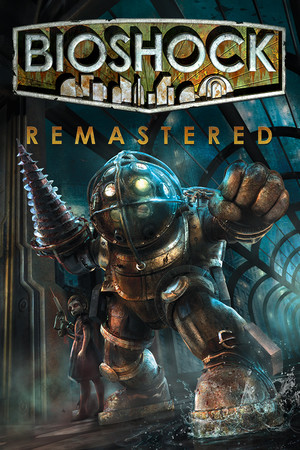






Review evidence
Why players say this
Review evidence
Why players say this
What players like
Exceptional gameplay experience: Players consistently praise the game's engaging, fluid, and polished gameplay, often highlighting improvements over the first game. The combat mechanics, weapon variety, and overall fun factor are frequently mentioned as standout features.
Atmospheric and emotional storytelling: The game's narrative is praised for its thematic depth, emotional impact, and atmospheric world-building. Players highlight the engaging plot, moral dilemmas, and strong character development, particularly in the relationship between Big Daddy and Little Sister.
New enemies and boss fights: The introduction of new enemies like Big Sisters and Brutos enhances gameplay variety and challenge. Players appreciate the memorable and terrifying design of these foes, as well as the strategic depth they add.
Expanded Rapture lore: The game deepens the mythology of Rapture, offering new insights into its history and characters. Players enjoy exploring the atmospheric and intricately designed world, which remains faithful to the original.
High-quality Minerva's Den DLC: The *Minerva's Den* DLC is widely praised for its engaging story, atmosphere, and impactful narrative. Players consider it a standout addition that enhances the overall experience.
Common complaints
Severe crash issues persist: The game suffers from frequent, unpredictable crashes, particularly in later stages, during loading screens, and when saving. This issue is widespread across both the original and remastered versions, often leading to lost progress and rendering the game unplayable for many users.
Lack of innovation: The game reuses many elements from the first installment, including plasmids, enemies, and settings, with little artistic or mechanical innovation. This makes the experience feel repetitive and less fresh compared to its predecessor.
Dated graphics and optimization: The game suffers from poor optimization, even on modern systems, with outdated textures and performance issues. The remastered version fails to significantly improve visuals or stability, making the experience feel unpolished.
Story weaker than predecessor: The narrative is criticized for lacking the depth, impact, and philosophical themes of the first game. Players find the story less cohesive, less shocking, and more linear, with underdeveloped characters and fewer memorable twists.
Multiplayer mode flawed: The multiplayer component is poorly implemented, unstable, and underpopulated, with frequent lag, griefing, and server issues. Achievements tied to online play are difficult to complete due to the dead playerbase.
Gameplay and performance
Upgradable weapons and plasmids: Weapon Upgrade Stations offer three slots per weapon with visual changes, while plasmids feature chargeable effects (e.g., fire, ice) and bundled categories, enabling diverse playstyles.
Little Sister protection mechanics: Defending Little Sisters (e.g., tower-defense sequences) and choosing to adopt or harvest them for ADAM are core mechanics, with moral consequences affecting gameplay and endings.
Playable Big Daddy protagonist: The game introduces a unique playstyle by allowing players to control a Big Daddy, a slower but stronger character with distinct weapons (e.g., drill, rivet gun) and mechanics tied to protecting Little Sisters.
Exploration of Rapture’s dystopia: The underwater city of Rapture serves as a rich setting for exploration, with expanded levels, underwater areas, and districts like Siren Alley, though less open than the first game.
Moral choices with consequences: Decisions like harvesting or saving Little Sisters impact gameplay, story outcomes, and endings, adding depth to the narrative and replayability.
Frequent game crashes: The game crashes repeatedly during gameplay, loading screens, combat, and saving, often without error messages. This issue is widespread across the original and remastered versions, affecting progression and stability.
Crashes corrupt save files: Crashes frequently lead to corrupted save files, preventing players from continuing their progress. This issue is exacerbated by poor autosave implementation, which only saves on level changes.
Compatibility issues with modern systems: The game struggles to run on modern systems, including Windows 11 and the Steam Deck, often requiring compatibility mode or manual configuration to function.
DLC stability issues: The Minerva's Den DLC and Protector Trials DLC are particularly prone to crashes and stability issues, making them unplayable for some users on PC.
Mods can improve stability: Community-made mods and tweaks, such as .ini file edits or specific launch options, can improve stability and reduce crashes for some players.
Recommendations
Highly recommended for fans: The game is strongly recommended for fans of immersive storytelling, FPS/RPG hybrids, and the BioShock series. Many reviews highlight its replayability due to moral choices and narrative depth, making it a must-play for enthusiasts of the genre.
Play order and context: Many recommend playing *BioShock 1* first for narrative context, though some argue *BioShock 2* stands well on its own. Minerva’s Den DLC is also suggested as a starting point for newcomers.
Replayability and moral choices: The game’s moral choices, research mechanics, and unlockables encourage multiple playthroughs. Players appreciate the depth added by these systems, which enhance long-term engagement.
Unique themes and atmosphere: The game’s exploration of collectivism, dystopian themes, and immersive sound design are praised. Its atmospheric setting in Rapture is a key draw for fans of the series.
Narrative and storytelling limits: While the story is engaging, some reviews note it doesn’t reach the heights of the first game. Players are advised to temper expectations for top-tier storytelling.
Other review notes
Sequel overshadowed by original success: The game is perceived as a sequel struggling to escape the legacy of its predecessor, leading to mixed expectations and reception. Franchise identity is questioned.
Multiplayer disconnect from core game: Players feel the multiplayer mode was developed separately, lacking cohesion with the main game experience. This suggests a disjointed design approach.
Cross-platform achievement inconsistencies: Achievements unlock incorrectly, reflecting progress from other platforms rather than the current playthrough. This frustrates players aiming for completion.
Grindy audio log achievement: Collecting 100 audio logs for an achievement is seen as tedious and time-consuming, detracting from gameplay enjoyment for completionists.
Frustration with 'Houdini' enemy type: Players express strong dislike for a specific enemy type (likely evasive or unpredictable), impacting combat enjoyment. The term may be a community nickname.