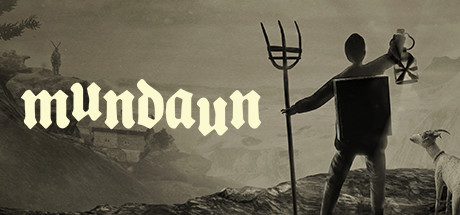
- Unique hand-drawn art style
- Creepy folk horror atmosphere
- Multiple endings encourage replay
- Combat is clunky unsatisfying
- Slow pacing tedious gameplay
- Enemy design frustrating unfair
Emotions
Archetypes
What players like:
Common complaints:
Gameplay feedback:
Performance notes:
Recommendations:
Other player notes:
- -
No data available
Similar games
Blend with other games





Review evidence
Why players say this
Review evidence
Why players say this
Steam review verdict
Unique hand-drawn art and creepy folk horror atmosphere with multiple endings are let down by clunky combat, slow pacing, and frustrating unfair enemy design.
What players like
Unique hand-drawn art style: Players consistently praise the hand-drawn, sepia or black-and-white visual style for its beauty and distinctiveness, noting it as a major strength of the game.
Authentic Romansh language integration: The use of the Romansh language is highlighted as authentic and fitting, enhancing the eerie, folk-horror atmosphere and reinforcing the Swiss folklore setting.
Creepy and tense atmosphere: Reviewers describe the atmosphere as creepy, terrifying, and unnerving, with a strong psychological horror element that effectively builds tension.
Multiple endings encourage replay: The inclusion of multiple endings based on player choices, along with save retrospection, is appreciated for encouraging replay and adding depth to the story.
Effective folk horror vibe: The folk-horror theme is well-received as a slow-burn, moody experience that effectively captures the genre's essence, though some note its crude aesthetic.
Common complaints
Combat is clunky and unsatisfying: The combat system is frequently criticized for being clunky, weak, frustrating, and poorly designed. Many players find it best to avoid combat altogether due to broken mechanics, limited weapon durability, and unfair enemy behavior reducing overall enjoyment.
Enemy design frustrating and unfair: Enemy design is widely criticized for unfair attack ranges, frustrating detection, and annoying behavior. Specific enemies like haymen and beekeepers are cited as particularly unfun to deal with breaking immersion.
Slow pacing and tedious gameplay: Gameplay pacing is described as a slog with slow movement, boring sections, and uninspired mechanics. Walking simulator elements and drawn-out sequences cause fatigue and reduce immersion.
Story predictable and poorly written: The story is considered predictable, cliché, or weak with little narrative force. Character reactions and writing are criticized as unrealistic or heavy-handed diminishing emotional impact.
Puzzles lack clarity and creativity: Puzzles are often too simplistic, obscure, or rely on trial and error. Clarity issues with interactable objects and lack of guidance lead to confusion and aimless wandering.
Gameplay and performance
Unique hand-drawn visuals: A distinctive hand-drawn pencil art style in black and white is highly praised. The minimalist grayscale visuals create a unique aesthetic that is frequently mentioned.
Folk horror setting: The game is based on Swiss mountain folklore and folk horror themes. Set in the Swiss Alps, it incorporates cultural myths into a horror narrative.
Stealth gameplay options: Stealth is a viable or preferred approach, allowing players to avoid enemies. Some mention optional combat, while others note stealth-based movement and avoidance as key mechanics.
First-person horror exploration: The game is seen as a first-person exploration horror adventure that combines psychological horror with puzzle solving. Exploration is a core mechanic, with a focus on atmosphere.
Exploration and puzzle focus: The game is described as an adventure with a strong emphasis on puzzles and exploration, often compared to point-and-click titles. Players navigate 3D environments solving various puzzles.
Persistent performance stuttering: Reports describe performance stuttering across various configurations, including low settings at 720p with an RX 550, and Unity-engine stuttery movement at higher framerates that may cause motion sickness.
Frequent crashing issues: Multiple instances of crashing occur: the game crashes and refuses to run after several reinstalls, or crashes every 20 minutes during gameplay.
Inventory and item bugs: Players report inventory system bugs and item interaction bugs, indicating issues with fundamental gameplay mechanics.
Long load times: The game has excessively long load times, which can negatively impact the pacing of gameplay and user experience.
High PC requirements: The game is demanding on PC hardware, requiring more resources than some players expected, leading to performance struggles.
Recommendations
Highly recommended overall: A large number of reviewers give a straightforward, enthusiastic recommendation, calling the game excellent, enjoyable, and a must-play. This is the most frequent general sentiment.
Perfect for folk horror fans: Multiple clusters target fans of folk horror, atmospheric experiences, and unique art styles. The game is seen as a standout in this niche, offering a slow-burn narrative perfect for genre enthusiasts.
Atmospheric and slow-paced: Several reviews note the game's slow pace and emphasize that it is designed for players who value atmosphere, exploration, and narrative over fast-paced action. This is a key characteristic repeatedly identified.
Best value on sale: Many players emphasize that the game offers excellent value for money, especially when purchased during a sale. This is a very common and specific positive point.
Not universally recommended: A small but notable group of reviewers do not recommend the game, citing personal dissatisfaction or stating it is not for everyone. This balanced perspective is important for context.
Buying context
Community fair range: $10.00 - $20.00.
Game completion: 9.0h.
Story completion: 6.0h.
Player reports on Mundaun are sharply divided: some find its atmospheric pacing and art style immediately engaging, while others find the early gameplay janky with clunky combat and slow exploration that never becomes enjoyable.
Friction: janky early game encounters; slow pacing during exploration; clunky control mechanics; combat feels unresponsive; lack of direction; tedious labyrinth section.
Player profiles
Atmospheric Art Connoisseur: Slow, immersive exploration focused on visual and auditory ambiance. Motivation: Experience the unique charcoal art style and surreal atmosphere. Stance: buy.
Exploration Mystery Seeker: Methodical walking and puzzle-solving, reading clues and enjoying the environment. Motivation: Unravel the dark secrets of a remote Alpine village through thorough exploration. Stance: buy.
Combat-Averse Pacifist: Stealthy avoidance, pacifist runs, seeking peaceful options. Motivation: Experience the story and atmosphere without forced combat or stress. Stance: sale.
Platform notes
Steam Deck: The game runs well on Steam Deck according to multiple reports, but some users encounter control issues and a game-breaking inventory bug, suggesting potential stability problems.