- Masterful anti-war storytelling with deep impact
- Protagonist's psychological descent is gripping
- Immersive atmosphere and genre-defying narrative
- Impactful multiple endings enhance replay value
- Outdated and clunky gameplay mechanics
- Poor AI and frustrating cover system
Emotions
What players like:
Common complaints:
Gameplay feedback:
Performance notes:
Recommendations:
Other player notes:
Similar games
Blend with other games






Review evidence
Why players say this
Review evidence
Why players say this
What players like
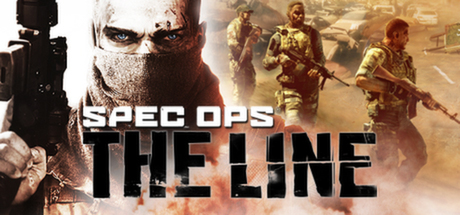
Masterful anti-war storytelling: The game is widely praised for its deep, thought-provoking narrative that critiques war and explores themes of morality, guilt, and psychological trauma. It subverts traditional military shooter tropes and draws inspiration from literary works like 'Heart of Darkness' and 'Apocalypse Now'.
Protagonist's psychological descent: The story follows Captain Walker's descent into madness, with his psychological and physical deterioration portrayed masterfully. The narrative forces players to confront uncomfortable themes and question their own actions, making it emotionally impactful.
Immersive atmosphere and setting: The ruined Dubai setting, combined with oppressive sound design, visuals, and a brooding soundtrack, creates a hauntingly beautiful and immersive atmosphere. The environment itself feels like a character in the story, enhancing emotional resonance.
Genre-defying narrative structure: The game challenges traditional military shooter tropes and is often described as a 'PTSD simulator' or meta-commentary on the hero-shooter genre. Its linear structure and unique storytelling approach set it apart from other games in the genre.
Impactful multiple endings: The game offers multiple well-crafted endings that explore moral ambiguity and the psychological cost of war. These endings are cinematic, thought-provoking, and leave a lasting impression on players.
Common complaints
Outdated and clunky gameplay: The game's mechanics, controls, and overall gameplay feel unpolished, repetitive, and outdated compared to modern standards. Players frequently cite clunky movement, imprecise shooting, and stiff controls as major detractors.
Poor AI and squad mechanics: Both enemy and ally AI are criticized for being inconsistent, brain-dead, or overly aggressive. Squadmates often die unnecessarily, fail to provide support, or behave unpredictably, disrupting gameplay flow.
Frustrating cover system: The cover mechanics are unreliable, especially on higher difficulties, and the shared button for running and taking cover leads to unintended actions and player deaths. This issue is exacerbated in high-stakes scenarios.
Game delisted and unavailable: The game is no longer available for purchase due to licensing issues, making it inaccessible to new players. This is a significant barrier for those interested in experiencing the title.
Inconsistent and buggy mechanics: Various mechanics, such as healing, reviving, and movement, are described as inconsistent or buggy. Issues like long revive animations, clipping, and unresponsive controls disrupt immersion.
Gameplay and performance
Narrative-driven third-person shooter: The game is a story-focused third-person shooter with cover mechanics, moral choices, and psychological themes. It transforms from a traditional shooter into a narrative-driven experience with ambiguous outcomes and multiple endings.
Moral choices with consequences: Player decisions impact the narrative, with ambiguous outcomes and forced moral dilemmas (e.g., saving civilians vs. personal gain). These choices contribute to the game’s anti-war and psychological themes, though some are scripted or minimally impactful.
Cover-based combat mechanics: The game features a cover-shooter system similar to *Gears of War*, with tactical movement, squad commands, and environmental interactions like sandstorms and destructible cover. Combat is stiff but deliberate, emphasizing positioning and ammo management.
Limited weapon variety and ammo scarcity: The game restricts players to two weapons plus grenades, with deliberate ammo scarcity to emphasize tactical play. This design choice reinforces the game’s critique of war’s repetitiveness.
Sand mechanics and environmental interactions: Sandstorms, collapsing structures, and dynamic weather (e.g., flooding enemies with sand) add tactical depth. These mechanics are used to subvert traditional shooter tropes and enhance immersion.
Strong performance on low-end hardware: The game is praised for running smoothly on modest and low-end PCs, including stable performance with no frame dips. This highlights broad accessibility.
Game crashes on exit: Multiple users reported the game crashing when attempting to quit, despite some noting no other technical issues. This suggests a specific shutdown-related bug.
Audio issues require restarts: Users reported missing sound in cutscenes and general audio bugs that necessitate restarting the game or device (e.g., Steam Deck). This impacts immersion and usability.
NPC pathfinding workaround needed: Players found that alt-tabbing resolves NPCs getting stuck, suggesting a temporary but disruptive fix for a gameplay-breaking issue.
Random frame rate drops require restarts: Occasional frame rate collapses were noted, with restarts being the only solution. This disrupts gameplay and may indicate underlying performance instability.
Recommendations
Narrative-driven masterpiece: The game is overwhelmingly praised for its deep storytelling, emotional impact, and exploration of war and morality. It is frequently described as a must-play for fans of narrative-driven shooters and those seeking thought-provoking experiences.
Recommended for specific audiences: The game is highly recommended for players who value storytelling over gameplay, fans of anti-war themes, and those who enjoy games with moral complexity. It is less suited for those seeking pure fun or mindless action.
Delisting and preservation concerns: Many reviewers express regret over the game's delisting from Steam and advocate for its preservation. They recommend purchasing the game from third-party sites or hope for a remaster to improve accessibility.
Gameplay challenges and difficulty: The gameplay is noted for its difficulty and frustration points, with recommendations to play on harder settings for a more impactful experience. Controller players are advised to use aim assist on normal difficulty.
Multiplayer not essential: The single-player experience is highlighted as highly valuable, and the game is recommended even without multiplayer. Some reviewers offer to connect for multiplayer, but this is not a major focus.
Other review notes
Artistic and narrative depth: The game is praised for its exploration of the human condition, moral dilemmas, and transformative storytelling, drawing inspiration from *Heart of Darkness* and *Apocalypse Now*. It uses surreal imagery and fourth-wall breaks to engage players in ethical questions about war.
Cult classic status: Despite its commercial failure, the game is regarded as a cult classic, developed by a smaller studio (YAGER) and celebrated for its artistic integrity and resistance to mass-market appeal.
Impactful white phosphorus scene: The game's use of white phosphorus in a pivotal scene is highlighted as a powerful and disturbing moment, drawing real-world parallels to warfare and challenging players' perceptions of morality.
Publisher-developer conflict: Players criticize the publisher (2K) for exploiting the developers, including forcing the inclusion of multiplayer despite the developers' reluctance, which may have impacted the game's development.
Last entry in series: The game is noted as the final installment in the *Spec Ops* series, adding to its significance for fans of the franchise.