- Pioneering classic with engaging tactical combat.
- Challenging and rewarding old-school difficulty.
- Distinctive mid-game sci-fi horror shift.
- Frustrating, buggy, and unfair gameplay experience.
- Dated visuals and archaic design elements.
- Requires community fixes for modern playability.
Emotions
What players like:
Common complaints:
Gameplay feedback:
Performance notes:
Recommendations:
Other player notes:
Similar games
Blend with other games





Review evidence
Why players say this
Review evidence
Why players say this
What players like
Timeless Classic, Aged Well: Players consistently praise the game as a classic that has aged remarkably well, particularly its groundbreaking graphics for its 2004 release. Many find it still enjoyable and even superior to some modern titles, often evoking strong nostalgia.
Lush Visuals & Immersion: The game is highly praised for its visually appealing graphics, particularly the lush tropical island environments, realistic water, and detailed level design. These elements, combined with effective sound design, create an immersive and memorable atmosphere.
Pioneering Franchise Legacy: Many players consider this game the definitive and best installment in the Far Cry series, often highlighting its unique approach compared to sequels. It's recognized as a groundbreaking FPS title that revolutionized open-world design, AI, and graphics, leaving a significant legacy.
Engaging & Rewarding Fun: Despite its age and challenging nature, players describe the game as extremely fun and engaging. The blend of action, occasional horror elements, and the satisfaction of overcoming difficulties contribute to a highly rewarding experience that many replay.
Excellent Gunplay & Tactical Combat: The game features highly praised gun mechanics, offering a diverse and satisfying arsenal with realistic physics. Combined with intelligent enemy AI that flanks and uses the environment, combat encounters are challenging, tactical, and engaging.
Common complaints
Frustrating, Buggy, and Unfair Gameplay: Players frequently encounter game-breaking bugs, crashes, and poor performance on modern systems. The AI is widely criticized for being unfair, exhibiting aimbot-like accuracy, wallhacks, and detecting players from extreme distances, rendering stealth useless. This combines with a deeply flawed checkpoint-only save system, leading to repetitive and infuriating deaths and progress loss. The shift to unbalanced mutant enemies further contributes to a negative gameplay experience.
Dated Visuals and Archaic Design: The game's graphics, animations, and overall visual presentation have aged poorly, appearing clunky and unappealing by modern standards. Beyond visuals, many core gameplay mechanics and design choices, such as level structure and lack of modern conveniences, feel archaic and contribute to a generally unpolished and outdated experience for contemporary players.
Generic Story, Flat Characters, Bad Audio: The narrative is frequently described as simple, generic, cliché, and often nonsensical, with unmemorable characters lacking depth. Reviewers found the plot unengaging and the pacing repetitive, particularly in later stages. Additionally, the voice acting is widely criticized as poor and cheesy, and the soundtrack is often forgotten.
Gameplay and performance
Challenging Old-School Difficulty: Players consistently highlight the game's high difficulty, even on easier settings, which demands tactical planning, learning enemy patterns, and careful resource management. The absence of regenerating health and reliance on checkpoints, rather than manual saves, reflects a classic, unforgiving design philosophy.
Semi-Open Level Design: The game features expansive maps with multiple paths and approaches, providing a 'semi-open world' feel. Despite this freedom, the progression is largely linear and objective-driven, distinguishing it from true open-world titles, especially its successors.
Mid-Game Sci-Fi Horror Shift: The game features a significant genre shift around the halfway point, introducing sci-fi horror elements. Genetically modified monsters known as Trigens become prevalent enemies, drastically altering the atmosphere, combat dynamics, and overall gameplay experience.
Tactical First-Person Combat: The core gameplay involves intense, hardcore first-person shooter combat with a diverse arsenal of weapons. It encourages a blend of stealth (utilizing foliage and silenced weapons), ambushes, flanking, and strategic engagements, requiring more than just a run-and-gun approach.
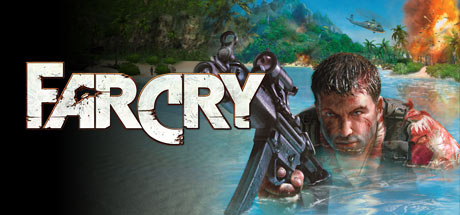
Jack Carver's Island Ordeal: Players control Jack Carver, a former special forces operative hired by journalist Valerie Constantine. The story quickly unfolds with their boat's destruction on a mysterious tropical island, leading Jack to search for Valerie amidst hostile mercenaries and mutated creatures.
Highly accessible system requirements: The game is noted for its low system requirements, running smoothly on a wide range of hardware, from older 'potato' computers to modern high-end PCs. While it was resource-intensive for systems of its original era, it is now very forgiving and boasts a small installation size.
Stability issues on modern systems: Despite its age, the game can exhibit various stability problems on modern hardware, including crashes, stutters, and significant FPS drops, especially on high-end configurations or at very high graphical settings. Players often report crashes on loading screens or during intense action, sometimes requiring specific settings adjustments like lowering lighting or shadow quality, or disabling V-sync, to achieve stability.
Mixed Steam Deck compatibility: The game generally functions on the Steam Deck, with some users reporting a positive and smooth experience. However, other feedback indicates that it may still present certain issues or require specific tweaks and configurations to run perfectly on the handheld device.
Recommendations
Polarizing Player Reception: The game receives highly divided feedback, with many recommending it for specific niches or conditions, while others strongly advise against it due to perceived datedness or frustration. Overall ratings are inconsistent, indicating a game that is not universally appealing in its current form.
High Difficulty, Niche Appeal: The game is consistently described as very difficult, especially on higher settings, appealing primarily to veteran FPS players, those seeking a hardcore challenge, or fans of old-school shooters and early open-world FPS design. Many reviewers recommend playing on easier difficulties to avoid frustration, especially for modern gamers.
Requires Community Fixes for Playability: The game suffers from significant technical issues and outdated mechanics when played on modern systems, leading to frustration and even refunds. Players overwhelmingly recommend installing community patches, widescreen fixes, and other modifications (or buying the GOG version) to ensure a stable and enjoyable experience.
Buy Only When On Sale: Reviewers consistently advise prospective buyers to wait for a significant discount or sale before purchasing the game. This suggests that at full price, its value proposition is questionable for many players, likely due to its age and technical issues.
Strong Remake Demand: Many players express a strong desire for an official remake or remaster of the game. They believe an updated version with modern polish would do justice to its classic status and address the current technical limitations and outdated graphics.
Other review notes
Unforgiving Yet Rewarding Challenge: Players frequently highlight the game's high difficulty, sometimes comparing it to a 'Dark Souls of shooters,' requiring strategic play even on easier modes. This intensity, combined with surprising and scary moments, makes it an experience not suitable for casual relaxation but deeply engaging for those seeking a hardcore FPS challenge.
Persistent Technical & Localization Issues: The game suffers from several technical issues, including specific bugs (e.g., 'superhuman AI') and crashes, which often require unofficial community patches (like 1.41) to fix. Additionally, players report problems with non-English keyboard layouts resetting controls and a lack of official localization options for many languages on platforms like Steam.