- Outstanding combat system with depth
- Engaging Soulslike action RPG gameplay
- Weapon variety and stance switching
- Poor keyboard and mouse support
- Excessive enemy damage and difficulty
- Lacking enemy variety and bland story
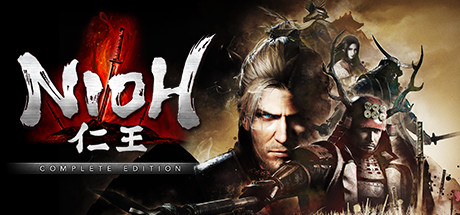
Emotions
Archetypes
Hardware
What players like:
Common complaints:
Gameplay feedback:
Performance notes:
Recommendations:
Other player notes:
Similar games
Blend with other games



Review evidence
Why players say this
Review evidence
Why players say this
Steam review verdict
A deep, engaging Soulslike combat system with great weapon and stance variety, but poor keyboard/mouse support, brutal enemy damage, repetitive foes, and a bland story hold it back.
What players like
Outstanding Combat System: The combat system is widely praised as exceptional, with depth, technicality, and satisfying feedback. Many reviewers consider it the game's strongest aspect and among the best in the genre.
Engaging Gameplay Experience: The core gameplay loop is highly enjoyable, responsive, and addictive, making the game fun and engaging for a wide audience.
Weapon Variety and Styles: Players appreciate the wide range of weapons, each with unique moves, stances, and skills, offering diverse playstyles and strategic depth.
Satisfying Boss Fights: Boss encounters are well-designed, memorable, and offer unique mechanics and multiple phases. Defeating them provides immense satisfaction.
Comparisons to Nioh 2: Many reviewers compare this game to Nioh 2, noting that while it is excellent, Nioh 2 is often considered slightly better overall in combat, builds, and design.
Common complaints
Poor keyboard and mouse support: The game has poor keyboard and mouse adaptation, with controls designed for controllers and only controller button prompts shown, making it incomprehensible for PC players.
Enemies deal excessive damage: Enemies hit extremely hard, often taking half or more of the player's health in a single hit, leading to frequent one-shots and stun locks.
Enemy variety is lacking: Many reviewers note repetitive enemy types, scarce variety, and reused monsters throughout the campaign, making combat feel monotonous.
Forgettable and bland story: The narrative is average, forgettable, and uninteresting, failing to engage players.
Side missions reuse maps: Side missions often reuse the same maps or smaller/reversed versions, with slightly varied enemies, leading to repetition.
Gameplay and performance
Soulslike Action RPG Design: The game is widely described as a Soulslike action RPG with mission-based structure and its own style and pace. It borrows from the Dark Souls formula while incorporating platforming and hack-and-slash elements.
Stance Switching Mechanic: A stance mechanic is present, allowing players to switch between stances that affect attacks, parries, and dodges. It is often combined with skill systems for varied combat approaches.
Loot System with Rarity: The game features a randomized loot system with item rarity, dismantling, and inventory management options. Enemies drop abundant equipment, encouraging frequent gear upgrades.
Stamina and Ki Management: Combat revolves around stamina or Ki management, with attacking consuming stamina and a limited starting bar. The Ki Pulse mechanic is central for stamina control during fights.
Side Missions and Quests: Players note the presence of side missions and quests that aid character development and provide rewards, including as post-game content. These coexist with a main mission structure.
PC Optimization Poor: Many players report non-existent or terrible PC optimization, with frequent stuttering and frame drops even on high-end hardware. This is a widespread issue affecting the overall experience.
Frequent Crashes and Freezes: Crashes, freezes, and white/black screens occur regularly on PC, sometimes requiring multiple restarts per session. Specific triggers include skill preview videos and Bluetooth conflicts.
General PC Technical Issues: Various technical issues on PC are reported, including input delays and menu glitches. These contribute to a poor overall experience.
Positive Optimization Experiences: A few players report the game is very optimized or runs smoothly on various systems, including old and current computers. However, these are isolated cases.
FPS Capped at 60: The game restricts frame rate to 60 FPS with no option to go higher, which limits performance on capable systems. Some players note the cap feels inconsistent or higher.
Recommendations
Excellent for Souls-like enthusiasts: Many praise the game as a great Souls-like, recommending it to fans of the genre. It is frequently called one of the best in the genre.
Nioh 1 beginner-friendly entry: Many reviewers consider Nioh 1 the most beginner-friendly entry point, recommending it before Nioh 2 or Nioh 3. However, some suggest starting with Nioh 2 instead for a smoother introduction to the series.
Overwhelmingly positive and recommended: A large number of reviews give strong, unconditional recommendations. Players express high satisfaction and wholeheartedly endorse the game.
Great for complex combat and challenge: Fans of deep combat systems and brutal challenges highly recommend this game. It is praised for its difficulty and the satisfaction of mastering its mechanics.
Purchase primarily on sale: A recurring recommendation is to buy the game only when discounted. Reviewers feel the full price may not be justified, but the game becomes worthwhile at a reduced cost.
Buying context
Community fair range: $5.00 - $15.00.
Game completion: 161.9h.
Story completion: 25.0h.
Endgame: 200.0h.
Nioh often begins rough due to a steep learning curve, punishing bosses, and an unclear tutorial, but many players say it becomes fun after they push through the early phase and start understanding the combat. Reports of immediate fun exist, while others find the late game or DLC repetitive.
Reported time to anchor: 20h.
Friction: Brutal, discouraging early game and steep learning curve.; Tutorial poorly explains Ki and Living Weapons.; Punishing early and tutorial bosses with repeated deaths.; Poor keyboard and mouse prompts and awkward default controls.; Limited healing and tedious healing-item farming.; Maze-like level design and unfair enemy placements..
Player profiles
Hardcore Souls Veteran: Learns enemy patterns, uses stance switching and ki pulse, dodges and blocks precisely, and treats each death as a lesson. Motivation: To overcome punishing difficulty and prove mastery through repeated boss attempts and refined combat. Stance: buy.
Build Optimization Grinder: Farms gear, reruns missions and NG+ cycles, mixes weapon skills, stats, ninjutsu, and onmyo magic, and min-maxes equipment sets. Motivation: To endlessly experiment with builds, loot, and optimization paths across repeated playthroughs. Stance: buy.
Co-op Adventurer: Uses Torii Gate, summons partners, clears missions together, and values shared loot, achievements, and coordinated boss fights. Motivation: To share the punishing campaign with a friend and progress together through co-op missions. Stance: sale.
Platform notes
Low-end Windows cohorts trend positive, the 8-11GB and 12-15GB VRAM cohorts are negative, and the 16GB+ VRAM cohort is mixed due to persistent optimization complaints.
Windows <8GB VRAM / <16GB RAM: positive. Reports are mostly positive: the game runs acceptably on low-end systems, though some users note stutters, weak keyboard and mouse optimization, and generally poor optimization.
Windows 12-15GB VRAM: negative. Negative reports dominate, with users citing severe optimization problems, unstable frame rates, resolution locks, and stuttering even on high-VRAM systems.
Windows <8GB VRAM / 16-31GB RAM: positive. Mostly positive: users recommend the game and treat it as runnable across a wide range of hardware, but one reviewer questions whether it will be optimized.
Steam Deck: The audit of Nioh on Steam Deck reveals a mixed but generally workable experience. Contrary to Steam's 'Unsupported' badge, multiple reviewers report the game runs well or 'perfectly' on the device, which is a notable positive. However, meaningful friction remains: the game effectively mandates a controller with unfriendly keyboard-mouse support, the menu/interface is widely described as unintuitive, and there are recurring reports of crashes, black-screen freezes, and general PC instability. The dominant technical concern is instability, while the controller requirement and confusing UI add recurring tinkering/adaptation overhead.
Linux and Proton: The audit found limited Linux/Proton feedback. One user reports the game is the most playable on Linux with CachyOS/KDE, indicating good out-of-the-box compatibility. Another user reports a Linux-specific peripheral issue: the game does not recognize alternative mouse buttons, and Razer configuration software is not available on Linux, forcing them to use Windows. Overall, the game appears to run well on Linux, with minor input configuration friction.
Extra review signals
External guides: The audit finds a strong Wiki Tax driven by external data dependency. The decisive evidence is the explicit mention of 'Smithing Text farming' and late-game grinding, which matches Tier 1 The Grinder under the strict priority rules. Users also report build and mechanics guide dependency, map and navigation confusion, and technical issues, but the Tier 1 farming trigger overrides those secondary themes for scoring.
Other review notes
Dark Souls comparison prevalence: Many reviewers compare the game to Dark Souls and other soulslikes, noting similarities in mechanics, complexity, and atmosphere. Some state that souls elements do not fit well, while others appreciate the unique identity despite the comparisons.
DLC content included: The game includes DLC content, with some versions bundling all DLCs. Reviewers note the presence of three DLCs and additional content like New Game+.
Nioh 2 improves over Nioh 1: Reviewers widely consider Nioh 2 to be better than Nioh 1, with improvements in balance, mechanics, and overall quality. Nioh 1 is seen as less polished and more experimental.
FromSoftware game comparisons: The game is frequently compared to FromSoftware titles like Sekiro and Elden Ring, with comparisons focusing on structure and gameplay style. However, reviewers note it is not a simple clone and has its own identity.
PC port of console game: The game is a console port to PC, available on both PS4 and PC. Reviewers note it is a port from another platform.