- Deep, complex, and rewarding combat system.
- Strategic stance-based combat offers varied playstyles.
- High replayability due to extensive content.
- Poor level design leads to frustration.
- Unbalanced difficulty feels artificial.
- Weak story and steep learning curve.
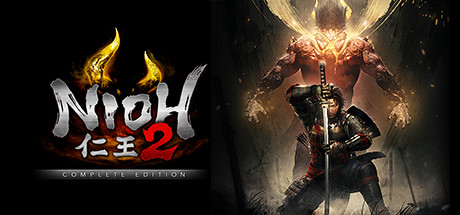
What players like:
Common complaints:
Gameplay feedback:
Performance notes:
Recommendations:
Other player notes:
Similar games
Blend with other games


![Cover for NINJA GAIDEN Σ [NINJA GAIDEN: Master Collection]](https://shared.cloudflare.steamstatic.com/store_item_assets/steam/apps/1580780/library_600x900.jpg)



Review evidence
Why players say this
Review evidence
Why players say this
What players like
Deep, complex, rewarding combat: The combat system is a major highlight, praised for its depth, complexity, and responsiveness. It features diverse weapon types, stances, skills, and combos, drawing comparisons to character action games like Devil May Cry and Ninja Gaiden. Many reviewers feel the combat system is among the best in the action RPG genre.
Strategic stance-based combat system: The stance system (high, mid, low) adds a layer of strategic depth to combat, influencing attack styles and patterns. Mastering stance switching and Ki Pulses is crucial for success, allowing for aggressive or passive playstyles. The controls are tight and responsive, with fighting-game influences.
Diverse weapon selection and playstyles: The game offers a wide variety of weapons, each with unique mechanics, movesets, and skill trees. This encourages experimentation and allows players to tailor their combat style to their preferences. Mastering each weapon requires a significant time investment.
High replayability and extensive content: The game offers a substantial amount of content and high replayability, with New Game Plus modes, optional challenges, and a deep endgame. Players can spend hundreds of hours mastering the game's intricate mechanics and exploring different builds.
Enjoyable, fun, and addictive experience: Many reviewers express that the game is enjoyable, fun, and addictive. They praise the overall experience and find it engaging, often highlighting that the game becomes increasingly captivating as they progress and master its systems.
Common complaints
Poor, frustrating level design: The game suffers from poor level design, featuring repetitive environments, confusing layouts, and uninspired shortcuts. Enemy placement is often unfair, with ambushes and traps that lead to cheap deaths. These issues contribute to a frustrating and tedious experience, especially when combined with the game's high difficulty.
Unbalanced, artificial difficulty: The game's difficulty is artificially inflated through unbalanced enemy stats, cheap tactics, and excessive enemy density. Enemies often have high health, deal significant damage, and can easily stun-lock the player, leading to frustrating and unfair encounters. This imbalance makes the game feel punishing rather than challenging.
Frustrating enemy, boss design: Enemy design is frustrating, with excessive spam, unfair placements, and reliance on cheap tactics. Many enemies have uninterruptible attacks, high health, and can easily stun-lock the player. Bosses are often recycled, have uninspired movesets, and can feel cheap due to unbalanced stats and mechanics.
Weak, uninspired story: The story is uninteresting, predictable, and poorly told, with weak characters and a confusing plot. Many reviewers found the narrative to be a significant drawback, especially compared to other games in the genre or the first game in the series. Some reviewers admitted to skipping cutscenes entirely.
Steep curve, poor tutorials: The game has a steep learning curve and inadequate tutorials, leaving players overwhelmed and confused. Many mechanics are poorly explained, requiring players to consult external guides. The initial experience can be frustrating and discouraging, especially for new players.
Gameplay and performance
Deep, complex, customizable combat: The game features a deep and complex combat system with a high skill ceiling, diverse weapon types (11 melee, 3 ranged), stances, and extensive customization options. This depth can be overwhelming for new players, but the game provides a tutorial area to help players learn the mechanics. Mastering the combat system is key to success.
Stamina management is crucial: Combat emphasizes stamina (Ki) management via the Ki Pulse mechanic, Yokai Skills, and strategic use of stances. Depleting enemy Ki opens them up for critical attacks. Mastering these mechanics is crucial for aggressive play and controlling the fight.
Genre blend: ARPG, Soulslike: The game blends elements from various genres, including action RPGs, Soulslikes, and Diablo-like loot systems. It is more action-oriented than a typical Souls game, with faster-paced combat and a focus on aggressive play. The game is not open world.
Mission-based level structure: The game uses a mission-based structure with linear levels featuring shortcuts and secrets, rather than an open world. Missions can be replayed, and NG+ cycles incentivize further playthroughs with increased difficulty and better gear. Level design incorporates shortcuts and well-placed respawn points.
Ninjutsu/Magic provide powerful support: Ninjutsu and Onmyo magic provide buffs, debuffs, and offensive options, significantly reducing difficulty. Some reviewers found Onmyo magic and Ninjutsu particularly useful for clearing difficult content. Leveling these skills is recommended for easier progression.
Inconsistent graphics and performance: The game's performance and graphics receive mixed reviews. Some players report excellent optimization, smooth frame rates (even at 4K), and detailed visuals, while others experience stuttering, blurry textures, poor optimization, and outdated graphics. Excessive lighting effects and visual clarity issues are also mentioned.
Decent Steam Deck performance: The game generally runs well on the Steam Deck, maintaining 30-40 FPS, though some users experience occasional dips or need to adjust settings for optimal performance. Some users have reported that the game runs decently on Steam Deck with High quality preset (shadows set to medium).
Occasional crashes/stability issues: The game is generally stable, but some players have reported occasional crashes or issues when alt-tabbing. Autosaving helps to minimize the impact of crashes.
Robust, well-optimized PC port: The PC port is generally considered robust and well-optimized, with some reviewers noting that it runs better than the first Nioh game.
Demanding hardware requirements: The game requires high-end hardware and a significant amount of storage space (90GB), which could be a barrier for some players.
Recommendations
Challenging, rewarding action RPG: The game is a challenging action RPG, often compared to the Souls series but with its own unique combat depth and systems. Mastering the mechanics and overcoming the initial difficulty curve is key to enjoying the rewarding gameplay loop and extensive content. Many reviewers recommend it to fans of the genre who are looking for a complex and engaging experience.
Not for casual players: The game's high difficulty and complex systems may not appeal to everyone. It is not recommended for casual players, newcomers to the genre, or those who are easily frustrated. Players should be prepared for a steep learning curve and a demanding experience.
Worth buying on sale: Many reviewers suggest waiting for a sale before purchasing the game. While they find the game enjoyable and worthwhile, they believe the full price may be too high. Purchasing on sale makes the game a cost-effective and worthwhile investment.
Desire for a sequel: Many reviewers express a strong desire for a sequel to the game. They hope that a potential Nioh 3 will build upon the foundation of its predecessors and further improve the experience. Some reviewers also express disappointment with other games from the developer.
Experiment with weapons/skills: Experimenting with different weapons and skills is important for finding a playstyle that suits the player. New players should check out guides to ease the initial difficulty. Some reviewers recommend specific weapons for beginners.
Other review notes
Story blends history, Yokai: The game's story is set in Japan's Sengoku period and incorporates Japanese folklore, Yokai, and historical figures. Understanding the narrative may be challenging for those unfamiliar with Japanese history and culture. The story blends historical events with supernatural elements, offering a unique take on the era.
Prequel reuses prior content: Nioh 2 is a prequel to Nioh 1, featuring returning characters and throwbacks. However, a significant portion of the game reuses content from the first game, including enemies, locations, and animations, which may feel repetitive to some players.
Poor tutorial, complex systems: The game's tutorial is inadequate, failing to explain complex systems effectively, which can overwhelm new players. Understanding equipment effects and stat progression often requires external guides or wikis due to the game's non-linear and arbitrary nature.
Replayability through enemy changes: Multiple playthroughs offer new experiences by changing enemy configurations, stats, and AI. Enemy placement and terrain design encourage strategic play, rewarding careful players and punishing those who rush in without thinking.
Inconsistent power scaling/balancing: The game's power scaling and balancing feel inconsistent, with some enemies and bosses capable of one-shotting the player while dealing minimal damage with regular attacks. This can lead to frustrating and unpredictable combat encounters.