- Satisfying parry mechanic enables rewarding combat.
- Unique world design with appealing aesthetic.
- Exceptional boss fights are memorable.
- Linear level design limits exploration.
- Unforgiving difficulty leads to frustrating deaths.
- Tedious backtracking due to limited fast travel.

What players like:
Common complaints:
Gameplay feedback:
Performance notes:
Recommendations:
Other player notes:
Similar games
Blend with other games





Review evidence
Why players say this
Review evidence
Why players say this
What players like
Satisfying and essential parry mechanic: The parry mechanic is a central and well-executed aspect of the combat system, drawing comparisons to Sekiro. Perfect parries are satisfying and effective, while imperfect parries offer a degree of forgiveness. Mastering parrying is essential for success and enhances the overall combat flow.
Challenging, fair, rewarding combat: The game features challenging but fair combat that requires players to learn enemy patterns and master parrying mechanics. The difficulty is well-balanced, and deaths feel like a learning opportunity rather than the game's fault. The game rewards experimentation and skill-based play, with a satisfying sense of accomplishment upon defeating bosses.
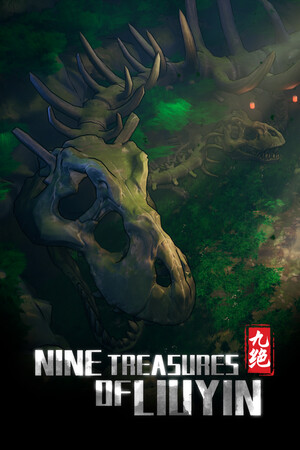
Unique and appealing world design: The game features a unique and well-realized world that blends cyberpunk elements with traditional Taoist and Chinese mythology, creating a distinct aesthetic and atmosphere. The art style is visually appealing, with detailed environments, character designs, and animations that enhance the storytelling.
Combines familiar elements uniquely: The game draws inspiration from other popular Metroidvanias and Soulslikes, such as Hollow Knight and Sekiro, but maintains its own unique identity. It successfully combines elements from these games while introducing new ideas and mechanics, resulting in a fresh and engaging experience.
Exceptional and memorable boss fights: The boss fights are a major highlight, offering unique challenges and requiring players to master the game's mechanics. The final boss is particularly well-designed and provides a satisfying culmination of the player's skills. The music during boss fights is also exceptional, enhancing the intensity and emotional impact of the encounters.
Common complaints
Unforgiving, unbalanced difficulty; frustrating deaths: The game's difficulty is a major point of contention. Many reviewers found the game to be brutally difficult due to enemy attack patterns, limited invincibility frames, and the need for precise parrying. Some also noted that the placement of checkpoints and the mechanics of retrieving lost currency upon death added to the frustration.
Linear level design; poor map: Many reviewers felt that the game's level design was too linear for a Metroidvania, lacking the sense of exploration and discovery found in other games in the genre. The map system was also criticized for being unhelpful or lacking key features.
Tedious backtracking, limited fast travel: Reviewers frequently criticized the game's world design and traversal mechanics. The lack of early access to fast travel, the restrictive nature of the fast travel system (often requiring a return to a central hub), and the tedious backtracking contribute to a less enjoyable exploration experience.
Problematic specific boss encounters: Some specific bosses, such as Lady Butterfly, were singled out for being particularly frustrating due to their multi-phase designs, confusing mechanics, or inconsistent hitboxes.
Poorly explained mechanics: Some reviewers found the game's mechanics to be poorly explained, leading to confusion and frustration. This includes mechanics such as summoning characters or understanding the effects of certain items.
Gameplay and performance
Parry-focused combat, Sekiro-inspired: The core combat revolves around a parry system, drawing heavy inspiration from Sekiro, but with unique mechanics like internal damage and talisman usage. Mastering parrying is essential for survival and progress, as it builds Qi for powerful talisman attacks. While the parry window is generous, the game demands precise timing and memorization of enemy attack patterns, with different parry types for various attacks.
Customizable builds via Jades/Skills: The game offers a variety of customization options through the Jade system (similar to Hollow Knight's charms), a skill tree, and different arrow types for the bow. These systems allow players to tailor their playstyle, experiment with builds, and adapt to different combat situations. However, some reviews suggest that certain Jades and skills are more useful than others, potentially limiting build diversity.
Linear Metroidvania world design: The game incorporates Metroidvania elements such as interconnected levels, ability-gated progression, and backtracking, but it leans towards a more linear experience compared to games like Hollow Knight. The map design facilitates exploration and rewards players with upgrades and secrets, but some reviewers found the exploration less captivating than the combat.
Varied gameplay: puzzles, stealth: Beyond the core combat and exploration, the game includes a variety of additional elements such as platforming challenges, puzzles, stealth sections, and mini-boss encounters. These elements provide a change of pace and add depth to the gameplay experience, with some reviewers highlighting the boss fights as a particular strength.
Pattern recognition, boss phases: The game emphasizes learning enemy attack patterns and timing parries, requiring players to adapt to different enemy behaviors. Boss fights often have multiple phases with evolving attack patterns, demanding a methodical approach and rewarding players for mastering the combat system. This focus on pattern recognition and precise execution is a key element of the game's challenge and appeal.
Excellent and optimized performance overall: The game generally exhibits excellent performance, running smoothly on various hardware configurations, including the Steam Deck and lower-end PCs. Many reviewers reported stable frame rates, optimized performance, and a lack of significant bugs or technical issues. Some even highlight the game's flawless performance and optimization.
Occasional bugs and technical issues: While generally stable, some players have reported occasional crashes, bugs (like audio cutouts and hitbox issues), and noticeable asset pop-in. Additionally, the game doesn't pause when Alt+Tab is used, and cutscenes cannot be paused, which can be problematic.
Noticeable loading times impact pacing: Some reviewers found the loading screens between areas and long travel animations (elevators, trams) to be somewhat lengthy, which negatively impacts the game's pacing. This was noticeable even with the game installed on an NVMe SSD.
BGM can cause eye strain: The background music can be distracting due to the amount of visual information on the screen. Lowering the BGM volume can help reduce eye strain and make it easier to hear important sound cues during gameplay.
Inconvenient revive/teleport system: The game has long runs between revive points and many bosses, and teleportation is restricted to teleporting back to home base first.
Recommendations
Highly recommended; worth the cost: The game receives overwhelmingly positive recommendations, with many reviewers calling it a "masterpiece" and a GOTY contender. Reviewers highlight the game's high quality, satisfying gameplay, and unforgettable experience, making it worth the time and money. Many reviewers express strong positive emotions and a desire for more content.
Similar to Hollow Knight/Sekiro: Many reviewers compare the game to Hollow Knight and Sekiro, noting similarities in gameplay and difficulty. Some recommend it to fans of those games, while others caution against expecting a similar experience. Some reviewers suggest playing Hollow Knight first to get familiar with the genre.
Consider sale, story mode: Some reviewers suggest buying the game on sale due to the limited content or potential for frustration. Others advise switching to story mode if the difficulty becomes too overwhelming. A few reviewers strongly advise against playing the game, calling it a waste of time.
Challenging, adjustable difficulty: The game's difficulty is a significant point of discussion, with some reviewers finding it challenging but rewarding, while others recommend using story mode to alleviate frustration. Reviewers suggest that the game is accessible to both casual and hardcore players due to the adjustable difficulty.
Compelling story and characters: Reviewers praise the game's story, characters, and world-building, noting that they are memorable and well-paced. Some recommend reading all dialogue and lore to enhance the ending's impact. Many reviewers consider the game a hidden gem that deserves more attention.
Other review notes
Unique "Taopunk" aesthetic and setting: The game features a unique "Taopunk" aesthetic, blending Taoism, cyberpunk, sci-fi, and Chinese mythology. This combination creates a distinctive atmosphere and setting that sets it apart from other games in the genre. The world, characters, and story are heavily inspired by these elements.
Inspired by Sekiro, Hollow Knight: The game draws inspiration from other popular titles like Sekiro and Hollow Knight, particularly in its combat and exploration mechanics. While comparisons are inevitable, reviewers note that Nine Sols brings its own unique elements to the metroidvania formula. Some reviewers went into the game with the mindset of proving it was worse than Hollow Knight.
Complex story, mixed reception: The game's story explores themes of morality, mortality, betrayal, and the consequences of seeking eternal life, drawing from Chinese mythology and Taoist philosophy. While some find the narrative engaging and well-crafted, others find it confusing, generic, or that it gets in the way of the gameplay. The story revolves around the protagonist Yi's quest for revenge and uncovering the mysteries of the past.
Bloody and violent content: Despite its cute aesthetic, the game contains significant amounts of blood, gore, and violence, with some scenes being disturbing or unsettling. This contrast between the visuals and the violent content may be off-putting to some players. Players should be aware of the potential for gruesome imagery.
Multiple endings, short playthroughs: The game features multiple endings, but they can be achieved within a relatively short amount of time, sometimes requiring only two playthroughs. The game provides a save rollback before the ending split, making it easier to experience both endings in a single playthrough. There is at least one achievement that requires a second playthrough.