- Combat is satisfying and fun
- Beautiful art and visuals
- Engaging exploration and world
- Excellent souls-like experience
- Level design is labyrinthian
- Enemy placement and variety poor
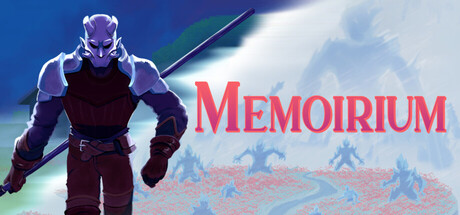
Emotions
Archetypes
What players like:
Common complaints:
Gameplay feedback:
Performance notes:
Recommendations:
Other player notes:
Similar games
Blend with other games

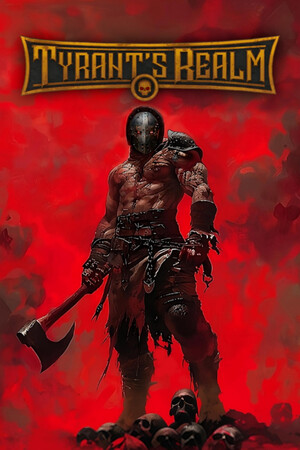

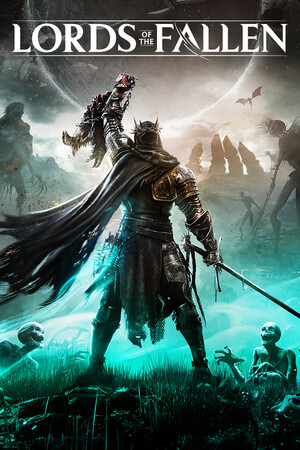
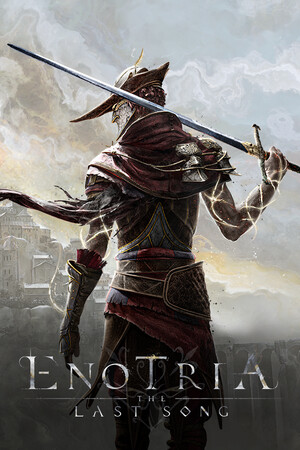




Review evidence
Why players say this
Review evidence
Why players say this
Steam review verdict
Satisfying combat, gorgeous visuals, and engaging exploration make this a standout souls-like, though labyrinthine level design and weak enemy variety hold it back.
What players like
Combat is satisfying and fun: Players consistently praise the combat as fluid, engaging, and satisfying, with some noting it feels fresh to the genre. This is a core strength of the game.
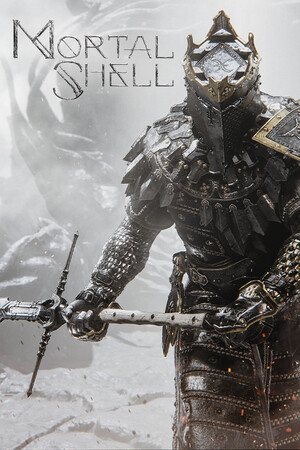
Beautiful art and visuals: The art style is frequently praised as gorgeous, beautiful, and fantastic, with particular appreciation for the low-poly style and its visual variety. The visuals are considered incredible and contribute to the game's appeal.
Engaging exploration and world: The world is described as fun to explore, interconnected, and rewarding, with secrets and heavy rewards for exploration. Level design is also praised for its personality and interconnected feel.
Excellent souls-like experience: The game is repeatedly described as one of the best souls-like titles, with interesting twists like the Stress system and deflect mechanic. It offers challenging, methodical combat that appeals to genre fans.
Unique and creative vision: Players appreciate the game's creativity, unique vision, and the love put into it, noting its odd but good personality. This originality is a key draw.
Common complaints
Level design is labyrinthian: Zones feel large, confusing, and full of locked doors, with thin platforms and death drops. Navigation is often tedious, requiring long walks back to bosses or through areas.
Enemy placement and variety poor: Enemies are placed haphazardly, often in groups with no crowd control, and there is a severe lack of variety. Ranged enemies are particularly tough and deal heavy damage.
Enemies and bosses too tanky: Multiple reviews report that enemies, especially bosses, have overly large health pools, making fights feel drawn out and progress slow. This is a common complaint across several clusters.
Dismal Depths area poorly designed: The Dismal Depths and similar endgame zones are criticized for janky platforming, unavoidable lightning damage, and frustrating navigation. These areas are described as some of the worst experiences in the game.
Boss fights have annoying mechanics: Bosses feature quick attacks, homing projectiles, environmental hazards, and high HP, making fights feel unfair and overly demanding. Specific bosses like Tobb and the Secret Boss are singled out as particularly miserable.
Gameplay and performance
Soulslike with Sekiro parry focus: The game is repeatedly described as a soulslike, with combat mechanics similar to Sekiro, emphasizing parrying as the primary defensive strategy. This is a core identity of the game.
Interconnected level design praised: Many reviewers highlight the interconnected world and shortcuts, comparing it favorably to Dark Souls 1. This design is seen as a strong point, rewarding exploration.
Unique stats and gear system: The game introduces unusual stats and gear slots, with gear providing passive effects and scaling damage. This offers build variety but may be confusing to some.
Low-poly retro aesthetic: The game's low-poly, PS1-era visual style is frequently mentioned, often with modern tweaks. This retro look is a distinctive feature that appeals to fans of classic games.
Room decoration feature: A room decoration mechanic is noted, allowing players to customize a personal space. However, it has no effect on gameplay, which may limit its appeal for some.
Steam Deck compatibility praised: Multiple reviewers report the game runs smoothly on Steam Deck, with no issues encountered. This positive experience is highlighted across several clusters.
Optimization needed for old hardware: A reviewer mentions the game requires optimization for older equipment, implying performance issues on legacy systems. This could be a barrier for some players.
Runs on integrated graphics: One reviewer notes the game is playable on integrated graphics, indicating low hardware requirements. This suggests broad accessibility for less powerful systems.
Camera sensitivity adjustable via settings: One reviewer found the camera movement too sensitive initially but resolved it by changing Steam input settings. This indicates a customizable control scheme.
Recommendations
Strong recommendation for Souls fans: Multiple clusters highlight that the game is highly recommended for fans of Dark Souls and soulslikes, with specific praise for its similarity to Dark Souls 1. This is the most frequent and detailed feedback, indicating a strong positive reception among the target audience.
General high recommendation: Several clusters express unqualified recommendations, using phrases like 'definitely recommend' and 'cannot recommend this enough'. This suggests the game has broad appeal and satisfies most players.
Recommendation for specific subgenres: The game is recommended for fans of Sekiro combat, liminal or weirdcore soulslikes, and artsy familiar soulslikes. This indicates the game blends familiar mechanics with unique aesthetic elements that appeal to niche tastes.
Nostalgic Dark Souls 1 experience: Players who are nostalgic for the original Dark Souls experience or missed it are encouraged to try this game. It seems to capture the essence of DS1 exploration and atmosphere.
Try demo before buying: One player suggests trying the demo first before making a purchase decision, implying the game may not be for everyone. This is a cautious but practical recommendation.
Buying context
The game is fun initially but becomes less enjoyable as players encounter progression issues, locked doors, and difficulty spikes.
Friction: Confusing start with lack of tutorial; Locked doors stopping zone progression; Steep learning curve for bosses; Messy and unorganised progression system; Limited enemy variety; Nonlinearity and power progression issues.
Player profiles
Souls Veteran: Solo, methodical, appreciates exploration and boss fights, values familiar yet distinct mechanics. Motivation: To experience a well-crafted souls-like with unique artistic twists and interconnected world design. Stance: buy.
Struggling Newcomer: Grinds for levels, seeks advice, explores to find tools and routes, and takes breaks when frustrated. Motivation: To overcome difficulty and learn the souls-like genre through persistence and community guidance. Stance: buy.
Solo Dev Appreciator: Plays thoroughly and appreciatively, often highlighting the game's craftsmanship and value relative to its development scale. Motivation: To support and appreciate the achievement of a solo developer, especially from an underrepresented region. Stance: buy.
Other review notes
Solo developer from Philippines: Multiple reviews highlight that the game was created by a single developer based in the Philippines, emphasizing the indie and personal nature of the project.
Comparisons to Dark Souls 1: Several reviews compare the game to Dark Souls 1, particularly praising its interconnected level design and lack of fast travel, which evokes the classic Souls experience.
Souls-like genre classification: The game is consistently described as an indie souls-like, fitting within the broader genre of challenging action RPGs inspired by FromSoftware titles.
Comparisons to Sekiro and Lies of P: Reviewers note combat similarities to Sekiro and Lies of P, particularly the emphasis on parrying and perfect guard mechanics, which some find more intuitive.
Playtime around 10-15 hours: Multiple reviews mention that the first playthrough takes approximately 10-15 hours, indicating a relatively short but substantial experience.