- High replayability and meaningful choices
- Compelling story and characters
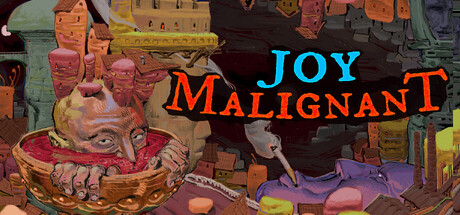
- Unique surreal art style
- Ending feels abrupt and unsatisfying
- Mosaic system feels inconsequential
- Very short playtime
Emotions
Archetypes
What players like:
Common complaints:
Gameplay feedback:
Performance notes:
Recommendations:
Other player notes:
Similar games
Blend with other games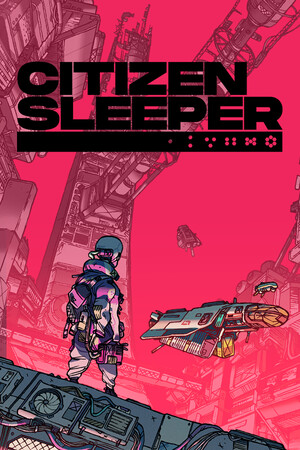






Review evidence
Why players say this
Review evidence
Why players say this
Steam review verdict
High replayability and meaningful choices, a compelling story and characters, and unique surreal art are offset by an abrupt, unsatisfying ending, a pointless mosaic system, and a very short runtime.
What players like
High replayability and meaningful choices: Multiple endings and branching paths encourage replays to see different outcomes. Choices shape the story and character development, including the ability to play as an antagonist.
Compelling story and characters: Reviewers consistently highlight the engaging narrative and memorable, fully realized characters. The story is told gradually, building intrigue and emotional investment.
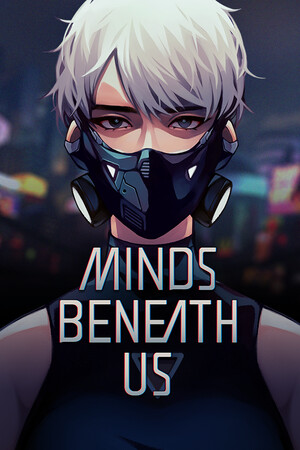
Unique surreal art style: The eccentric, dream-like visuals are frequently described as beautiful, striking, and perfectly suited to the game's shifting world. The style draws comparisons to Dalí and dadaism.
Rich and immersive worldbuilding: The setting of Visceria is fascinating, with deep lore and a tangible, grimy atmosphere. The world reacts to player actions in meaningful ways.
Exceptional writing quality: Many players praise the writing as solid, well-crafted, and among the best they've experienced. The dialogue is concise and avoids being overly verbose.
Common complaints
Ending feels abrupt and unsatisfying: Players report that the game ends abruptly, with no epilogue and only two different endings. Some feel it stops at the most exciting moment.
Mosaic system feels inconsequential: The mosaic system does not affect gameplay much; the shape you take only changes a few lines of dialogue and some resource-based rolls. Additionally, characters' mosaics are not complex enough and are too immediately telling.
Too few characters and content: There are only 5 or 6 characters, and not enough NPCs and side characters to make the world feel as described. The limited cast makes the game feel sparse.
Fails to live up to Citizen Sleeper: The game is seen as a shallow attempt at recreating Citizen Sleeper without understanding what made it interesting. It is also not as emotional as its contemporaries.
Narration and pacing issues: The narration fails to live up to the picture it tries to paint, and the story unfolds without tact or grace.
Gameplay and performance
Mosaic character system: A central mosaic system represents character development, with pieces earned through choices and affecting stats. The mosaic visually reflects the character's growth and final form.
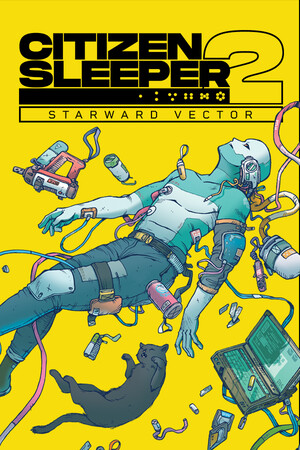
Citizen Sleeper inspiration: Multiple reviewers note the game's mechanics and format are heavily inspired by Citizen Sleeper, with some calling it a direct copy. The dice-based system and narrative structure are frequently compared.
Branching narrative choices: The game is a choice-heavy narrative experience with branching dialogue and multiple outcomes based on decisions. Players shape the story through their choices.
Dice-based resource rolls: The game uses dice mechanics for resource-based rolls, with chances affected by character shape and masks. Strategy involves calculating decisions to achieve goals.
Simple gameplay mechanics: The gameplay is considered simple, with straightforward dice-based rolls and resource management. Some find it accessible but not deep.
Steam Deck trackpad immersion: One reviewer found the trackpad controls on Steam Deck to feel immersive. This is a single, isolated positive comment with limited supporting detail.
Steam Deck dialogue readability: A reviewer reported that dialogue is readable on Steam Deck with no issues. This is a standalone positive note without broader context.
Recommendations
Broadly recommended narrative experience: A large share of reviews are simple positive endorsements encouraging others to play the game. The enthusiasm is consistent, though most give little specific reasoning.
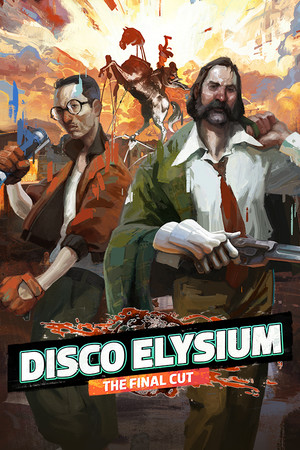
Strong Disco Elysium and Citizen Sleeper appeal: Multiple reviewers recommend the game specifically to fans of Disco Elysium and Citizen Sleeper, citing deep lore, philosophical themes, and narrative depth. This is the most frequently repeated comparison and target audience signal in the feedback.
Worth the price and multiple playthroughs: Several players say the game is well worth its price and worth replaying or buying on sale. Reviewers frame it as good value for the cost.
Short but memorable story-driven game: Reviewers describe an excellent, short, story-focused experience that lingers afterward. Some caveat that it has little replay value but remains memorable.
Appeals to fans of story RPGs: Players recommend it to anyone who enjoys story-based RPGs and narrative games exploring personhood and society. The pull is the writing and themes rather than mechanics.
Buying context
Community fair range: $9.99 - $19.99.
Game completion: 2.5h.
Story completion: 2.5h.
Session length: 2.0h.
Endgame: 0.8h.
Players describe the game as simple but addicting, with strategy, surprise, and choice-driven progression providing fun. The reviews do not identify a timing threshold or early blocker.
Player profiles
Choice-Driven Narrative RPG Fan: Role-plays through questlines, weighs decisions carefully, and avoids options that feel morally objectionable. Motivation: Immersing in a strong narrative where moral choices and character writing matter. Stance: buy.
Disco Elysium and Citizen Sleeper Connoisseur: Approaches the game through genre comparison, engaging closely with dialogue checks, lore, and unusual visuals. Motivation: Finding a compact narrative RPG with deep lore and dice-driven dialogue similar to favorite genre titles. Stance: buy.
Art-Form Vibe Seeker: Plays for mood, visuals, music, and artistic expression rather than mechanical challenge. Motivation: Experiencing an atmospheric artistic work and supporting a solo developer's creative vision. Stance: buy.
Other review notes
Very short playtime: Many players report completion in around 2-3 hours, with some finishing in under two hours or in a single sitting.
Citizen Sleeper gameplay comparison: Frequent comparisons to Citizen Sleeper highlight shared mechanics and structural inspiration, though some reviewers feel it falls short of the original.
Disco Elysium inspiration: Multiple reviewers note the game's strong thematic and spiritual resemblance to Disco Elysium, citing philosophical leanings and classic literary themes.
Short surreal narrative game: Reviewers describe it as a brief, story-focused experience with surreal and dreamlike elements and light RPG mechanics.
Dadaist surrealist art style: The game features a distinctive dadaist/surrealist visual style, with strange but interesting graphics and an original visualization.