- Engaging and beautiful storytelling
- Outstanding game soundtrack
- Immersive world design
- Basic and boring gameplay
- Repetitive gameplay loop
- Illusion of choice in dialogue
Emotions
Archetypes
What players like:
Common complaints:
Gameplay feedback:
Performance notes:
Recommendations:
Other player notes:
Similar games
Blend with other games





Review evidence
Why players say this
Review evidence
Why players say this
What players like
Engaging and beautiful storytelling: The game features a beautifully written and captivating story that players find engrossing and fun. The narrative is deep, rich, and superb, with excellent world-building and amazing storytelling.
Outstanding soundtrack: The game's soundtrack is highly praised, described as fantastic, incredible, and breathtaking. It complements the game's atmosphere and is considered one of the best parts of the game.
Immersive world design: The game offers an immersive world with rich and detailed environments. Players appreciate the lived-in feel of the world and the immersive atmosphere.
Excellent writing: The writing in the game is highly praised for being well-written, evocative, and impactful. Characters and plotlines are particularly noted for their quality.
Phenomenal artwork: The game's artwork is praised as phenomenal, incredible, and beautiful. Both character designs and graphics are highly appreciated by players.
Common complaints
Basic and boring gameplay: The gameplay is described as very basic, lacking significant thought or puzzle elements. It is often seen as boring and simplistic, with little strategy involved.
Repetitive gameplay loop: The game flow and mechanics become repetitive, especially in the later stages, leading to a lack of engagement and interest.
Weak character development: Characters in the game are often seen as underdeveloped and uninteresting, with weak portrayal and unclear motivations.
Illusion of choice in dialogue: Dialogue choices in the game often feel like they don't matter, with limited impact on the plot, leading to a sense of false agency.
Weak and formulaic narrative: The narrative is described as weak, lacking coherence and meaningful divergence. It often feels formulaic and uninspired.
Gameplay and performance
Narrative-driven and choice-based gameplay: The game is heavily focused on narrative and storytelling, with gameplay driven by player choices and decisions. This includes a variety of narrative elements such as questlines, character-focused stories, and consequences of choices.
Dice-based mechanics: The game incorporates a dice system for determining the outcomes of actions, adding an element of chance and strategy. Players roll dice for various tasks and interactions, influencing the game's progression.
Resource and time management: Players must manage resources and time effectively to progress in the game. This includes inventory management, energy allocation, and strategic planning.
Visual novel elements: The game features visual novel elements, combining text-based storytelling with interactive gameplay. This includes dialogue choices, character interactions, and narrative-driven progression.
Cyberpunk and sci-fi setting: The game is set in a cyberpunk or sci-fi environment, providing a rich, immersive backdrop for the narrative and gameplay. This setting influences the themes, characters, and overall atmosphere.
Good performance on Steam Deck: The game runs well on Steam Deck, including the OLED version, with only minor issues reported.
Frequent restarts required: Players report that the game requires constant restarting, which disrupts the gaming experience.
Low system requirements: The game does not require a strong PC to run, making it accessible to a wide range of hardware.
Recommendations
Recommended for narrative fans: The game is frequently recommended for fans of interactive novels, visual novels, and narrative-driven games. It is also suggested for those who enjoy text adventures and story-driven experiences.
Highly recommended game: Many players strongly recommend this game, especially for those who enjoy its genre. It is often suggested to purchase it on sale if there are any doubts.
Rich worlds and endings: The game is recommended for those who enjoy rich worlds, multiple endings, and interactive literature. It also appeals to players who appreciate social commentary in games.
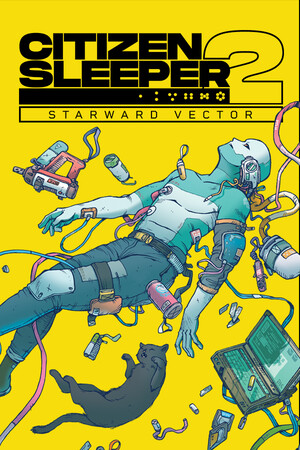
Anticipation for sequel: Many players express excitement and anticipation for the sequel. They plan to play the second game after finishing the first one.
Worth the time and money: Players find the game worth the time to experience more than once and worth the money if you enjoy this type of experience. It is particularly valued for its story and setting.
Buying context
Community fair range: $5.00 - $15.00.
Game completion: 12.0h.
Story completion: 4.5h.
Session length: 2.0h.
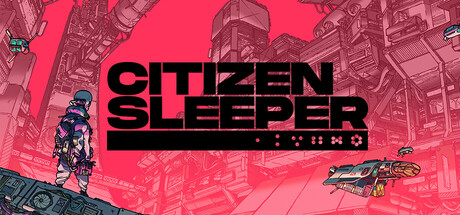
Citizen Sleeper offers an immediately engaging experience with its strong narrative hook and addictive early-game mechanics, but may become repetitive and less challenging over time.
Reported time to anchor: 30m.
Friction: Repetitiveness in gameplay; Lack of challenge in late game; Tedious mechanics towards the end.
Player profiles
Completionist Story Seeker: Explores different story paths and seeks to complete all achievements. Motivation: To experience all narrative content and achieve all possible endings. Stance: buy.
Narrative Immersionist: Focuses on the narrative and emotional engagement with the game's world and characters. Motivation: To immerse themselves in the game's story and character development. Stance: buy.
Mechanics Enthusiast: Focuses on the strategic and mechanical aspects of the game. Motivation: To enjoy and master the gameplay mechanics. Stance: sale.
Platform notes
Steam Deck: The analysis of user feedback on the Steam Deck experience reveals a mix of positive and negative points. While some users encountered issues with UI elements and selection, others found the navigation and controls to be manageable after an initial learning curve. Overall, the performance of the Steam Deck was praised by several users, indicating a generally positive experience with the device.
Linux and Proton: The game shows strong compatibility and performance on Linux-based systems, particularly on the Steam Deck. Users reported smooth gameplay and minimal issues, suggesting a positive experience for Linux users.
Other review notes
Desire for more sci-fi elements: Players have expressed a hope for additional sci-fi elements to be incorporated into the game, indicating a desire for more content in this genre.
Deep philosophical themes explored: The game delves into existential and societal questions, prompting players to reflect on deeper philosophical implications.
Cat-related financial struggles: Some players humorously noted that a cat nearly caused them financial ruin, adding a unique and memorable aspect to the gameplay.
Game received from Jingle Jam: Several players mentioned that they received the game from Jingle Jam, which might have influenced their decision to play and review it.
Mentions of DLC: There were mentions of DLC, though without specific details or context provided by the players.