- Hilarious and witty dialogue
- Engaging and likable characters
- Fun and charming story
- Maps are maze-like and confusing
- Excessive backtracking and walking
- Combat lacks depth and balance
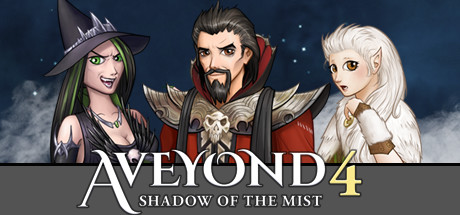
Emotions
Archetypes
What players like:
Common complaints:
Gameplay feedback:
Performance notes:
Recommendations:
Other player notes:
Similar games
Blend with other games




Review evidence
Why players say this
Review evidence
Why players say this
Steam review verdict
Charming story, witty dialogue, and likable characters shine, but maze-like maps, constant backtracking and walking, and shallow, unbalanced combat drag the fun down.
What players like
Hilarious and witty dialogue: Players frequently highlight the humorous, unique, and engaging conversations. The dialogue is described as funny, tongue-in-cheek, and a major source of enjoyment.
Engaging and likable characters: The characters are widely praised as engaging, likable, and interesting. Many players find them a key strength of the game.
Fun and charming story: The storyline is described as funny, captivating, and full of charm. It keeps players engaged and wanting to continue.
Plenty of quests and sidequests: The game offers many quests and side quests, providing lots of content. Side quests are generally considered fun and interesting.
Easter eggs and throwbacks: There are numerous references and callbacks to previous Aveyond games. These easter eggs delight players familiar with the series.
Common complaints
Maps Are Maze-Like and Confusing: Maps are described as poorly designed, overly large, and maze-like, making navigation frustrating and confusing. Many players feel the world map is small and cramped yet still complicated, with frequent disorientation.
Excessive Backtracking and Walking: A recurring complaint is the tedious amount of walking back and forth, often through large, maze-like areas with slow movement and no way to speed up. This makes exploration feel like a chore rather than engaging gameplay.
Combat Lacks Depth and Balance: Combat is criticized as lackluster with unbalanced moves, repetitive strategies, and sudden difficulty spikes. Some moves are never used, and RNG can cause unfair losses.
Story Starts Strong, Falters Later: The narrative begins well but loses focus and quality midway, with many finding it hard to stay engaged. The plot becomes scattered, bogged down by fetch quests, and lacks a satisfying climax.
Lack of In-Game Maps and Guidance: Players are frustrated by the absence of maps and minimal in-game help, often resorting to online guides. This exacerbates confusion and makes progression feel like wandering.
Gameplay and performance
Extensive sidequest content: The game includes many side quests, including multipart and unmarked quests. There is a large number of side quests available, and some quests are composed of smaller quests.
Backtracking required: Players must backtrack between locations and revisit old areas frequently. There is no fast travel or quick teleport system, making backtracking a significant part of the experience.
Unique character playstyles: Each playable character has distinct mechanics, fighting styles, and skill sets obtained in different ways. The game features six characters with unique gameplay and abilities.
Retro RPG genre: The game is consistently described as a role-playing game with old-school or classic RPG elements and a retro style. This defines the core genre and target audience.
Turn-based combat with puzzles: Combat is turn-based, and the game includes graphical adventure elements such as quests and puzzles. This blend of mechanics defines the gameplay loop.
Audio settings fail to persist: Audio settings do not persist or apply, forcing music and sound effects despite being disabled. The audio slider for sound does not work.
Music cuts out after combat: Sound glitches where music cuts out, often after combat, and the only way to bring it back is to exit the area and return. This disrupts immersion.
Character rotation lag in chunks: Character rotation in 90-degree chunks adds several frames of lag, making movement feel unresponsive and choppy.
Limited screen size options: Only two screen sizes are available; full screen stretches for widescreen displays, causing distorted visuals on modern monitors.
Controller support with analog stick: Plays well on an Xbox One controller, though must use analog stick instead of D-pad. This is a minor limitation for some players.
Recommendations
Strong General Recommendation: A large number of reviews simply recommend the game with high praise, often without detailed reasoning. The sentiment is overwhelmingly positive and enthusiastic.
Franchise Fans Will Enjoy: Many reviewers specifically recommend the game to those who have played and enjoyed other Aveyond titles. Familiarity with the series is a strong predictor of enjoyment.
Great Starting Point: Several reviews suggest that this game is a good entry point for newcomers to the Aveyond series. It can be enjoyed as a standalone without prior experience.
Good Value and Worth It: Many reviewers consider the game worth its price, especially for fans of the genre or series. Some suggest waiting for a sale to get the best deal.
Humorous and Story-Driven: The game's humor and engaging story are frequently praised. It is recommended for those who appreciate witty dialogue and narrative-focused RPGs.
Buying context
Community fair range: $9.99 - $14.99.
Game completion: 40.0h.
Story completion: 20.0h.
Session length: 2.0h.
Reports cluster around strong initial enjoyment that fades into boredom, repetition, and tedium as the game progresses, especially past the midpoint. A minority of players find the battles, humor, and side quests enjoyable throughout.
Friction: Heavy backtracking and walking between locations; Slow movement with no late-game teleportation between cities; Slow character power progression; Annoying fetch quests that bog down the plot; Unclear direction and weak guidance; Endgame gameplay becomes repetitive and tedious.
Unlock drivers: Mist portals reduce walking back and forth between locations; Hidden-entrance helper saves time and clicks searching every wall.
Player profiles
Aveyond Series Veteran: Plays through multiple Aveyond entries, compares them, and replays favorites; expects old-school RPG structure. Motivation: Continuing and revisiting the Aveyond franchise for nostalgia, familiarity, and series improvement. Stance: buy.
Old-School Turn-Based RPG Enthusiast: Plays traditional top-down, turn-based RPGs and compares them to genre classics; values story-driven progression. Motivation: Reliving classic RPG feel through turn-based combat, top-down exploration, and RPG Maker style. Stance: buy.
Newcomer and Casual Time-Constrained Player: Starts with Aveyond 4 without prior series knowledge, plays in short sessions, saves often, and uses easy or normal settings to avoid grinding. Motivation: Accessible entry into Aveyond with flexible saves, low grind, and balanced difficulty for interrupted play. Stance: buy.
Extra review signals
External guides: The reviews focus on external guide dependency for navigation and technical glitches when minimizing the game to consult Google or a strategy guide. There are no explicit mentions of farming, drop rates, loot tables, inventory management, crafting requirements, quest outcomes, builds, secrets, or complex mechanics. Under the strict scoring priority, the audit defaults to Tier 4: The Tourist.
Other review notes
Long playtime reported: Multiple reviewers report playtimes of 20 to 70 hours, with many completing the game in 25-40 hours. This indicates substantial content and replay value.
Part of Aveyond series: The game is clearly identified as the fourth entry in the Aveyond series, and many reviewers are longtime fans. It connects to previous games through references and shared universe.
Standalone but connected story: While part of a series, the game can be played independently with little overlap to previous stories. Playing earlier games is recommended for full context and to avoid spoilers.
Comparison to earlier Aveyond games: Reviewers compare this game to earlier entries, noting a smaller world map and less open travel. Some prefer earlier games, while others praise this one as smoother and less grindy.
Comparisons to classic RPGs: Reviewers compare it to classic RPGs like Zelda, Final Fantasy, Secret of Mana, and old Square Soft games. It is praised for its strong story and fun sidequests.