- High-quality pixel art visuals
- Simple yet strategic gameplay
- Fun and novel 4x4 grid
- Excessive luck reliance
- Roguelike depth insufficient
- Repetitive gameplay loop

Emotions
Archetypes
What players like:
Common complaints:
Gameplay feedback:
Performance notes:
Recommendations:
Other player notes:
Similar games
Blend with other games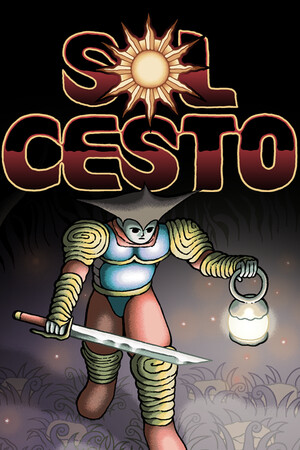




Review evidence
Why players say this
Review evidence
Why players say this
Steam review verdict
Great pixel art, simple strategic play, and a fun novel 4x4 grid are undermined by heavy luck reliance, shallow roguelike depth, and a repetitive loop.
What players like
High-quality pixel art: Players frequently praise the detailed, hand-drawn pixel art and cute character designs, creating a relaxing and visually appealing atmosphere.
Simple yet strategic gameplay: The game is easy to learn with intuitive controls but offers good strategic depth through decision-making and probability management.
Overall positive reception: Reviewers generally find the game interesting, of good quality, and worth recommending.
Fun and novel 4x4 grid: The 4x4 grid exploration with decision cards and probability display is a unique and enjoyable core mechanic.
Distinct characters and playstyles: Five characters offer different base stats, initial items, and passive skills, requiring distinct strategies and adding replayability.
Common complaints
Excessive luck reliance: Players frequently report that randomness dominates outcomes, with low-probability traps and events causing frequent, frustrating deaths. Even with probability modifiers, bad luck can abruptly end runs.
Roguelike depth insufficient: Many reviewers feel the roguelike elements are underdeveloped, with repetitive events and limited build variety reducing long-term engagement. The game is seen as not reinventing the genre and lacking strategic depth.
Difficulty spikes and imbalance: Difficulty varies wildly between biomes, with some areas much harder than others. Enemy spawn rates favor certain builds, and early game can be brutal without luck or meta-progression.
Repetitive gameplay loop: Reviewers complain about repetitive random events, enemy combinations, and fixed strategies after multiple plays. The core framework feels single and becomes monotonous over time.
Meta-progression feels thin: Players note that out-of-run progression, such as town rebuilding, offers minimal improvement and becomes grindy. Development points have limited uses, and starting characters feel weak without upgrades.
Gameplay and performance
Probability-based pixel roguelite: Players describe the game as a pixel-art roguelite that revolves around probability management and strategy. Runs are turn-based and heavily driven by random outcomes.
Turn-based roguelike strategy: Gameplay is turn-based and combines roguelike elements with strategy and resource management. Players plan moves and manage probabilities across runs.
Rune probability manipulation: Runes are a core system that lets players alter the probabilities of landing on or triggering specific cell types, such as reducing trap or strong enemy chances. They can be collected and upgraded during a run to change probability strength.
Stat-comparison combat system: Combat is resolved by comparing the player's relevant attack stat (physical or magic) against the enemy's. If the player's stat is equal or higher, the enemy dies without dealing damage; if lower, the player loses HP equal to the difference.
4x4 grid random events: Each level is a 4x4 board whose 16 cells are filled with random content such as monsters, traps, chests, and healing items. The fixed size keeps encounters compact and unpredictable.
Black screen on game start: Players report the game showing a black screen immediately after launching, preventing them from reaching the main menu or gameplay. This is a critical startup blocker.
Recommendations
Casual roguelite appeal: Many reviewers recommend the game for players who enjoy light, low-pressure roguelites with pixel art and casual strategy. It is described as a lightweight experience suited to relaxed play.
Luck-heavy strategy roguelike: Reviewers highlight probability management and randomness as core to the experience, recommending it to fans of luck-based tactical decisions. Players who enjoy testing their luck and calculating odds get the most from it.
Roguelike fans should try: Multiple clusters simply recommend the game to roguelike fans and those who like level-based roguelite progression. This is the most common generic recommendation across feedback.
Cute pixel art appeal: The pixel art style and cute characters are called out as a reason to recommend the game. It is suggested for players who like pixel roguelike strategy with charming visuals.
Turn-based strategy fans: Reviewers recommend it specifically to players who enjoy turn-based strategy combined with roguelike elements. Strategy enthusiasts are seen as the core audience.
Buying context
Game completion: 4.0h.
Session length: 0.5h.
The game is described as an immediately addictive lightweight roguelike with simple rules, cute pixel art, and a town-building loop; luck and repetition can frustrate some players, but no clear later turning point is reported.
Friction: Bad luck can cause frustration; Some reviewers find it grindy and repetitive; Roguelike variety is not rich.
Unlock drivers: High unlock efficiency and no resource or progression gating reduce grind; Town restoration provides a long-term loop that remains engaging.
Player profiles
Casual Bite-Sized Roguelite Player: Plays in short bursts and enjoys simple grid exploration without heavy planning. Motivation: Relaxing, low-pressure short roguelite sessions. Stance: buy.
Probability Optimizer Strategist: Optimizes odds with sigils, manages risk, and makes tactical choices on a 4x4 grid. Motivation: Mastering randomness by planning and manipulating tile probabilities. Stance: buy.
Risk-Tolerant RNG Thrill-Seeker: Embraces risky tile choices and unpredictable runs rather than trying to fully control the odds. Motivation: The thrill of uncertain outcomes and gambling-like risk. Stance: buy.
Other review notes
Town building meta-progression: Players progress by rebuilding a village hub using development points to unlock characters and abilities, with the town interface in the main menu.
Chinese voice and localization: The game includes Chinese voice acting and full Chinese language support, as repeatedly noted by players.
Similar to Sol Cesto: Many reviewers compare the gameplay structure, board size, and random mechanics to Sol Cesto, with some calling it a clone.
Large content variety: The game features over a hundred monster types, numerous runes, random events, and varied environments across runs.
Cute pixel art style: The pixel art visuals are frequently described as cute and approachable, serving as a major draw for players.