- Charming and fun platformer
- Unique fishing rod grappling mechanic
- Practice mode enhances learning
- Aggressive enemy spawns frustrate
- Tedious boss fights irritate
- Hard-to-learn controls challenge players
Emotions
Archetypes
What players like:
Common complaints:
Gameplay feedback:
Performance notes:
Recommendations:
Other player notes:
Similar games
Blend with other games






Review evidence
Why players say this
Review evidence
Why players say this
Steam review verdict
A charming platformer with a unique fishing-rod grappling hook and helpful practice mode, though aggressive enemy spawns, tedious bosses, and tricky controls frustrate.
What players like
Charming and Fun Platformer: Players describe the game as a fun, charming, and unique indie platformer, with some calling it one of the best 2D platformers. It is difficult but very enjoyable.
Practice Mode Enhances Learning: The practice mode allows players to master difficult sections and complete the game without guides, making trial and error easier. It is widely praised as a helpful feature for progress.
Unique Fishing Rod Grappling Mechanic: The fishing rod and hook serve as a versatile grappling tool with sophisticated physics, making the wire action fun and satisfying once mastered. It is a standout feature.
Challenging but Rewarding Gameplay: The game is really hard but worth playing, with balanced and well-thought-out gameplay that is extremely satisfying once you get the hang of it. It offers a great challenge.
Steam Version Quality-of-Life Improvements: The Steam version includes major improvements such as practice mode, quick reset, leaderboards, Workshop support, and reduced lag. These additions significantly enhance the overall experience.
Common complaints
Aggressive Enemy Spawns: Enemies spawn extremely aggressively, often right next to the player in tight areas with no chance to react. This leads to frequent, unfair deaths and frustration.
Tedious Boss Fights: Boss fights are often tedious and annoying, with poorly designed mechanics. Some players consider them the worst part of the game.
Hard-to-Learn Controls: Controls require extreme skill and trial and error, and are difficult to get used to. The grappling hook feels wonky and is hard to master.
Missing Quality-of-Life Features: The game lacks modern quality-of-life features that players expect, such as convenient saving and other conveniences. This makes the experience feel dated.
High Difficulty: The game is difficult, with a steep difficulty curve that ramps up to insane levels. Many players find it challenging.
Gameplay and performance
Fishing rod grappling hook traversal: The central mechanic is using a fishing rod as a grappling hook to swing, fling, and traverse levels. This unique movement system is praised for its creativity and is central to the gameplay.
Practice mode for difficult levels: A practice mode allows players to repeatedly attempt stuck levels without restarting from the beginning, providing infinite tries to master challenging sections. This feature is widely appreciated and available for any visited stage.
Precision platformer with challenging mechanics: Players highlight the game as a precision-based platformer that often feels like a puzzle game, requiring mastery of physics-based movement. The challenge is a core part of the experience and is frequently mentioned.
Arcade-style gameplay with lives: The game features an arcade-style structure with limited lives, no continues, and a timer for clearing levels. Running out of lives restarts the game from the beginning, emphasizing a classic arcade challenge.
Branching level paths and multiple exits: Levels connect to create multiple paths, with many stages having two exits—often a harder shortcut leading to different levels. This branching structure encourages exploration and replayability.
PC port outperforms original hardware: The PC version of the game runs better than it did on the original hardware. This indicates a well-optimized port that takes advantage of modern PC capabilities.
Runs well and accessible: The game runs smoothly and does not demand much from players, making it accessible to a wide audience. This suggests low system requirements and easy pick-up-and-play mechanics.
Slowdowns removed from original release: The slow downs that were present in the original release have been eliminated. This improves the overall performance and gameplay experience.
Rare crash on Fields 36 and 45: Two specific game fields can rarely cause the game to crash. This issue appears infrequently but is documented by players.
Recommendations
Recommended for hardcore platformer fans: Many reviewers recommend this game specifically to fans of challenging old-school platformers and skill-based 2D platforming. It is praised for its depth and steep difficulty curve.
Series entry advice varies: Opinions differ on which game in the Umihara Kawase series to start with; some recommend this one, while others suggest Shun or Sayonara are better. It is often called the best of the trilogy by some.
Requires patience and practice: Reviewers emphasize that the game demands practice and persistence to master, and improvement is rewarding. Those who enjoy a steep learning curve will appreciate it.
Great value, buy on sale: Many suggest buying the game on sale or as part of a trilogy bundle, noting the low price makes it an easy recommendation. Some would have paid full price.
Controller strongly recommended over keyboard: Multiple reviewers note that playing with a keyboard is inferior and a controller feels much better. Specific controller models like PS4 and 8Bitdo SFC30 are suggested as ideal.
Buying context
Game completion: 15.0h.
Story completion: 12.0h.
Session length: 0.5h.
Endgame: 50.0h.
Umihara Kawase is a high-learning-curve grappling-hook platformer that clicks after players invest in practicing the rubbery physics and hook timing. Once the hook mechanics are learned, the freedom and satisfying swings become rewarding, though arcade-style lives and later tedium can still frustrate.
Friction: High learning curve for the fishing hook physics; No continues or saving, with a lives system; Repetitive practice and replaying levels; Hook controls can feel wonky; Average skill players cannot keep up; Tedious boss fights and RNG enemy spam in late-game levels.
Unlock drivers: Learning to use the hook to throw Umi around; Practice Mode with map and progression tracking; Nailing swings and timing hook releases correctly; High degree of freedom in movement creates addictiveness; Multiple exits and non-linear level progression add exploration and replay value.
Player profiles
Physics Mastery Platformer Fan: Practices levels repeatedly, experiments with grapple techniques, and seeks satisfying mastery. Motivation: Mastering the grappling physics and improving personal skill through practice and experimentation. Stance: buy.
Speedrunner and Leaderboard Competitor: Runs levels for speed, uses advanced rubberband tactics, and chases leaderboard times. Motivation: Optimizing movement and routes to compete on leaderboards or against elite times. Stance: buy.
Old-School Challenge Purist: Takes on difficult precision platforming levels, tolerates high difficulty, and embraces a retro challenge. Motivation: Experiencing difficult, uncompromising old-school platforming that values player skill over modern convenience. Stance: buy.
Platform notes
Steam Deck: The Steam Deck experience appears largely seamless based on the reviews. The game requires a controller, which the Steam Deck provides, and there are no reports of Proton issues, external launchers, small text, battery drain, or stability problems. However, the game demands precise D-pad input, and some players find the controls strange and requiring adaptation. These are minor frictions, not technical barriers.
Other review notes
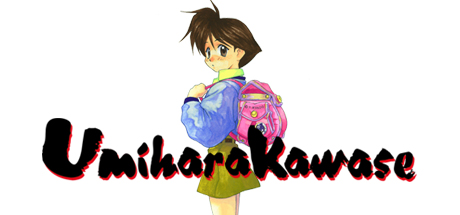
Super Famicom 1994 Original Release: The game was originally released on the Super Famicom in December 1994 in Japan. It is frequently described as a classic SNES title from that era.
Steam PC Port Available: The game is now available as a standalone PC version on Steam. It is a port of the Super Famicom title with platform improvements.
Never Released in West Until 2015: Despite being a Super Famicom title, it was never released in the US or given a proper English release until 2015. It took twenty years for the game to leave Japan.
Comparisons to Other Games: It has been compared to Super Mario World, Worms Armageddon's ninja rope, Getting Over It, Baba Is You, and others. These comparisons highlight its unique mechanics and difficulty.
Quality-of-Life Steam Enhancements: The Steam version adds practice mode, quick reset, leaderboards, and reduced processing lag. It also includes quality-of-life features not present in the original.