- Fun and solid auto-battler
- Extensive build variety praised
- Unique blood mechanic adds depth
- Runs are too long
- Late-game difficulty spikes harshly
- Lack of meta progression
Emotions
Archetypes
Hardware
What players like:
Common complaints:
Gameplay feedback:
Performance notes:
Recommendations:
Other player notes:
Similar games
Blend with other games


Review evidence
Why players say this
Review evidence
Why players say this
Steam review verdict
A fun auto-battler with extensive build variety and a unique blood mechanic, though runs drag on too long, late-game difficulty spikes harshly, and meta progression is lacking.
What players like
Gameplay is fun: The game is widely described as fun, interesting, and addictive to play. Reviewers find the core gameplay loop engaging and more open-ended than expected.
Solid auto-battler: Reviewers identify the game as a solid and excellent auto-battler, offering good value for its price. The autobattler systems are described as enjoyable and well-executed.
Extensive build variety: Players highlight the wide variety of builds, strategies, and tactical schools available. The game offers many unit types and rich build variety, contributing to its depth.
Art style praised: Players consistently praise the game's art style and design, describing it as clean, textured, and distinctive. The visual presentation is a standout feature for many reviewers.
Unique blood mechanic: The blood-based spell and summoning system is a distinctive and innovative feature. Using blood as a resource for spells and rituals adds strategic depth and is a highlight for many.
Common complaints
Runs are too long: Multiple clusters indicate that single runs are excessively long, often taking two hours or more, which makes the game tiring and reduces replayability. This is a common complaint across several clusters.
Late-game difficulty spikes: Players report that late-game enemy stats inflate significantly, making battles feel unfair and requiring specific builds. This is a frequent issue that affects the overall difficulty curve.
High difficulty relies on luck: On the highest difficulty, success often depends on random factors rather than skill, leading to frustration. This is highlighted in multiple clusters as a major design flaw.
Lack of meta progression: The absence of out-of-run progression makes each run feel like a hard fight with little sense of growth, reducing long-term motivation. This is a recurring theme across several clusters.
Late-game visual clutter: In late-game battles, the screen becomes cluttered with units that blur into color blocks, making it hard to track your own units. This affects tactical decision-making and overall experience.
Gameplay and performance
Core gameplay is auto-battler: The game is consistently described as an auto-battler, often combined with roguelike and deck-building elements. Players place units and watch automatic combat, with a tug-of-war or Total War-like feel.
Blood resource fuels spells: Blood from fallen units is a core resource used to cast spells, summon units, and perform sacrifices. This mechanic is highlighted across multiple clusters, indicating its importance in gameplay.
Roguelike elements are central: The game is frequently labeled a roguelike or roguelite, with runs featuring procedural or varied challenges. This genre blend is a key part of the game's identity.
Spells influence battles: Players can cast spells during combat, including healing, summoning, and sacrificing units. The spell system is a notable feature that adds tactical depth.
Origins and faiths customize playstyle: Players choose from origins and faiths at the start, which provide different abilities and tactical styles. This character creation system is frequently mentioned.
Performance is generally smooth: Players report that battles run smoothly even on older Mac hardware, indicating good optimization. Occasional minor lag is noted but it resolves itself quickly.
Shop UI mouse bug: There is a bug where the mouse is sometimes recognized on the next UI layer while in the shop, causing unintended interactions. This is a specific usability issue.
Steam Deck support lacking: Steam Deck support is reported as not very good, indicating compatibility or control issues on that platform. This may deter some players.
Recommendations
Overall positive recommendation: Many reviewers give a general positive recommendation, stating the game is worth experiencing or highly recommended. This indicates broad satisfaction among players.
Recommended for auto-battler roguelike fans: Multiple reviewers recommend the game to fans of auto-battlers, roguelikes, and roguelite progression. The combination of these genres is a key selling point.
Start on easy difficulty: Several reviewers advise beginners to start on the easiest difficulty to learn the game. This helps avoid frustration and allows players to understand mechanics gradually.
Recommended for hardcore strategy players: The game appeals to hardcore strategy enthusiasts who enjoy deep builds and patient gameplay. Reviewers highlight the complexity and strategic depth as strengths.
Appeals to lizard and Mesoamerican theme fans: Reviewers who enjoy lizard characters and Mesoamerican cultural elements find the game appealing. The art style and theme are significant draws for these players.
Buying context
Community fair range: $5.00 - $6.50.
Game completion: 3.5h.
Session length: 3.0h.
Endgame: 100.0h.
The game hooks players immediately with its addictive auto-battler gameplay, but the appeal fades after extended play, with early friction from complex systems and slow combat.
Friction: Complex system panel; Slow combat; Early game too easy; Equipment system with many affixes; Lack of standard difficulty; Some races have high learning curve.
Unlock drivers: Getting familiar with the system after a few rounds; Using speed up buttons; Unlocking higher arenas.
Player profiles
The Hardcore Strategist: Theorycrafting and experimenting with different god/origin combos, focusing on synergy and long-term strategy. Motivation: Mastering the game's systems and discovering optimal builds through experimentation. Stance: buy.
The Casual Time-Killer: Casual, using recommended builds and not overthinking, focusing on immediate satisfaction. Motivation: Entertainment and relaxation, enjoying a fun and accessible autobattler experience. Stance: buy.
The Critical Recommender: Analytical and detail-oriented, evaluating systems critically while still engaging with the core gameplay. Motivation: Seeking a polished and well-paced experience, but willing to accept flaws if the price is right. Stance: sale.
Platform notes
Based on the available evidence, the Windows <8GB VRAM cohort reports a positive experience, with a user praising ongoing optimization.
Windows <8GB VRAM: positive. A user with 6GB VRAM and 16GB RAM on Windows 10 praised the developer's frequent updates and ongoing optimization, indicating a positive experience.
Other review notes
Frequent developer updates: The development team is highly active, releasing balance patches and updates frequently, sometimes every 1-2 days since release. They are responsive to player feedback and implement effective suggestions, including quality-of-life improvements and difficulty adjustments.
Long single-run duration: Players consistently report that a single run takes a significant amount of time, ranging from 2 to 4 hours, with some spending over 12 hours on two runs. This makes the game time-consuming and requires a substantial time investment per session.
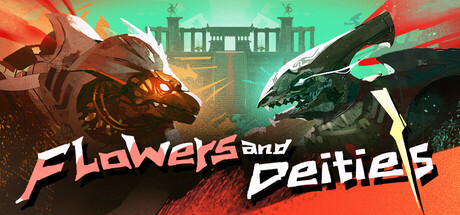
Unique Aztec lizard theme: The game features a distinctive Mesoamerican Aztec cultural background with lizardmen, set in a gladiatorial arena with slavery and gore. This theme is considered unique and well-executed, with interesting use of mythology and a rainforest setting.
Warhammer comparisons: Many reviewers compare the game to Warhammer, specifically the Lizardmen faction, noting similarities in unit design, theme, and the overall dark fantasy setting. Some also compare it to Total War: Warhammer, either as a substitute or a preferred alternative.
Total War and TABS comparisons: The game is compared to Total War as a substitute and to Totally Accurate Battle Simulator, described as a more hardcore version. It is also likened to 2010s build-an-army flash games and StarCraft 2 for unit movement.