- Card-based combat system praised highly
- High replayability with roguelike elements
- Deep crafting and resource management
- Strategic depth in card battles
- Randomness causes unfair outcomes often
- Weak research and crafting systems criticized
Emotions
Archetypes
What players like:
Common complaints:
Gameplay feedback:
Performance notes:
Recommendations:
Other player notes:
Similar games
Blend with other games


Review evidence
Why players say this
Review evidence
Why players say this
Steam review verdict
Excellent card combat, roguelike replayability, deep crafting/resource management, and strategic battles are undercut by unfair randomness and weak research/crafting systems.
What players like
Card-Based Combat Praised: Combat and challenges are presented as a fast, strategic card game that is easy to learn but hard to master. Many reviewers find the card-based system refreshing, addictive, and outstanding.
High Replayability: The game offers substantial replay value due to randomized worlds, events, and persistent progression across playthroughs. Reviewers often mention that it is hard to get bored with.
Deep Crafting System: The crafting system is deeper than it initially appears, with many combinations and resource quality affecting item outcomes. This adds significant depth to gameplay.
Strategic Depth in Card Battles: The card combat system features high strategic depth, with tactical variety and a split between 'Frontline' and 'Tactics' piles. This adds complexity and replayability to encounters.
Characters as Cards with Stats: Cards represent characters and are tied to 38 possible stats, allowing deep customization. Stats and abilities are influenced by encounter type, and cards can level up and equip items.
Common complaints
Randomness causes unfair outcomes: Random events and combat outcomes can devastate a playthrough, often punishing players without warning. Many feel the game relies on luck rather than skill, leading to frustration.
Weak research and crafting systems: Research and crafting feel unrewarding and poorly balanced. Many materials and items are useless, and loot often surpasses crafted gear.
Harsh difficulty and unforgiving: The game is brutally difficult with permanent consequences for mistakes. Many find it punishes players excessively, often requiring restarts.
Poor and cluttered user interface: Many players report the interface is unergonomic, clumsy, and rough, making basic actions tedious. It requires excessive clicking and screen switching, hurting the overall experience.
Tedious inventory management: Managing inventory involves excessive clicking and manual sorting, especially with large parties. There is no easy way to equip or discard items, making it a chore.
Gameplay and performance
Card-Based Combat System: The game uses a card-based combat system where units are represented as cards, and battles are resolved through card positioning and tactical skills. This system is central to both combat and various challenge resolutions, though it has been described as controversial.
Extensive Crafting System: Crafting is a major component, with thousands of possible items to create using various resources. Resources must be gathered and brought back to base, and they have quality attributes that affect the crafting outcomes.
Turn-Based Strategy Core: The game is fundamentally a turn-based strategy game, often mixing in RPG and survival elements. It features slow-paced tactical combat on a hex grid and can require hundreds of turns to complete, appealing to fans of deep strategic planning.
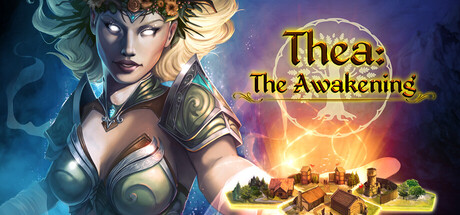
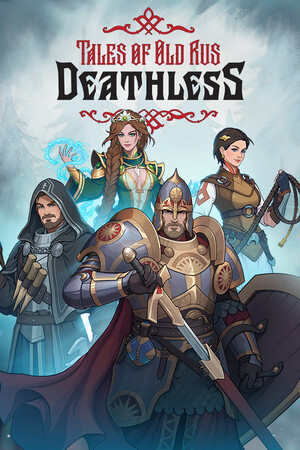
Slavic Mythology Setting: The game is set in a dark fantasy world inspired by Slavic mythology, featuring gods, creatures, and folklore elements. This setting provides a rich backdrop for the story and sidestories.
Expedition System: Players can send out expeditions to explore, gather resources, and eliminate monster nests. Managing multiple expeditions and their outcomes is a strategic layer.
Satisfactory default performance: With default graphics settings, performance is considered suitable and system performance is reported as great with no crashes or lag. The game also runs successfully on SteamOS.
Slow loading and turn processing: Loading and turn processing feel noticeably slow for a game with modest graphics, which becomes a major drawback over long play sessions of hundreds of turns. Several reviewers mention slow load times as a recurring concern.
Battle performance degrades with characters: Performance suffers once a certain number of characters are present in a group during battles. This suggests a scaling issue tied to unit count in combat.
Fullscreen mouse offset bug persistent: A fullscreen mouse offset issue appears to remain unfixed over time. This can make controls frustrating for players using fullscreen mode.
Recommendations
Strongly recommended by many: Multiple clusters express enthusiastic recommendations without reservation. This indicates broad player satisfaction and word-of-mouth support.
Mixed or negative experiences: Some reviewers cannot recommend the game due to specific dislikes or unmet expectations. These opinions highlight the game's divisive nature.
Recommended for strategy and RPG: Reviewers consistently recommend the game to fans of turn-based strategy and RPGs. The blend of genres appeals to players who enjoy both.
Worth full price: Several reviewers affirm the game is worth its price, even at full cost. Some go further to say it is worth more than the asking price.
Great for Slavic mythology fans: Frequent recommendations target players interested in Slavic mythology and themes. The setting is a key draw for this audience.
Buying context
Community fair range: $15.00 - $20.00.
Game completion: 20.0h.
Session length: 6.0h.
Early card combat, unclear tutorial, and UI/inventory friction can delay enjoyment, but multiple players report the game becomes addictive once its unique mechanics and combat rules click. Some players enjoy it immediately, while late-game micromanagement can later reduce fun.
Friction: Unclear tutorial; Unintuitive card-driven challenges and combat; Steep or noticeable learning curve; Clunky UI and tedious inventory/equipment management; Manual combat setup and repetitive challenges; Systems not well explained despite tooltips.
Unlock drivers: Understanding the card-based combat rules; Figuring out weapon and skill differences; Getting used to the unique mechanics; The mechanics clicking; Learning through play.
Player profiles
4X Strategy Veteran: Plays on the overhead turn-based map, manages a single city, weighs expansion limits, and evaluates card-hybrid battles as part of the strategic loop. Motivation: To master a deep turn-based 4X survival campaign with meaningful exploration, expansion, and deity progression. Stance: buy.
Hardcore Roguelike Survivalist: Sends expeditions, gathers resources, crafts gear, grinds levels and equipment, and reads guides to survive permanent character loss. Motivation: To endure brutal survival runs, experiment with crafting, and carry meta-progression into future attempts. Stance: sale.
Card Battle Hybrid Enthusiast: Engages with the card battle system directly, tunes card speed, and accepts or manages RNG-heavy combat outcomes. Motivation: To enjoy card-driven combat and the strategic unpredictability of luck-of-the-draw encounters. Stance: buy.
Platform notes
Steam Deck: The Steam Deck review set describes a playable but not fully verified experience. The game runs on SteamOS with default graphics and no evidence of crashes, anti-cheat failures, external launchers, or battery drain. The main friction comes from small interface text, mismatched keyboard/mouse/controller prompts, and incomplete default controller support that may require touchscreen, community layouts, or manual virtual keyboard use. Under the rubric, these tinkering-required issues place the score at 50.
Linux and Proton: The available Linux/SteamOS evidence is positive: the game runs successfully on SteamOS with default graphics and is rated Steam Deck Playable. No Proton/GE workarounds, launch failures, anti-cheat blockers, or Linux-specific crashes are reported. This indicates generally working Linux compatibility.
Other review notes
Localization and Language Support: The game supports multiple languages including Chinese, Japanese, German, and Turkish, though some localizations have errors. Korean support is notably absent, and players request improved localizations.
Comparison to 4X Games: Players frequently compare the game to Civilization, Endless Legend, and Age of Wonders, noting its 'one more turn' addictiveness and similar mechanics. It is often described as a 4X game with RPG elements.
Free DLC and Developer Support: The developers have made all DLC free, including content updates and community tools, which players highly appreciate. They also actively communicate and frequently update the game.
Slavic Folklore and Mythology: The game is deeply rooted in Slavic mythology, featuring folkloric creatures and a post-apocalyptic fantasy world. This unique setting is a major draw for players interested in underrepresented mythologies.
Rich Lore and Story: The game features a huge amount of quest text (over 140k words) with many small stories and a slowly emerging main storyline. The writing is often praised.