- Innovative territory-coloring mechanic
- Rich card and relic content
- Engaging and fun gameplay
- High difficulty and frustrating enemies
- Frequent crashes and bugs
- Poor new-player guidance
Emotions
Archetypes
What players like:
Common complaints:
Gameplay feedback:
Performance notes:
Recommendations:
Other player notes:
Similar games
Blend with other games


Review evidence
Why players say this
Review evidence
Why players say this
Steam review verdict
Innovative territory-coloring mechanics and rich card/relic content make for engaging fun, but high difficulty, frustrating enemies, frequent crashes, and poor new-player guidance hold it back.
What players like
Innovative territory-coloring mechanic: The combination of roguelike deckbuilding with a territory-coloring board mechanic is widely seen as creative and unique. Players find the tile-filling gameplay novel and engaging, setting the game apart from traditional card games.
Rich card and relic content: Players praise the extensive collection of over 400 cards, 100 relics, and eight factions, which enables diverse deck-building and strategic depth. The variety of upgrades and relics supports many unique builds and increases replayability.
Engaging and fun gameplay: The core gameplay loop is consistently described as thoughtful, satisfying, and addictive. Players enjoy the strategic depth and the overall fun experience, making it a strong recommendation for fans of the genre.
Appealing pixel art style: The pixel art is praised for being detailed, colorful, and visually appealing, with smooth animations and a retro charm. The art style contributes positively to the game's atmosphere and character presentation.
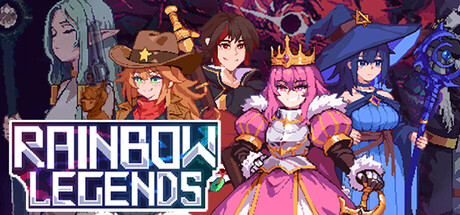
Multiple classes and playstyles: The game features eight distinct classes, each with unique cards, relics, and storylines, offering a wide range of playstyles. This diversity allows players to experiment and find strategies that suit their preferences.
Common complaints
High difficulty and frustrating enemies: Enemy mechanics and numbers are often too strong, especially in boss fights, leading to frustration. Difficulty spikes are common, particularly with elite enemies and late-game content.
Frequent crashes and bugs: Players report many serious bugs, including frequent crashes and progression-blocking issues. These problems significantly impact gameplay and are mentioned across multiple clusters.
Poor new-player guidance: Unclear mechanics and poor tutorial guidance hinder new players, leading to a shocking difficulty spike. The game does not explain certain things, making early game frustrating.
Incomplete English translation: The English translation is incomplete, inconsistent, and sometimes wrong, likely machine-translated. Half the game remains in another language, hindering comprehension.
Poor card art and labeling: Card art lacks distinction and resolution is awkward, with no labels for card types, making it hard to identify cards for specific effects. This affects usability and visual clarity.
Gameplay and performance
Roguelike card game with territory coloring: The game is consistently described as a roguelike card game where players color tiles on a 9x9 board to control territory. It combines deck-building with turn-based strategy and territory control mechanics.
Damage based on territory difference: At the end of each turn, damage is calculated based on the difference in occupied tiles between the player and the enemy. The side with more territory deals damage equal to the difference in tile count.
Multiple card types available: The game features various card types including attack, defense, buff, building, and curse cards. These cards serve different strategic purposes, from dealing damage to deploying structures and applying status effects.
Extensive card and relic system: The game includes hundreds of cards and over a hundred relics that can be combined for different builds. This provides significant depth and replayability through card management and relic synergies.
Cards color tiles on board: Attack cards can be deployed on any tile to color it, while deploy cards can only be placed on faction-colored tiles to provide buffs. Cards convert enemy and neutral tiles to the player's color, enabling territory expansion.
Poor optimization causes stuttering: Players experience stuttering and frame rate drops, even on high-end systems like a 9600x+9060xt16g. This indicates significant optimization problems that impact performance.
Frequent crashes and freezes: Multiple players report frequent crashes and freezes that disrupt gameplay, with some noting poor optimization as the cause. This is the most common issue, affecting several clusters.
Cards get stuck unusable: A bug causes cards to become stuck and completely unusable, preventing players from using their deck. This is a specific and frustrating gameplay issue.
Movement and texture errors: Players encounter issues with inability to move and texture errors, which can hinder progress and immersion. These are notable bugs that affect the overall experience.
Laggy painting mode: The painting mode is reported to be very laggy, making it difficult to use. This is a specific feature that suffers from performance issues.
Recommendations
Recommended for card roguelike fans: Many reviewers recommend the game to fans of card roguelikes and deckbuilders, highlighting its appeal to the genre's core audience. This is the most common recommendation, indicating strong genre fit.
Not recommended in current state: Several reviewers advise against buying the game now, citing the need for more work, bugs, and balance issues. They suggest waiting for updates or patches before purchasing.
Worth experiencing despite issues: Some reviewers believe the game is worth buying or experiencing despite its flaws, noting it has more going on than most clones. They recommend it for enthusiasts of the genre.
Not suitable for casual players: The game is deemed not suitable for casual players, suggesting a high difficulty or complexity level. It is recommended only for those with time and interest in this type of gameplay.
Innovative and polished strategy experience: The game is praised for being well-polished and innovative, offering new ideas in the deckbuilding genre. It is highly recommended for those seeking a fresh strategic experience.
Buying context
Game completion: 2.7h.
Story completion: 2.7h.
The game has a steep initial learning curve and a tutorial bug, but once players grasp the core rhythm—typically within half an hour—it becomes highly addictive and fun.
Friction: overwhelming learning curve for newcomers; tutorial fails to explain new game mechanics; tutorial bug blocks progress after tutorial; complex at first glance.
Unlock drivers: grasping the rhythm; getting the hang of the mechanics; playing for about half an hour.
Player profiles
Innovation Seeker: Explores different characters and mechanics, enjoys the novelty of the board control. Motivation: Experience the unique painting-based combat and strategic depth. Stance: buy.
Deckbuilding Enthusiast: Focuses on card synergies, optimizes deck composition, and seeks high-difficulty runs. Motivation: Build powerful and synergistic decks to overcome increasing challenges. Stance: buy.
Balance Critic: Analyzes game mechanics, tests builds, and may play extensively despite frustrations. Motivation: See the game reach its full potential through fixes and balance patches. Stance: sale.
Platform notes
Steam Deck: The game suffers from frequent crashes and freezes, poor optimization, and unclear UI/text, but some users find it accessible and recommend it for casual Steam Deck play.
Extra review signals
Monetization: The game features a free gacha system for character unlocks, which is not monetized. However, it sells DLC that includes unique card decks, which may affect gameplay despite the description stating otherwise. This suggests a potential pay-to-win element in the monetization.
Other review notes
Slay the Spire comparison: The game is frequently compared to Slay the Spire, with some praising its innovations and others criticizing it as a poor imitation. The comparison highlights both strengths and weaknesses in design.
Active developer updates: The developers are actively updating the game based on community feedback, with frequent patches and bug fixes. This responsiveness is appreciated by players.
Poor English localization: Multiple reviewers report that the game is not fully translated into English, with machine-translated and incomplete text. This significantly hampers understanding and enjoyment for English-speaking players.
Gacha character unlocks: Characters are unlocked through a gacha system, which can be earned in-game or purchased via DLC. This monetization model is a point of contention among players.
Puzzle mode included: The game features a puzzle mode with 25 to 40 levels, offering additional challenges beyond the main campaign. This mode is appreciated for its variety and depth.