- Iconic Humor, Spy Parody
- Exceptional Audiovisual Design
- Engaging Villain Base-Building
- Enduring Cult Classic Appeal
- Buggy, Slow, Unpolished Performance
- Minion AI and Control Issues
Emotions
What players like:
Common complaints:
Gameplay feedback:
Performance notes:
Recommendations:
Other player notes:
Similar games
Blend with other games





Review evidence
Why players say this
Review evidence
Why players say this
What players like
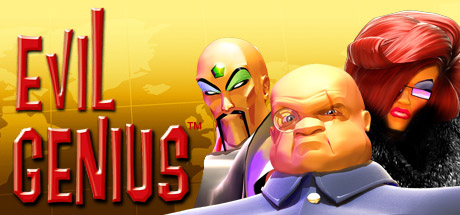
Iconic Humor, Spy Parody: The game masterfully blends tongue-in-cheek humor, sharp wit, and a gleeful parody of 1960s spy thrillers, akin to Austin Powers. This unique stylistic and comedic approach, enhanced by cartoonish visuals and over-the-top characters, creates a charming and engaging atmosphere.
Exceptional Audiovisual Design: The game's 1960s-inspired audiovisual presentation, including its jazzy, spy-themed soundtrack, appealing character models, and vibrant art style, significantly enhances the immersive experience. This deliberate stylization contributes greatly to its charm and helps the game age gracefully.
Engaging Villain Base-Building: Players highly enjoy the core gameplay loop of building and managing their secret evil lair, setting up elaborate trap systems, and manipulating minions. This fulfills the fantasy of being an evil mastermind plotting world domination, offering significant freedom in villainous strategy.
Enduring Cult Classic Appeal: Despite its age, the game is widely regarded as a cult classic and a masterpiece that has aged remarkably well, both visually and in terms of gameplay. Its unique concept and solid mechanics ensure it remains highly playable, enjoyable, and addictive for years, inspiring long-term replayability.
Deep, Accessible Strategy: The game offers surprising strategic depth with numerous unit types, intricate mechanics, and unique tactical possibilities for base layout and management. Reviewers appreciate that it is easy to learn thanks to an excellent tutorial, yet hard to master, providing a satisfying challenge.
Common complaints
Buggy, Slow, & Unpolished: The game is plagued by frequent technical issues, including crashes, game-breaking bugs, and an overall lack of polish. Its excessively slow pacing forces players into long periods of waiting, leading to tedium and frustration.
Minion AI & Control Issues: Minions exhibit poor, unpredictable AI, often failing to perform tasks or defend effectively. This necessitates constant, tedious micromanagement, especially on the global map, and is exacerbated by a restrictive minion cap.
Steep Learning Curve & Difficulty: Players face a high overall difficulty combined with inadequate tutorials and explanations, making the game confusing and frustrating to learn. This is particularly evident in early game money management and the increasing micromanagement demands.
Overpowered Super Agent Threats: Super Agents are considered excessively powerful and disruptive, capable of swiftly decimating bases and minions. Their invulnerability or complex defeat conditions lead to prolonged frustration, often feeling unfair to players.
Outdated Visuals & Controls: The game's graphics and visual presentation have aged poorly, failing to meet modern expectations. Furthermore, it suffers from an archaic control scheme and lacks native support for contemporary widescreen resolutions.
Gameplay and performance
Core Evil Genius Simulation: Players embody an Evil Genius tasked with constructing a secret island base and managing operations to achieve global domination. This involves executing evil schemes on a world map, developing spectacular superweapons, and fending off various forces of justice and secret agents.
Minion and Henchman Management: The game features a diverse workforce of minions, from basic laborers to specialized scientists and guards, who are trained and dispatched for base operations and global missions. Powerful henchmen with unique abilities can be recruited to patrol the base, perform high-stakes tasks, and confront Super Agents, though they are not directly controlled.
Strategic Planning and Global Schemes: Players choose from distinct Evil Genius characters, each influencing starting conditions and bodyguard selection. The game heavily emphasizes meticulous strategic planning, logistics, and global mission deployment (including kidnapping specialists) to advance nefarious schemes, procure funds, and increase infamy. The initial learning curve is noted as significant, often requiring external guidance.
Defending Against Agent Infiltration: The secret lair faces constant threats from multiple spy agencies and powerful 'Super Agents' who infiltrate the island to sabotage, steal, or assassinate personnel. Players must strategically defend their base using traps, armed minions, and clever tactics, sometimes by disguising the island as a tourist resort with hotels.
Dated Presentation and Quality of Life: The game's graphics and design style are considered somewhat dated, being objective-based rather than fully open-ended. It includes an autosave feature, though frequent manual saving is recommended due to potential issues. The game is often compared to 'Dungeon Keeper' and benefits from community-created mods that offer enhancements like additional base-building options.
Community provides modernization mods: The player community has developed various mods and patches to enhance the game's compatibility and quality of life for modern systems, including support for higher resolutions, widescreen displays, and options to skip intro sequences.
Decent graphics for age: Players note that the game's visuals, while from 2004, are considered acceptable or 'normal' for its era, indicating that dated graphics do not severely impact the gameplay experience.
Runs on low-end hardware: The game is highly accessible due to its minimal system requirements, with players confirming it runs smoothly even on older or less powerful 'potato' PCs, making it available to a wide audience.
Recommendations
Highly recommended strategy game: Players overwhelmingly recommend Evil Genius, praising its fun, strategic depth, and appeal to fans of management sims, base-builders, and the James Bond aesthetic. It's considered a cult classic, offering a unique experience for those seeking nostalgia or a distinctive evil mastermind fantasy.
Enhance gameplay with mods, guides: To maximize enjoyment, players strongly advise using community-made bug-fixing mods and consulting guides to master the game's mechanics. A requested feature is a sandbox mode, and some players suggest having distractions during its slower periods.
Purchase with caution, manage expectations: Many reviewers caution that the game has flaws, such as slow pacing or bugs, which might require significant patience. It is frequently recommended only at a discounted price, indicating that full price may not match the value given its issues.
Other review notes
Unique gameplay experience: The game is widely praised for its unique blend of base-building, minion management, and a distinct 60s spy/Bond movie aesthetic, often drawing comparisons to Dungeon Keeper. Players find its premise and execution unmatched by other titles.
Strong sequel demand: Players frequently express a significant desire for a worthy Evil Genius 2, some noting that the existing sequel doesn't fully capture the original's magic. This indicates a high demand for new content that maintains the original's spirit.
Gameplay learning tips: The game presents a learning curve, requiring time to grasp its unique mechanics. Players offer practical advice such as utilizing multiple save files to prevent data loss, carefully managing corridor design, and consulting fan sites for undocumented tips (e.g., the 'P' key for pause not in tutorial).
Minor game observations: Miscellaneous observations include the game requiring custom controller layouts on Steam Deck, feedback on an average grind level and story, its relatively unknown status, and an overall subjective score of 3/5 from some players.
New feature suggestions: Players have suggested expanding gameplay with features like co-op multiplayer, direct combat between rival genius islands, or even the option to play as a "good" genius. There's also a niche idea for tablet integration.