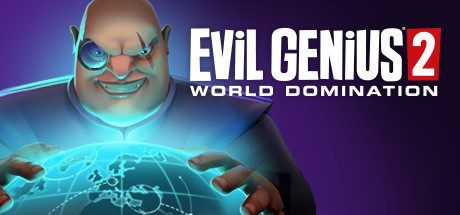
- Captivating charm and humor present throughout.
- Features deep base building and management.
- Overall gameplay lacks depth and pacing.
- Tedious world map and mission design.
- Minion AI and management are flawed.
- Disappoints fans of the original game.
Emotions
What players like:
Common complaints:
Gameplay feedback:
Performance notes:
Recommendations:
Other player notes:
Similar games
Blend with other games





Review evidence
Why players say this
Review evidence
Why players say this
What players like
Captivating Charm & Humor: Players consistently praise the game's overall fun, humor, and unique charm, often drawing comparisons to spy parodies like Austin Powers and James Bond. The vibrant, cartoonish art style, character designs, witty dialogue, and excellent soundtrack significantly contribute to this delightful atmosphere.
Deep Base Building & Management: The core gameplay loop of building and managing an evil lair is highly addictive and satisfying. Players enjoy the freedom in designing multi-floored bases, intricate trap systems, and managing resources and minions. This aspect is often compared favorably to Dungeon Keeper.
Strong Sequel & Nostalgic Appeal: The game is widely regarded as a successful and faithful successor to the original, retaining its core charm and spirit while introducing significant improvements. Players appreciate the updated mechanics, new content, and enhanced visuals, which deliver a strong sense of nostalgia.
Accessible, Stable & Good Value: The game is praised for its accessibility, featuring a decent tutorial and a learning curve that scales well, making it enjoyable for newcomers and veterans. It runs smoothly, with few bugs reported, and is considered good value, especially when purchased on sale with its substantial DLC content.
Charismatic Villains & Minions: The game's diverse cast of evil geniuses, each with unique abilities and storylines, enhances replayability. Minions are also noted for their charming animations, distinct personalities, and improved management systems, which make their oversight less tedious than in similar games.
Common complaints
Gameplay Lacks Depth and Pacing: Players found the overall gameplay experience to be repetitive, grindy, and slow-paced, often feeling more like a mobile game or chore due to excessive waiting. This led to boredom and disappointment, with many noting a lack of strategic depth and wasted potential.
Tedious World Map and Missions: The world map and mission system were widely criticized for being repetitive, boring, and overly tedious, often requiring constant micromanagement. Players disliked the "one mission at a time" restriction, uncancelable quests, and lack of strategic depth, which artificially lengthened gameplay.
Flawed Minion AI and Management: Minions are frequently described as unintelligent, uncontrollable, and easily disposable, leading to player frustration. Issues include poor AI behavior, easy deaths, a low and restrictive minion cap, and the absence of prior game mechanics that allowed for better minion control and retention.
Sequel Fails Original's Legacy: Many fans felt the game failed to capture the charm, humor, and strategic depth of the original Evil Genius. It introduced downgrades, removed beloved mechanics, and was perceived as a less inspired, "dumbed down," or "soulless" continuation, leading to significant disappointment.
Unbalanced & Annoying Agent Spawns: Late-game agents and super agents are often perceived as unbalanced, appearing overwhelmingly strong or teleporting directly into the base, bypassing meticulously designed defenses. This design choice undermined strategic base layouts and made encounters frustrating rather than challenging.
Gameplay and performance
Elaborate Evil Lair Building: The central gameplay revolves around constructing a multi-level secret lair. Players design rooms, place traps, manage defenses, and excavate the environment to house their villainous operations, forming the foundation of their world domination efforts.
Minion & Henchman Management: A significant part of gameplay involves recruiting, training, and managing various minion types with specialized tasks like combat, research, or construction. Players dispatch these minions and unique henchmen on global missions, balancing their loyalty and purpose.
Play as Iconic Evil Genius: Players assume the role of a nefarious mastermind, choosing from several unique evil geniuses with distinct doomsday devices and playstyles. The game is a sequel that reinterprets the original's premise, focusing on global villainy and conquest.
Varied Difficulty & Learning: The game offers varied difficulty settings, from casual to challenging, but new players might find the initial mechanics confusing. It requires some experimentation and practice to master, becoming clearer with experience.
Defending Against Agents: Players must constantly defend their lair from infiltrating secret agents and soldiers. Various strategies are employed, including traps, henchmen, and minions, with options to distract, capture, or eliminate threats. Some feedback indicates that direct combat might be easier than using elaborate traps.
Inconsistent performance and optimization: Players report highly varied experiences, with many citing poor optimization, laggy animations, and crashes, particularly under heavy load like numerous minions, potentially exacerbated by Denuvo DRM. Conversely, a significant number of users report smooth gameplay on various systems, including the Steam Deck and at high resolutions, indicating an inconsistent experience across hardware configurations.
Persistent technical bugs and crashes: Many users face stubborn technical issues, including difficulties launching the game or specific building bugs that are not resolved by reinstallation or other troubleshooting steps. Specific crashes are also noted, particularly when using Vulkan mode, on Windows 11, or when a high number of minions are present, alongside minor visual glitches when tabbing out.
Console-oriented camera controls: Feedback indicates that the game's camera controls feel designed primarily for console use, rather than optimized for PC. This is supported by the game's acceptance of Xbox 360 controller input, suggesting a potential lack of PC-specific refinement for mouse and keyboard users.
Recommendations
Buy on deep sale: The vast majority of players strongly recommend purchasing the game only when heavily discounted, often suggesting prices under $5 or with 80-90% off. Many feel it offers poor value at full price but becomes a worthwhile purchase when significantly reduced, with the Deluxe Edition also offering good value on sale.
Mixed reception; divisive: Player feedback is highly polarized, with many finding the game enjoyable while others strongly advise against it due to boredom, perceived lack of depth, or various issues. The game is often described as 'not for everyone,' suggesting its specific style might alienate some players.
Suits specific genre interests: The game is well-received by players who enjoy base-building, management, and strategy games with a focus on villainy, humor, and a quirky atmosphere. It's often seen as a relaxing, less mentally demanding experience, appealing to newcomers or those who love the supervillain fantasy.
Disappoints original fans: Many long-time fans of the original Evil Genius express significant disappointment with this sequel, often advising others to play the first game instead. They find it falls short as a successor, potentially tainting memories of the franchise.
Research gameplay before buying: Players are encouraged to research the game thoroughly, for instance by watching gameplay videos on YouTube, to determine if its mechanics and style align with their preferences before making a purchase. New players are also advised to be patient with the game.
Other review notes
Deep connection to Evil Genius 1: Players consistently compare Evil Genius 2 to its predecessor, often hailing EG1 as a classic despite its dated mechanics and technical issues on modern systems. This strong legacy influences expectations, with many hoping for a true sequel (EG3) that builds on the franchise's unique villain simulator concept, and many new players are experiencing the series for the first time with EG2.
Deeper gameplay and content variety: Many players hoped for greater strategic depth, more varied content, and expanded features like invading enemy bases or alternative hideout locations (e.g., space or underwater). While some enjoy the base-building loop for dozens of hours, others find the game can become repetitive or lead to boredom, indicating a need for more engaging late-game activities and strategic choices beyond simple waiting or micromanagement.
QoL and mod support needed: Players are requesting specific quality-of-life improvements, including faster gameplay options, more streamlined loot quest management without timers, and better tracking for side missions. A recurring demand is for official mod support, preferably through Steam Workshop, to allow the community to enhance and expand the game's features and mechanics.
Minor issues and niche appeal: Players note the inclusion of Denuvo DRM, questioning its presence in an older title, and describe the game as silly or quirky, feeling it's somewhat overhated. The game's tone and gameplay suggest an appeal to a broad audience, including kids and teens, fitting its unique villain simulator niche.
Lacking post-launch support: Players are disappointed by the cessation of game updates since 2022, leading to the perception that the game is no longer actively developed. Although some note that existing patches have improved the game's stability and state since its initial launch, the unfulfilled promise of further seasons and content is a major drawback.