- Engaging and emotional storytelling experience
- Mods significantly enhance replayability options
- Beautiful art and immersive visual design
- Unsatisfying and confusing story endings
- Emotional distress after gameplay completion
- Repetitive and tedious gameplay mechanics
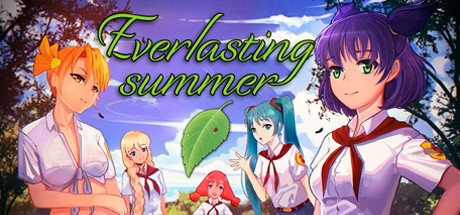
Emotions
What players like:
Common complaints:
Gameplay feedback:
Performance notes:
Recommendations:
Other player notes:
Similar games
Blend with other games 86%Katawa Shoujo
 84%BAD END THEATER
 84%Doki Doki Literature Club Plus!
 83%CLANNAD
 83%CROSS†CHANNEL: Steam Edition
 83%Doki Doki Literature Club!
 82%Emily is Away Too
 82%fault - milestone one
 82%Z.A.T.O. // I Love the World and Everything In It
 82%Slay the Princess — The Pristine Cut
 82%Until Then
 82%STEINS;GATE
Review evidence
Why players say this
Review evidence
Why players say this
What players like
Engaging and emotional storytelling: The narrative is deeply immersive, with well-written characters, unexpected twists, and philosophical themes. Players highlight the story's ability to evoke strong emotions, from joy to sadness, and its relevance even years after release.
Mods enhance replayability significantly: The game's modding community is highly active, providing hundreds of high-quality mods that add new stories, mechanics, and alternative endings. Mods like '7 Days of Summer' are praised for extending gameplay and improving the original experience, making replayability nearly infinite.
Beautiful art and immersive visuals: The game features a cozy and visually pleasing art style, with detailed backgrounds, well-designed characters, and pixel art that creates a unique atmosphere. The visuals are frequently praised for enhancing immersion and emotional resonance.
Well-developed character arcs: Characters like Lena, Ulyana, and Alisa are praised for their depth, relatability, and unique storylines. Their arcs are emotionally resonant, with players forming strong attachments to their journeys and fates.
Nostalgic pioneer camp atmosphere: The game's setting in a Soviet-era pioneer camp evokes strong nostalgia, even for players who didn’t experience it firsthand. The atmosphere, music, and nature sounds immerse players in a reflective and emotional summer camp experience.
Common complaints
Unsatisfying and confusing endings: Players frequently criticize the game's endings for feeling incomplete, rushed, or inconsistent. The narrative structure forces players to complete all branches to unlock the true ending, which many find tedious. Some endings also lack emotional payoff, leaving players confused or dissatisfied.
Emotional distress post-gameplay: Many players report feelings of depression, emptiness, or inadequacy after completing the game, particularly due to its emotionally intense or traumatic endings. The game's psychological impact can make reality feel harsher afterward.
Repetitive and tedious gameplay: The game's structure can feel repetitive, with players needing to replay content to unlock all endings. This cycle is described as oppressive and boring, particularly if players are not aiming for specific outcomes.
Unappealing or filler characters: Some characters, such as Miku/Masha and Ulyana, are criticized for their unappealing storylines, lack of depth, or repetitive arcs. Players often dismiss them as filler or forgettable.
Traumatic and unhealthy character routes: Certain character routes, particularly Lena's, are criticized for their disturbing content, unhealthy relationships, and emotionally distressing endings. Players find these routes unsatisfying or even traumatic.
Gameplay and performance
Branching narrative with multiple endings: The game features a highly interactive narrative with player choices leading to multiple endings, including a 'true' ending. The story is divided into segments (e.g., seven days), where decisions significantly impact outcomes and character arcs.
Themes of choice and consequence: Player decisions carry weight, influencing not only story outcomes but also character development and personal growth. Themes of fate, loneliness, and human connection are explored through these choices.
Time-loop and narrative twists: The story incorporates recurring cycles, time loops, or metaphorical settings that mirror the protagonist's psychological journey. These elements add complexity and replay value to the narrative.
Psychological and emotional depth: The narrative delves into psychological archetypes, existential themes, and emotional storytelling. Characters represent personal struggles, and interactions often carry symbolic or philosophical significance.
Romance and relationship mechanics: The game includes relationship-building mechanics with multiple female characters, where choices influence the dynamics between the protagonist and characters, ranging from friendship to romance.
Frequent game crashes: Multiple players report the game crashing during gameplay, disrupting their experience. This issue appears to be widespread and severely impacts playability.
Game fails to relaunch after crash: After a crash, the game often fails to launch again, forcing players to restart their systems or troubleshoot manually. This compounds frustration from the initial crash.
Stability updates needed: Players acknowledge bug fixes and updates aimed at improving stability but indicate that critical issues persist. More targeted patches are required for a smoother experience.
Auto-skip function broken: A bug prevents the auto-skip feature from working, forcing players to manually skip cutscenes or dialogue. This disrupts immersion and convenience.
Recommendations
Emotional storytelling masterpiece: The game is widely praised for its deep emotional engagement, character-driven narratives, and philosophical themes. Players recommend it for those seeking transformative, introspective, or nostalgic experiences.
Must-play narrative experience: Reviewers strongly recommend the game for its immersive storytelling, replay value, and ability to leave a lasting impact. It is often described as a 'must-play' despite potential flaws or niche appeal.
Ideal for visual novel fans: The game is highly recommended for fans of visual novels, particularly those seeking mature themes, atmospheric storytelling, or philosophical depth. It is also noted as accessible for beginners in the genre.
Unscripted first playthrough advised: Players suggest experiencing the main storyline without guides or walkthroughs to fully immerse in the narrative and emotional impact.
Encourages creativity and exploration: The game inspires players to try new experiences, modding, or step out of their comfort zones, fostering creativity and introspection.
Other review notes
Profound emotional impact: The game leaves a lasting emotional impression, often described as life-changing. Players report personal growth, shifts in hobbies, and deep connections to the narrative, even influencing relationships outside the game.
Cultural and fan engagement: The game has fostered a strong fandom, inspiring real-world gatherings (e.g., Sovyonok camp) and comparisons to other long-lasting games like Undertale. Its roots in Russian anonymous imageboard culture add to its cult appeal.
Cultural hybrid identity: The game blends Soviet-era nostalgia with anime tropes and Russian internet culture, creating a unique cultural experience. This fusion resonates strongly with players familiar with these references.
Gripping paradoxical narrative: The game’s story is praised for its slow-burning, unpredictable twists that draw players in. Its thematic depth, including fragility, trust, and personal growth, encourages theories and interpretations.
Mature content customization: Players suggest installing 18+ scene unlocks for a more complete experience, indicating the game’s flexibility in catering to different preferences. This includes fan-made content like 'Хентайная Ульяна Remaster.'