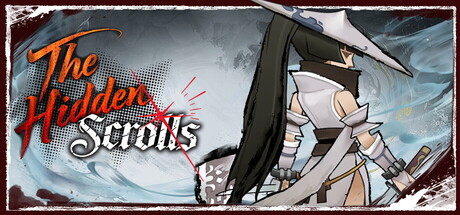
- Beautiful ink-wash art style
- Frequent bugs and crashes
- Easier than predecessor game
- Combat feels unrewarding
- Strong strategic depth present
- Content too limited overall
Emotions
Archetypes
What players like:
Common complaints:
Gameplay feedback:
Performance notes:
Recommendations:
Other player notes:
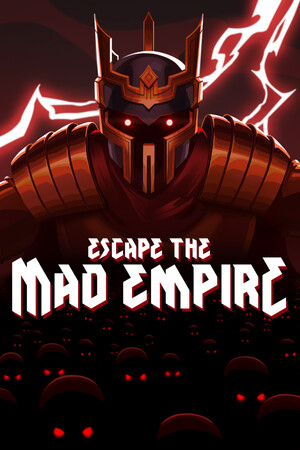
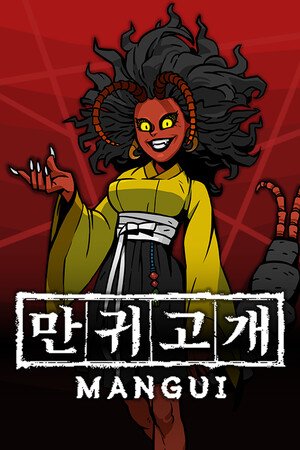
Similar games
Blend with other games




Review evidence
Why players say this
Review evidence
Why players say this
Steam review verdict
Its beautiful ink-wash art and strong strategic depth impress, but frequent bugs, unrewarding combat, and limited content make this a noticeably easier and lighter sequel.
What players like
Beautiful ink-wash art: The unique blend of ink-wash painting with oil-painting textures is widely praised as visually appealing and distinctive. This art style is considered a major strength of the game.
Easier than predecessor: Players consistently find this game significantly more accessible and forgiving than Darkest Dungeon, with lower difficulty and gentler mechanics. This makes it suitable for newcomers while still retaining familiar elements.
Enjoyable and addictive: General sentiment is highly positive, with players describing the game as fun, interesting, and addictive. The gameplay is polished and satisfying once mechanics are understood.
Accessible to newcomers: Several players note the game is easy to pick up and simple to operate, making it approachable for those unfamiliar with the genre. This accessibility is a key selling point.
Strong strategic depth: Players appreciate the deep progression systems, strategic variety, and high replayability. The game offers meaningful choices and engaging gameplay that keeps players invested.
Common complaints
Frequent bugs and crashes: The game suffers from numerous bugs including freezes, black screens, corrupted save files, and softlocks during combat. These issues cause significant loss of progress and frustration.
Combat feels unrewarding: Players report weak positive feedback, poor rewards, and low experience gain from combat. This makes battles feel like a chore, and the high risk with minimal reward discourages engagement.
UI is simple and crude: The interface is repeatedly described as overly simplistic, unpleasant, and crude, with a poor layout that looks cheap or mobile-like. This affects readability and overall presentation.
Content is too limited: The game has a small amount of content, with repetitive events, sparse boss battles, and an incomplete story. Players feel it is a partial product, especially for its price.
Difficulty is poorly balanced: Difficulty spikes are common, with some early areas too easy and later content or bosses extremely hard. High-HP enemies and powerful regular mobs can cause harsh penalties and unfair deaths.
Gameplay and performance
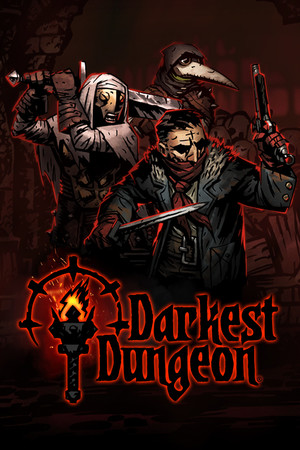
Darkest Dungeon-like tactical roguelike: The game is consistently described as a turn-based tactical roguelike with strong inspiration from Darkest Dungeon, featuring dungeon exploration, character growth, and hardcore mechanics. Many reviews explicitly compare its gameplay feel and formula to Darkest Dungeon, noting it as a similar experience.
Turn-based combat system: Combat is turn-based and strategic, with up to four characters and position-based attack ranges. This familiar system emphasizes careful planning and positioning.
Town building and management: The game features a town building system where players send teams to collect materials, upgrade facilities, and unlock new structures. This progression element is central to long-term growth and resource management.
Thirteen character classes available: Players can assemble parties from 13 distinct classes, such as swordsman, shaman, physician, and drum warrior, each with unique skills and synergies. The variety of classes supports diverse tactical strategies.
Permanent character death: Character death is permanent, and defeated characters are removed permanently, losing all long-term growth and gear. This hardcore mechanic is frequently highlighted and aligns with the roguelike nature of the game.
Game stability issues: Players report frequent crashes, black screens, and freezes during gameplay, which significantly disrupt the experience. Some instances are isolated, but the recurring nature of these problems points to a broader stability concern.
Save file corruption: Quitting during battle can cause save file corruption, leading to lost progress. This is a critical issue that may deter players from engaging in longer sessions.
Recommendations
Recommended for Darkest Dungeon fans: Many reviews explicitly recommend the game to fans of Darkest Dungeon, highlighting its similar gameplay style and appeal. It is noted as easy to pick up for those familiar with the genre.
Suitable as Darkest Dungeon substitute: The game is frequently positioned as a decent, simpler alternative or substitute for Darkest Dungeon. It serves as a supplementary or entry-level option for players seeking a similar experience.
Recommended for hardcore roguelike players: Reviews recommend the game to fans of hardcore tactical roguelikes and strategy games. It appeals to players who enjoy challenging, hope-in-despair gameplay and tactical depth.
Start on lower difficulty: Multiple reviews advise new players to start on the lowest or first/second difficulty level for easier onboarding. This is especially recommended for those without similar game experience.
Good for weaker challenge seekers: The game is recommended for players who like Darkest Dungeon gameplay but want a weaker challenge. It serves as an entry-level Darkest Dungeon for new players.
Buying context
Game completion: 23.0h.
Story completion: 10.0h.
The game is enjoyable immediately, with players finding it addictive thanks to early freedom and character-building, despite minor gripes about grind and simple visuals.
Player profiles
Darkest Dungeon Devotee: Masters the tactical combat, manages party stress and position, grinds for achievements and optimal runs. Motivation: To experience a Chinese-themed iteration of the Darkest Dungeon formula with tweaks and new content. Stance: sale.
Hardcore Tactician: Engages deeply with the 3x3 positioning, skill synergies, and roguelike decision-making, prioritizing efficiency over flavor. Motivation: To solve challenging combat puzzles through team composition, positioning, and resource management. Stance: buy.
Chinese Fantasy Enthusiast: Appreciates the atmosphere, explores the world and characters, and enjoys the team-building despite the genre mechanics. Motivation: To enjoy a Chinese-themed strategy RPG with distinctive ink-wash aesthetics and mythological flavor. Stance: sale.
Platform notes
Steam Deck: The game shows artistic merit but is severely hampered on Steam Deck by frequent crashes, black screen freezes, and tutorial freezes. The UI text is also too small for comfortable reading, adding to the friction. These technical problems dominate the experience, making it unreliable.
Other review notes
Frequently compared to Darkest Dungeon: Many reviews note the game's strong similarity to Darkest Dungeon in style, structure, and gameplay framework, often calling it an inspired or localized version. This comparison appears across multiple clusters, indicating it's a dominant theme in player feedback.
Chinese Spring-Autumn setting: The game is set in China's Spring-Autumn period, blended with myth and fantasy, featuring monsters and historical figures. This unique setting is noted across multiple clusters, highlighting its Chinese cultural identity.
Lower difficulty than Darkest Dungeon: Players frequently mention that the game is easier and more accessible than Darkest Dungeon, with reduced difficulty and less punishing mechanics, making it a good entry point for newcomers. This is highlighted in several clusters, showing a consistent perception among reviewers.
Ink-wash visual style: The art style combines ink-wash painting with oil painting, which reviewers find distinctive and rare. This visual identity is praised and considered a key feature of the game.
Similar but not identical: While many find the game similar to Darkest Dungeon, some note it lacks the 'dark' feel or depth of the original, making it a weaker substitute. This suggests mixed feelings about its execution.