- Dual-character swap mechanic enhances gameplay
- Compelling story and rich lore
- Engaging, varied combat system with fusion elements
- Early access with high future potential
- Visually striking art and audio design
- Balance and difficulty issues present
Emotions
What players like:
Common complaints:
Gameplay feedback:
Performance notes:
Recommendations:
Other player notes:
Similar games
Blend with other games





Review evidence
Why players say this
Review evidence
Why players say this
What players like
Highly promising early access game: Players consistently highlight the game's potential, polish, and enjoyment even in its early access state. The feedback emphasizes solid gameplay, interesting story, and excitement for future updates, suggesting a strong foundation for long-term success.
Compelling story and lore: The game's story, characters, and lore are praised for their depth, intrigue, and non-intrusive presentation. Players express excitement for future updates that expand on the narrative and world-building.
Engaging and varied combat system: Players appreciate the rich combat variety, including weapon combos, character swapping, and build synergies. The combat is described as satisfying, unique, and well-balanced for different playstyles, with a strong emphasis on experimentation and replayability.
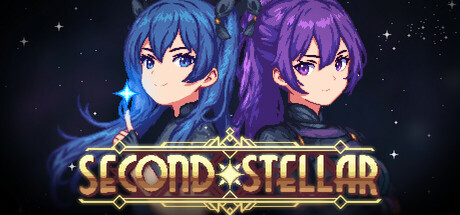
Unique dual-character mechanic: The ability to swap between two characters mid-combat is highlighted as a standout feature, offering high player expression and build diversity. This mechanic is praised for adding depth and uniqueness to the roguelike genre.
Exceptional soundtrack and audio design: The game's soundtrack is frequently praised for its quality, nostalgia, and standout tracks. Players describe it as highly enjoyable and a key contributor to the overall experience, with some calling it 'incredible' or 'superb.'
Common complaints
Balance and difficulty issues: Multiple reviews highlight weapon balance problems, with some weapons being significantly stronger or weaker than others. Additionally, the game's difficulty is often described as too easy, which may lead to boredom for experienced players. Supernova mode's difficulty scaling is also criticized for feeling luck-dependent.
Content lacking in early access: Players frequently mention the game's limited content, which is expected for an early access title. This includes shorter playtime, fewer weapons, and missing features compared to other games in the genre. While understandable, it remains a key area for improvement.
Visual and clarity problems: Feedback points to issues with visual clarity, such as projectiles, enemies, and experience orbs blending into the environment. Some abilities (e.g., dash) are also hard to see, impacting gameplay. This is a common frustration for players.
Story and writing inconsistencies: Players criticize the story for being cliché, poorly executed, or hard to follow due to localization issues. Some find the text blocks overwhelming or ignorable, while others note unresolved plot holes. However, this feedback is mixed, as some players are uninterested in the story altogether.
Bugs and technical issues: Several bugs are reported, including glitchy weapon VFX, enemies attacking after death, and boss fights not ending properly. Minor issues like typos and UI glitches (e.g., cutscene portraits) are also noted, though these are less critical.
Gameplay and performance
Dual-character swap mechanic: The game's core mechanic revolves around swapping between two characters during combat, each with distinct abilities (primary, special, burst, dash). This allows for strategic HP management, combo potential, and dynamic gameplay. Players highlight the mechanic's uniqueness and depth in enabling varied playstyles.
Roguelike survival gameplay: The game blends roguelike mechanics with survival elements, offering a more complex experience than typical 'Survivors-like' games. Players appreciate the structured progression and replayability, though some note its similarity to existing titles in the genre.
Synergistic build crafting: Players can create unique builds by selecting skills, weapons, and items that synergize between the two characters. This system encourages experimentation, with one character often supporting the other to maximize effectiveness.
Bullet hell and genre fusion: The game combines bullet hell mechanics with influences from titles like *Vampire Survivors*, *20 Minutes Till Dawn*, and *Brotato*. This fusion creates a fast-paced, chaotic experience that appeals to fans of both roguelikes and shoot-'em-up games.
Weapon and character balance issues: Some players report that early weapon choices (e.g., Paladin's Hammer) can lead to overpowered strategies or force reliance on a single character. This may limit build diversity and create imbalances in boss fights or later gameplay.
Ultrawide display support missing: Multiple players report that the game does not properly support ultrawide monitors, leading to stretched visuals or black bars. This affects immersion and usability for players with such setups, though it does not impact core gameplay mechanics.
Recommendations
Strong overall recommendation: The game receives widespread recommendations, with players highlighting its current value even in Early Access. Many consider it a worthwhile purchase, praising its unique gameplay and potential for replayability as more content is added.
High anticipation for future updates: Players express strong enthusiasm for the game's development, eagerly awaiting future updates, additional content, and the full release. Many see significant potential in the game and plan to continue engaging with it as it evolves.
Appeal to niche fanbases: The game is particularly recommended for fans of specific genres or titles, such as *The Star Above*, *Holocure*, *Brotato*, *Vampire Survivors*, *Limbus Company*, and *Library of Ruina*. This suggests strong appeal within these communities.
Other review notes
Provisional reviews pending deeper play: Several reviewers mention they are still early in their playthroughs (e.g., Chapter 1) and plan to update their feedback later. This reflects cautious optimism but limits the depth of current insights.
Uncertainty about story continuity: Players express curiosity or concern about whether the game's story directly continues from *The Stars Above* mod, indicating attachment to the mod's narrative and a desire for clarity.
Demand for full voice acting: A reviewer explicitly hopes for full voice acting for the rest of the cast, suggesting that partial voice acting may feel incomplete or that the existing voice work has set high expectations.
Character affection drives engagement: Strong emotional attachment to specific characters (e.g., Asma) is noted, highlighting the importance of character-driven storytelling in player investment. This is based on limited but passionate feedback.
Community sensitivity to criticism: A reviewer mentions facing criticism on Discord for raising an ultrawide compatibility issue, suggesting potential community or developer defensiveness around feedback. This is a minor but notable cultural observation.