- Addictive gameplay combining cards, resources, and construction.
- Appealing and unique art style enhances experience.
- Mixes elements of Stacklands and Slay the Spire.
- Lacks content, replayability, and overall depth.
- Clunky UI and card management detract from gameplay.
- Demanding, unpredictable resource requirements frustrate players.

What players like:
Common complaints:
Gameplay feedback:
Performance notes:
Recommendations:
Other player notes:
Similar games
Blend with other games





Review evidence
Why players say this
Review evidence
Why players say this
What players like
Fun, addictive, and engaging gameplay: The game is consistently described as fun, enjoyable, and addictive. Reviewers highlight its engaging gameplay, appealing art style, and well-balanced difficulty, making it easy to pick up and hard to put down. The game also rewards strategic thinking and provides a satisfying sense of progression.
Combines cards, resource, construction: The game uniquely blends card-based mechanics with resource management and town construction elements. This combination creates a compelling gameplay loop where players must strategically balance resource gathering, combat, and base building. The card system is simple yet well-balanced, adding an interesting layer to the gameplay.
Appealing and unique art style: The game features a visually appealing art style and colorful design, contributing to its overall charm and uniqueness. The art style is consistently praised for being cute, cool, and pleasing.
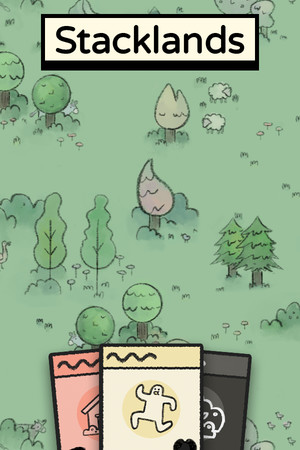
Mixes Stacklands and Slay the Spire: The game successfully mixes elements from Stacklands and Slay the Spire, appealing to fans of both genres. This combination provides a unique gameplay experience that blends card-based base building with strategic combat.
Beneficial fishing, turkeys, beehives: Specific examples of beneficial gameplay elements are highlighted, such as the fishing rod providing valuable resources and cards, obtaining wild turkeys with bait, and building beehives early for cost-effective food production. These details showcase the strategic depth and rewarding nature of the game's mechanics.
Common complaints
Lacks content, replayability, depth: The game suffers from a lack of content, replayability, and strategic depth, especially when compared to similar titles like 'Stacklands'. The gameplay loop becomes repetitive quickly due to the linear progression, limited build variety, and short playtime, making the price feel too high for the amount of content offered.
Clunky UI and card management: The game's UI and card management are clunky and inefficient, lacking essential features like keyboard shortcuts, smart casting, and a card compendium. Players must manually sort through numerous cards, which becomes tedious and frustrating, especially during urgent situations. The game also suffers from bugs that further hinder the player experience.
Demanding, unpredictable resource requirements: The game's difficulty stems from demanding and unpredictable resource requirements, particularly food offerings to the gods. The tribute system and severe death penalty can lead to frustrating setbacks, making village growth feel unsustainable and the overall experience tiring. The game's mechanics restrict the player and guide them through the game, which can be frustrating.
Balance issues and bugs: The game suffers from balance issues and bugs, including crashes and resource loss, which detract from the overall player experience.
Highly linear, restrictive gameplay: The game's structure is highly linear, requiring players to follow a strict task flow with limited customization options. This lack of freedom and the time-sensitive nature of tasks can add unwanted pressure to the experience.
Gameplay and performance
Combines deckbuilding, resource management, combat: The game uniquely blends deck-building roguelike combat with resource management and village construction, drawing inspiration from games like Stacklands and Slay the Spire. Players balance resource gathering, village expansion, and defense against threats, creating production chains and equipping villagers to enhance combat effectiveness. However, the card combat is not very deep and serves more as a temporary relief from resource management.
Tech tree drives progression: The game features a tech tree unlocked through tasks and sacrifices, which allows players to construct advanced buildings and tools. Blueprints are required for construction and are inherited after death, driving technological progression and tribe development. Tower climbing unlocks chests with new cards and weapon blueprints.
Lacks automation, card storage: The game lacks automation and card storage features, which may impact the player experience. The absence of an endless mode may limit replayability for some players.
Card exchange enables resource accumulation: Cards can be exchanged for Evil Blood, which is used to buy card packs. Card packs generally provide more Cursed Blood than they cost, allowing for positive resource accumulation.
Food preparation lacks depth: Food is difficult to turn into delicacies, leading to mostly eating it raw in the later stages. This suggests an imbalance or lack of depth in the food preparation and resource management aspects of the game.
Technical issues impact gameplay: Several technical issues detract from the experience. These include inconsistent game speed after pausing, UI bugs that can halt progress, and minor quality of life problems like card stacking errors. Addressing these would improve overall polish.
Recommendations
Good for fans of similar games: The game is recommended for players who enjoy strategic resource management, survival gameplay, and card games like Stacklands or Slay the Spire. However, some reviewers feel it lacks originality and may not be worth the full price without further content updates.
Concerns about price and value: Several reviewers express concerns about the game's value proposition, with some feeling it's overpriced for the content offered. Others find it worthwhile, especially on sale, citing a reasonable amount of entertainment for the cost. A few reviewers are considering refunds if the game doesn't improve quickly.
Needs improvements to game mechanics: Reviewers suggest improvements to user convenience, resource acquisition, card management, and level design. They wish the game was less frustrating and provided more breathing room between cycles, and suggest adding more manual save slots due to the severity of the death penalty.
Awaiting future content updates: Some reviewers feel the game is currently unfinished and are awaiting future content updates to add more depth and replayability. They express hope that the developers will continue to improve and expand the game.
Successful game: One reviewer states that Kaya's Prophecy is a successful game. This point is a general statement without specific details, reducing its importance.
Other review notes
Helpful gameplay tips provided: The reviewer offers specific gameplay tips covering various aspects such as navigating the abyss, using bait for turkeys, managing card packs, developing characters, utilizing food resources, and understanding villager requirements. This indicates a depth of gameplay mechanics that players may need guidance on.
Story: Rebuild village, appease god: The game features a story where the protagonist accidentally unleashes an ancient god, resulting in their village's destruction. The main objective then becomes rebuilding the village and appeasing the god to prevent further catastrophe, providing a clear narrative drive for the player.