- Fun, addictive gameplay with charming art style.
- Rewarding character death adds to the experience.
- Tedious base-building lacks depth and inspiration.
- Unbalanced resources severely hinder game progression.
- Game plagued with bugs and poor UI.
- Story is slow and disruptive to gameplay.
What players like:
Common complaints:
Gameplay feedback:
Performance notes:
Recommendations:
Other player notes:
Similar games
Blend with other games



Review evidence
Why players say this
Review evidence
Why players say this
What players like
Fun and addictive gameplay: The game is consistently described as fun, enjoyable, and addictive. Reviewers highlight the engaging gameplay loop, strategic elements, and satisfying progression as key factors contributing to this positive experience.
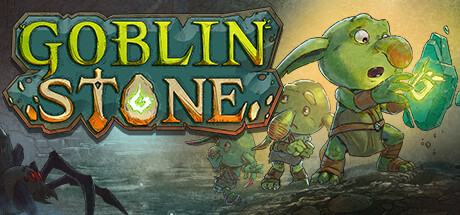
Charming and high-quality art: The game's art style is frequently praised for its cuteness, charm, and overall high quality. Many reviewers specifically appreciate the character and environment designs, noting their visual appeal and how they enhance the game's atmosphere.
Rewarding character death mechanic: The game features a unique system where losing characters is not entirely detrimental. Players gain resources and progression even when goblins die, and replacements are readily available, making character death a strategic element rather than a setback.
Active and responsive developers: The developers are actively addressing bugs and progression issues based on community feedback. This responsiveness is seen as a positive sign, improving the overall player experience and demonstrating a commitment to the game's quality.
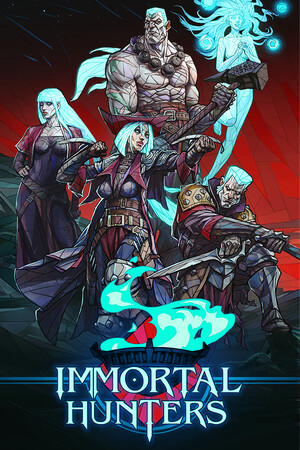
Similar to Darkest Dungeon, less frustrating: The game is compared favorably to Darkest Dungeon and XCOM, with reviewers noting similar rogue-like elements and turn-based combat. However, it is also praised for being less frustrating and grindy than Darkest Dungeon.
Common complaints
Game plagued with bugs: Numerous bugs plague the game, ranging from minor visual glitches and UI issues to game-breaking crashes, softlocks, progress loss, and quest progression blockers. Many reviewers reported that the game is unplayable due to these bugs, and some have requested refunds.
Lacks meaningful progression/depth: The game suffers from a lack of meaningful progression and depth. Reviewers noted repetitive gameplay loops, a reliance on temporary upgrades, limited character growth, unrewarding loot, and a grindy nature that quickly becomes tedious. Many felt there was little sense of accomplishment.
Tedious and uninspired base-building: Base building is tedious, uninspired, and buggy, requiring excessive resources and offering limited depth or interactivity. Reviewers found the UI clunky and the upgrades uninteresting, making it feel like a pointless clicking activity.
Unbalanced, scarce resources hinder progression: Resource scarcity, particularly wood and fiber, creates an unbalanced economy and hinders progression. This forces players to grind old missions repetitively, exacerbating the tedium.
Poorly designed, messy UI: The user interface is poorly designed, messy, and unintuitive, with annoying animations that cannot be disabled. This slows down menu navigation and adds to player frustration.
Gameplay and performance
Breeding-focused goblin management loop: The core gameplay loop revolves around breeding goblins with specific traits and stats, assigning them classes, and sending them on adventures. Players retire or sacrifice goblins to gain souls for upgrades, creating a cycle of goblin management. However, the breeding system's potential is limited by story progression and some traits feel inconsequential.
Simple but functional turn-based combat: Combat is turn-based, with a timeline indicating turn order and easily recognizable status icons. Goblins have limited skills based on their class, and team composition is important. The combat mechanics are simple but functional.
Repetitive combat, similar enemy types: Players experience the game from the perspective of goblins, who are traditionally seen as monsters. However, battles can become repetitive due to similar enemy types that don't require significantly different strategies.
Exploration rewards are temporary: Exploration involves moving through areas to find resources, but temporary buffs and equipment acquired during exploration are lost upon returning to the base. Permanent upgrades primarily come from base building, making resource markers more valuable than event options.
Inconsistent ambush/initiative mechanic: Attacking enemies from behind should grant initiative, but this mechanic is inconsistent and may be bugged. This makes strategic positioning less reliable.
Poor optimization and pacing: The game's optimization is poor, leading to rapid battery drain on laptops, which is unusual for a turn-based game. Additionally, the lack of adjustable battle speed and lengthy animations contribute to a slower pace of play, impacting the overall user experience.
Recommendations
Game feels unfinished/rushed: Several reviewers feel the game was released prematurely. They suggest it needed more polish, content, or should have been launched as early access. This impacts the overall player experience and perception of value.
Optimization is needed: Some reviewers mention the need for further optimization. This suggests performance issues that detract from the gameplay experience, even if the core mechanics are appealing.
Similar to Darkest Dungeon/Slay the Spire: The game is favorably compared to titles like "Darkest Dungeon" and "Slay the Spire." This suggests a similar gameplay style or thematic elements that appeal to fans of those games.
Lacks RNG/customization: One reviewer specifically dislikes the lack of RNG and limited goblin improvement. This suggests a preference for games with more randomness and character customization.
Play other similar games: Reviewers suggest playing other similar games instead. This implies that the game does not offer a unique or compelling experience compared to existing alternatives.
Other review notes
Game improved after patches: The game initially had significant issues, prompting some players to wait for patches before playing. After update 1.1, most issues were resolved, with only minor glitches remaining that could often be fixed by restarting the game. This indicates a positive trend in the game's stability and playability.
Developer addressed player feedback: The developer actively responded to feedback and discussed fixes for reported issues. This suggests a commitment to improving the game based on player input, which can positively influence the player experience and perception of the game's quality.
French translation is desired: A reviewer mentioned that a French text translation would significantly improve their experience. This suggests that localization is important for some players and could broaden the game's appeal to non-English speaking audiences.
Development status is uncertain: There is a concern that the game may no longer be in active development. This could deter potential players who are looking for ongoing support and updates.
Developer's first Steam game: The reviewer mentioned that this is the developer's first game on Steam. This information provides context about the developer's experience level and may influence player expectations.